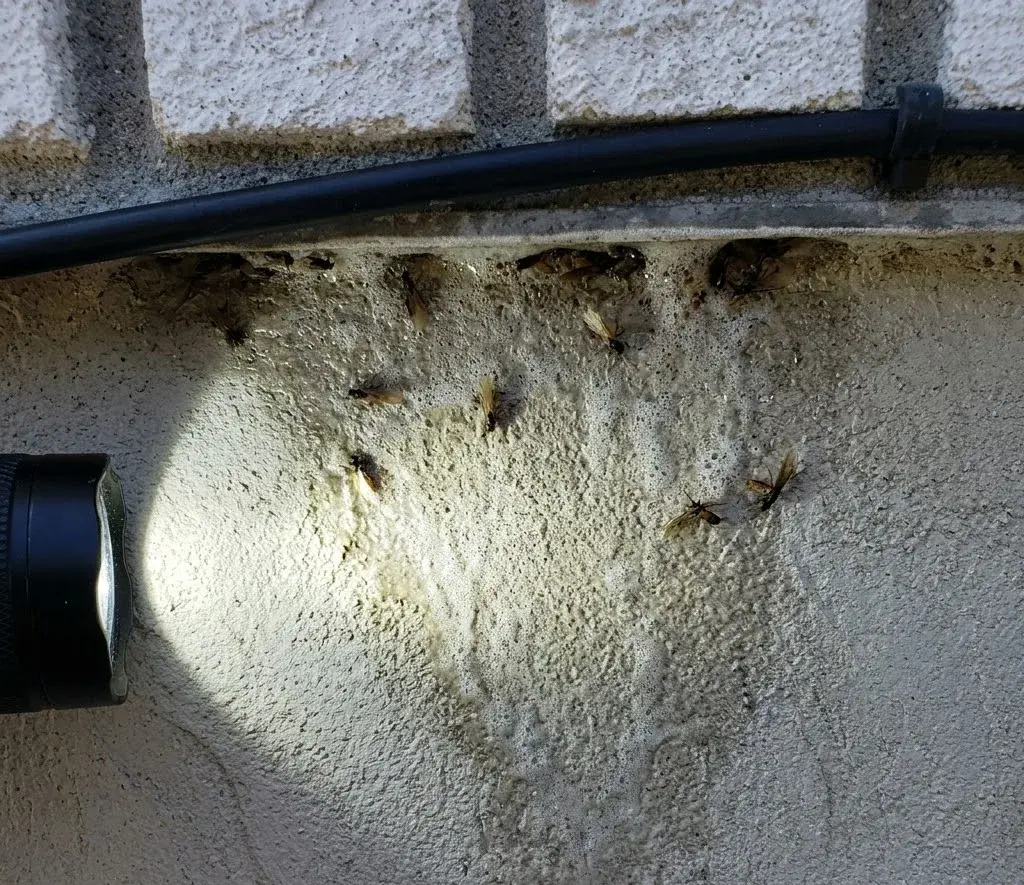
Termite Control
February through October, three species behaving differently, and a contract whose renewal fee matters more than its headline…
Learn about Termite ControlTwenty miles down US 319 the ground changes completely. Sand drains in minutes on top and holds water below, and the housing runs from new slab to homes set on piers, so no two inspections begin the same way.
Crawfordville sits on flat sandy ground well south of the Red Hills, and the change in soil between here and north Leon County is bigger than twenty miles suggests. The clay ends and the flatwoods begin, so water moves through the surface quickly and then meets a water table that is close enough to keep the ground below permanently damp. That combination is close to ideal for subterranean termites, which is why treatment intervals and inspection habits here should not be copied from a Tallahassee address. Mosquito pressure is heavy for the same reason, with roadside ditches, borrow pits, cypress heads and low corners holding water for weeks after a wet spell. Fire ants take every open sunny yard and every septic mound. Much of the housing is later than in town, a lot of it slab and a good deal of it manufactured or modular set on piers, and pier-set homes bring their own list: skirting that traps damp, an unsealed underside, and a straightforward route for rodents and armadillos. The Apalachicola National Forest starts a short way west, so wildlife calls are a steady part of the work rather than an occasional one.
Mild winters and long humid stretches let ants, roaches and termites stay active around Crawfordville for most of the year.
Crawfordville is mostly 1990s onward slab build alongside older frame houses and a large share of manufactured homes on piers, and the two build types fail in opposite directions. Under a raised floor the problem is damp and whatever is living in it. On a slab it is the joint, the penetration and the weep hole, none of which shows from inside the house.
Ground near Wakulla River, Lost Creek and roadside ditches along US 319 holds moisture long after the rain has gone. Damp sitting against a foundation is the strongest single predictor of subterranean termites and moisture pests here, which is why a meter reading is worth more than a guess before anything gets treated.
Sandy flatwoods over a high water table, so the surface dries fast and the ground underneath stays wet, which keeps termites active every month of the year. Cold snaps here are brief, so activity around Crawfordville slows through winter but rarely stops, then picks up again the moment spring warms the ground.
Home size, foundation type, and whether termites are involved all move the price up or down around Crawfordville.
| Service | Estimated cost |
|---|---|
| Termite Control | an estimated $425–$1350 |
| Mosquito and Tick Control | an estimated $69–$139 |
| Fire Ant Treatment | an estimated $89–$229 |
| Wildlife Removal | an estimated $175–$525 |
A very large block of public land immediately west. Wildlife moves off it onto the properties along that edge steadily rather than seasonally, so exclusion matters more here than trapping alone.
The spring system underneath this ground is the reason the water table sits so high. It is also why anything applied here deserves more care about runoff than the same job would in town.
February through October, three species behaving differently, and a contract whose renewal fee matters more than its headline…
Learn about Termite Control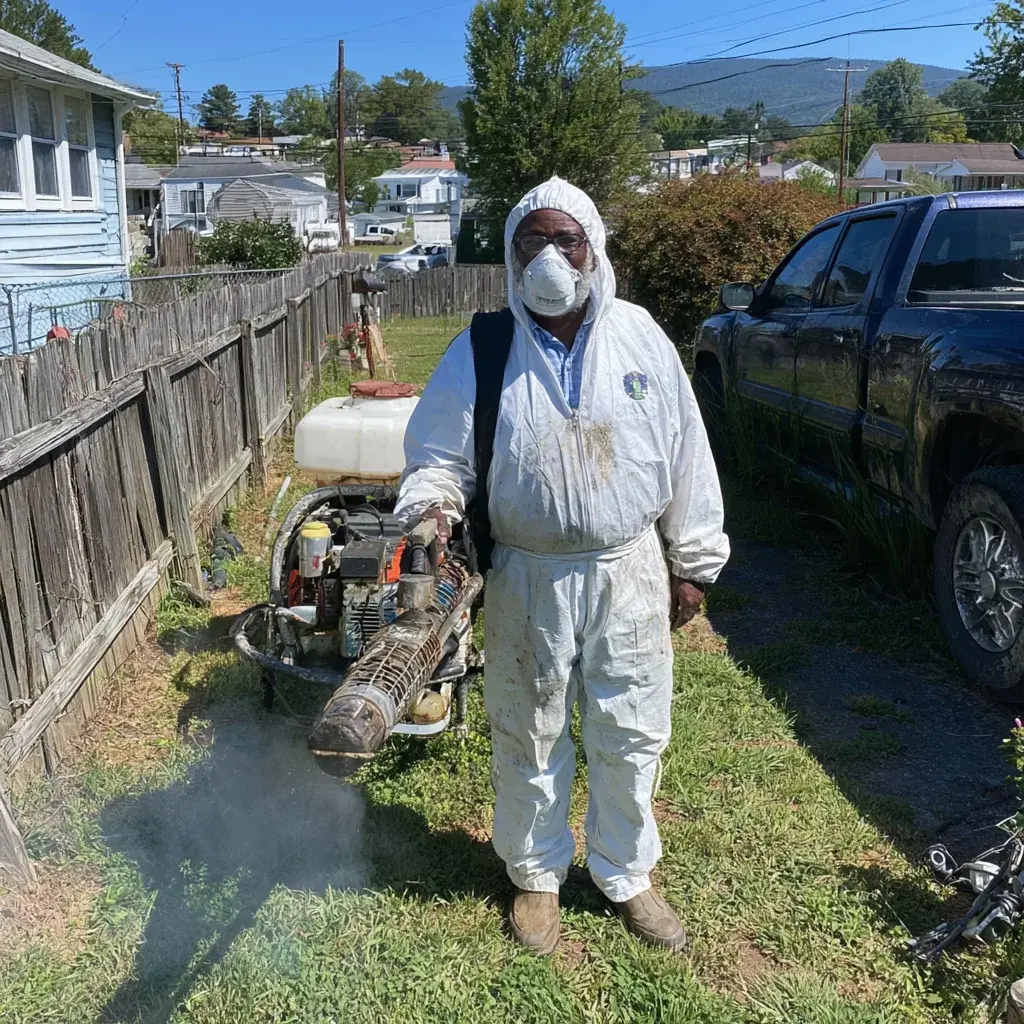
They spend the day in shade, not in your lawn. Treatment goes where they rest and where the water sits.
Learn about Mosquito and Tick Control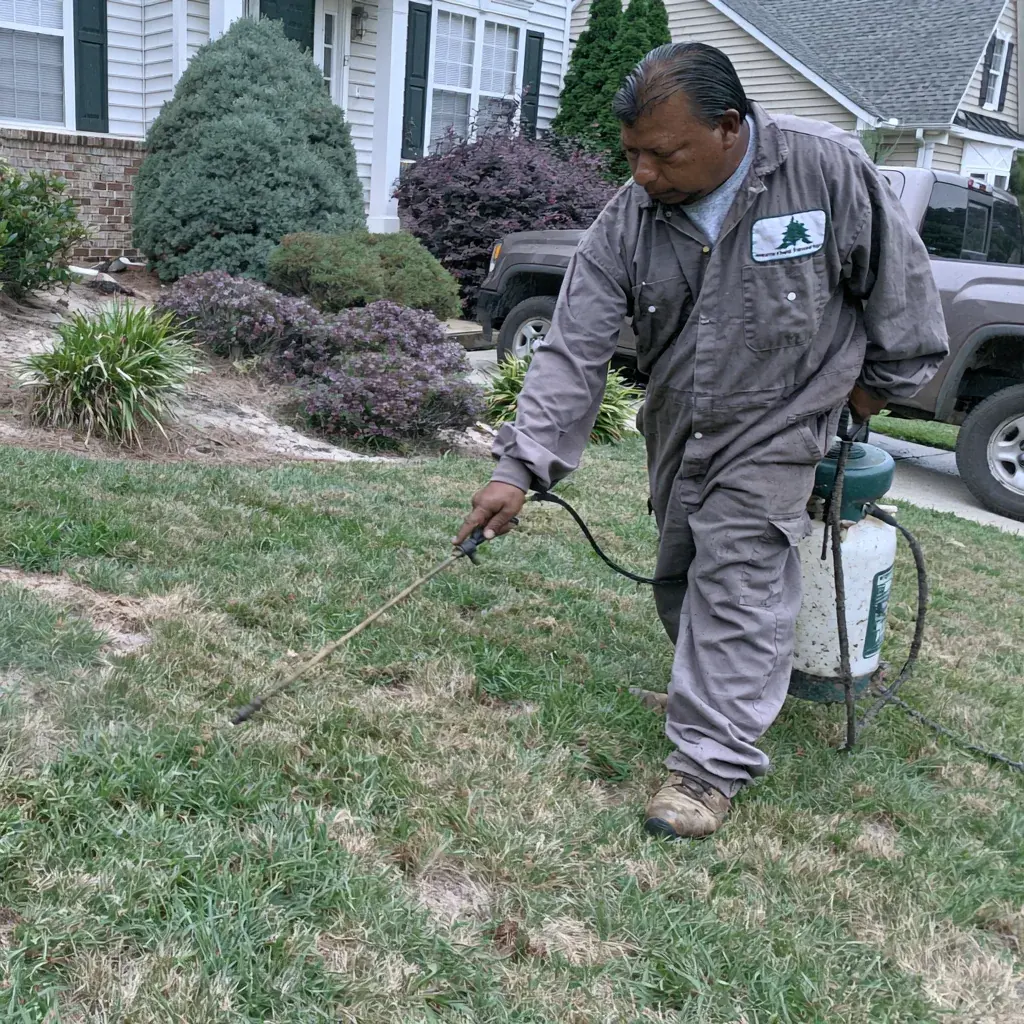
Sand drains fast, a drenched mound is back inside a week, and pouring something on top just relocates the colony a few feet over.
Learn about Fire Ant Treatment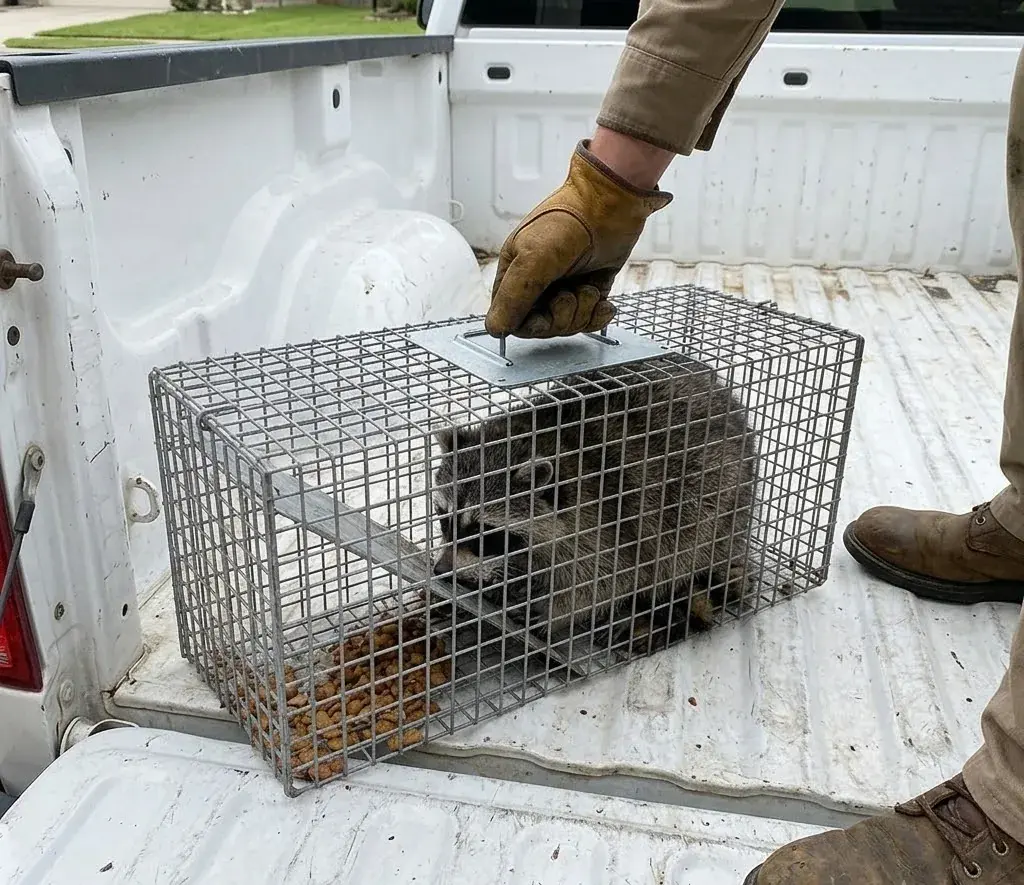
This is mostly carpentry with an animal caught in the middle, and four months a year when bats are simply non-negotiable.
Learn about Wildlife RemovalWoodville · Southwood · Quincy · Havana · Monticello · Chaires · Miccosukee · Lloyd
Yes, and it is worth understanding why rather than taking it on trust. Twenty miles north the ground is Red Hills clay, which holds water at the surface and drains slowly. Here it is flatwoods sand over a water table that is often only a few feet down. Sand lets a treated zone move and weather differently, and permanently damp soil under the slab keeps a colony working through months when a colony further north would slow. The practical result is that inspections here earn their keep more often, and a plan that was fine for a house in Killearn is not automatically right for one on Lost Creek Road.
Three things. The underside is exposed unless it has been properly closed in, so rodents, armadillos and snakes treat it as available shelter. Skirting that has no ventilation or no ground cover traps humidity against the floor structure and the insulation belly, which invites both fungus and termites. And the utility penetrations through the floor are usually the easiest way indoors for anything already underneath. The work is mostly exclusion and moisture rather than spraying, and it holds for years when it is done properly.
On your own property, a great deal. Treatment targets the shaded resting places under shrubs and low foliage plus every source of standing water you control, and container water is usually the surprise: a saucer under a pot, a tarp fold, a blocked gutter, an upturned lid, a boat cover. What it will not do is treat the ditch on the road, the cypress head behind the property or the forest. Anyone offering to clear those is selling something that does not exist.
If you can see it from the house, it changes the plan. A property backing onto the national forest gets a continuous supply of raccoons, opossums, armadillos, snakes and rodents that does not run down no matter how many are removed. On those addresses the money goes into sealing the building first, screening the vents and closing the underside, and only then into removal. Reversing that order is the most common way people spend twice.
State rules say the front page of a termite agreement has to name what it actually covers, subterranean or drywood or both. Older and newer construction sit mixed together around Crawfordville, so ask which of those yours names before you sign rather than afterwards.
Findings, photographs and an estimated range before a single product is opened, plus a straight answer on whether one visit is likely to end it.
Call (850) 388-6192