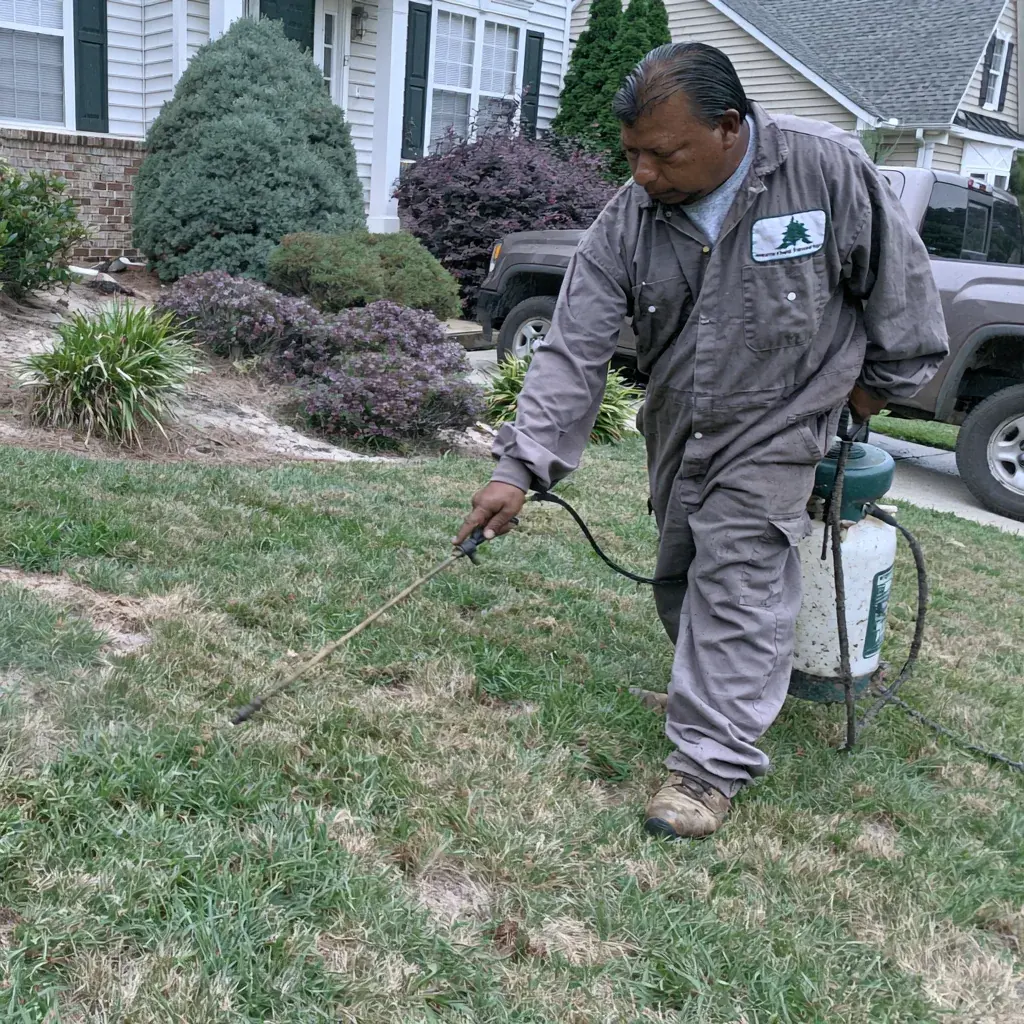
Fire Ant Treatment
Sand drains fast, a drenched mound is back inside a week, and pouring something on top just relocates the colony a few feet over.
Learn about Fire Ant TreatmentA planned neighborhood built around water that is meant to stay put. Retention ponds and swales hold right through summer, so mosquito pressure is a constant here rather than something that spikes for a week after rain.
Southwood was laid out from around 2000 on what had been plantation and pasture land, and almost all of it is slab on grade with engineered stormwater ponds threaded through the neighborhoods and along the trails. That gives it a pest profile unlike the older parts of town. There are no crawl spaces to speak of and very little mature canopy touching roofs, so the moisture and roof rat work that dominates Midtown or Betton Hills is far less of the picture. What replaces it is ground-level: fire ants, which colonise new and irrigated turf faster than almost anything else and are relentless along the greenways; mosquitoes, because a neighborhood designed around ponds and swales is a neighborhood with permanent water in it; and slab termite entry through bath traps, plumbing penetrations and expansion joints. Every house here was built under the Florida Building Code termite provisions, so there is a pretreatment on record and a notice fixed somewhere near the water heater or the panel. Reading that notice is the single most useful thing an owner can do, because it dates the protection and most people have never looked at it.
Subterranean termite swarms in this part of the Southeast follow warm, humid spring weather, roughly February through May each year.
Southwood being 2000s onward slab construction, with the newest phases still filling in changes the order of an inspection rather than what gets used. Anything with a raised floor is looked at underneath first; anything on a slab is walked around the outside first. That order is most of the difference between a job that holds and one that repeats.
Slow-draining ground around Southwood stormwater ponds, Central Park lake and Munson Slough headwaters keeps soil against a foundation saturated for days after a storm. That is when the calls come in: ants trailing a wall, a musty smell under a floor, or a first mud tube nobody had thought to look for.
Engineered ponds and swales hold water permanently, so mosquito pressure is steady through the warm months rather than tied to the last storm. Zone 9a means a true freeze is rare. Insects around Southwood keep some activity going even in January, which is why nothing here gets a season off.
Foundation type, how easily anyone can get under the floor, and which termite species turns up all move the price in Southwood.
| Service | Estimated cost |
|---|---|
| Fire Ant Treatment | an estimated $89–$229 |
| Mosquito and Tick Control | an estimated $69–$139 |
| Termite Control | an estimated $425–$1350 |
| Quarterly Pest Protection | an estimated $79–$129 |
Permanent water by design. Nobody treats the ponds, so mosquito work on backing streets is about resting harborage in the yard and any container water on the property.
Mown greenway edges beside irrigated turf are the best fire ant ground in the neighborhood, and mounds reappear there fastest after treatment.
Sand drains fast, a drenched mound is back inside a week, and pouring something on top just relocates the colony a few feet over.
Learn about Fire Ant Treatment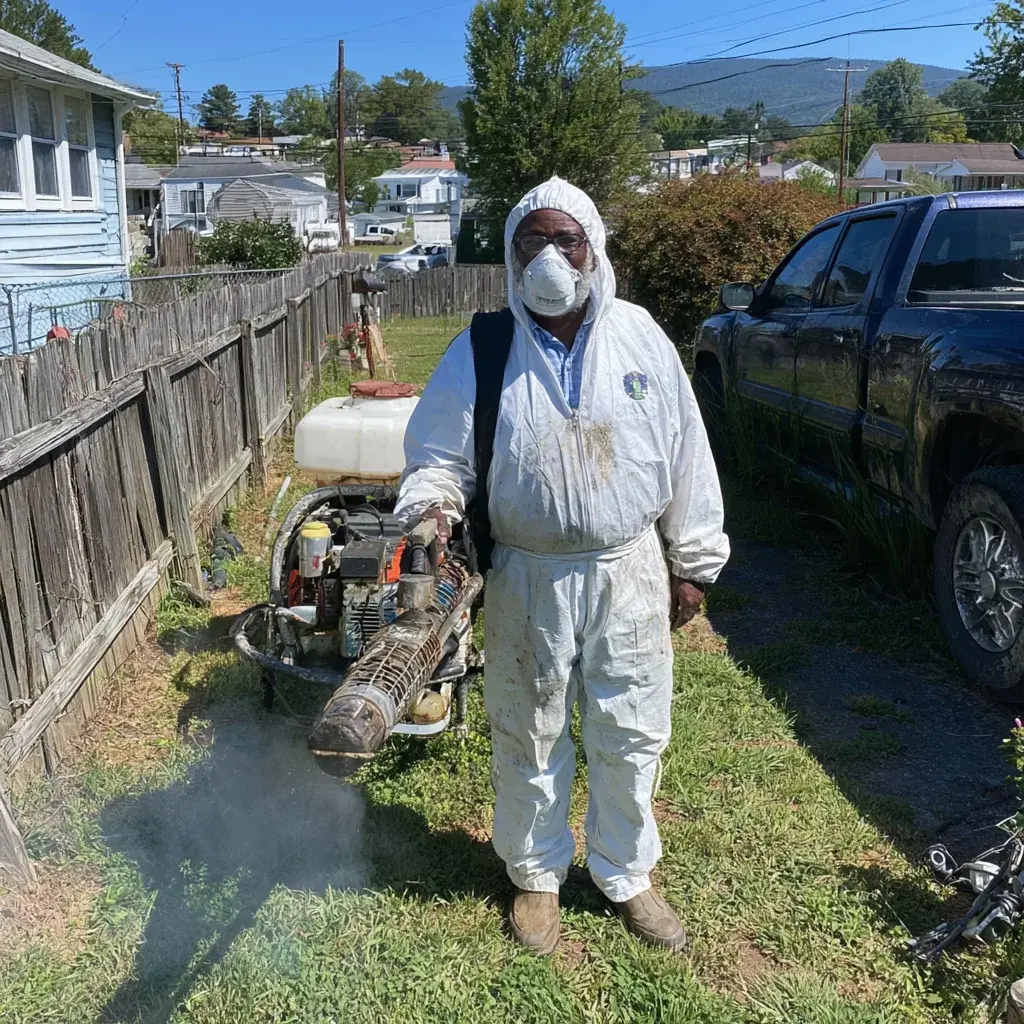
They spend the day in shade, not in your lawn. Treatment goes where they rest and where the water sits.
Learn about Mosquito and Tick Control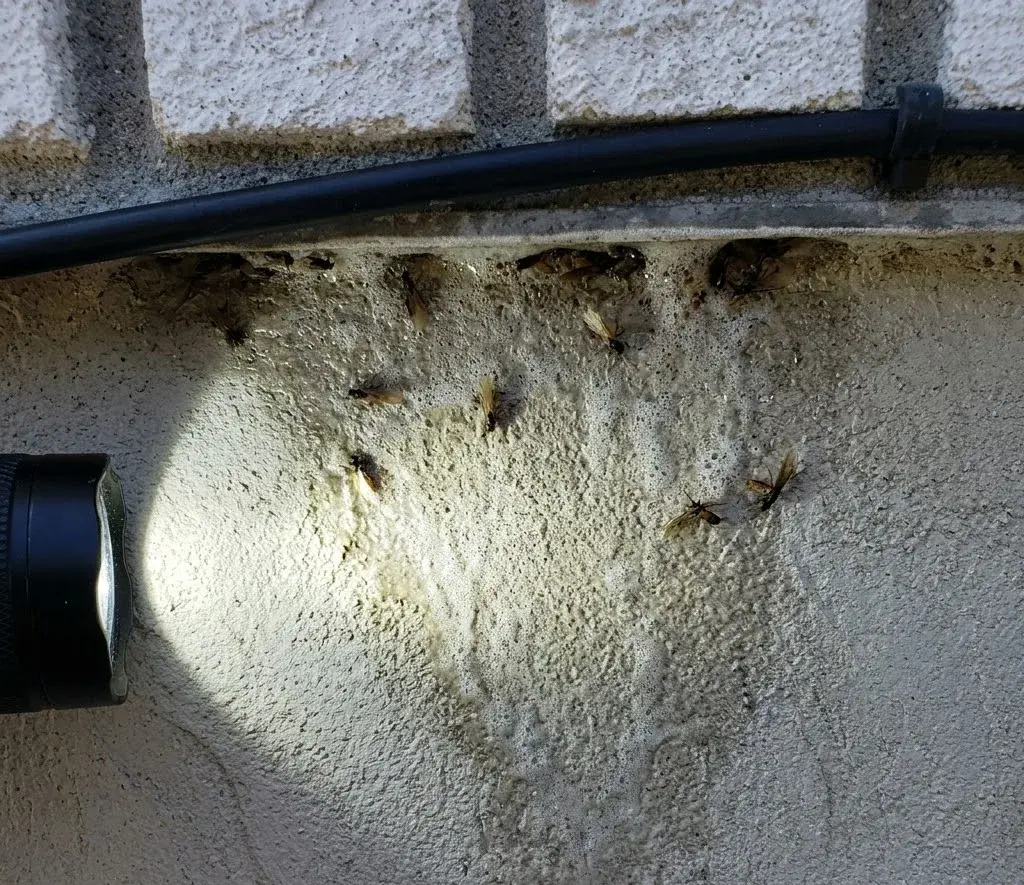
February through October, three species behaving differently, and a contract whose renewal fee matters more than its headline…
Learn about Termite Control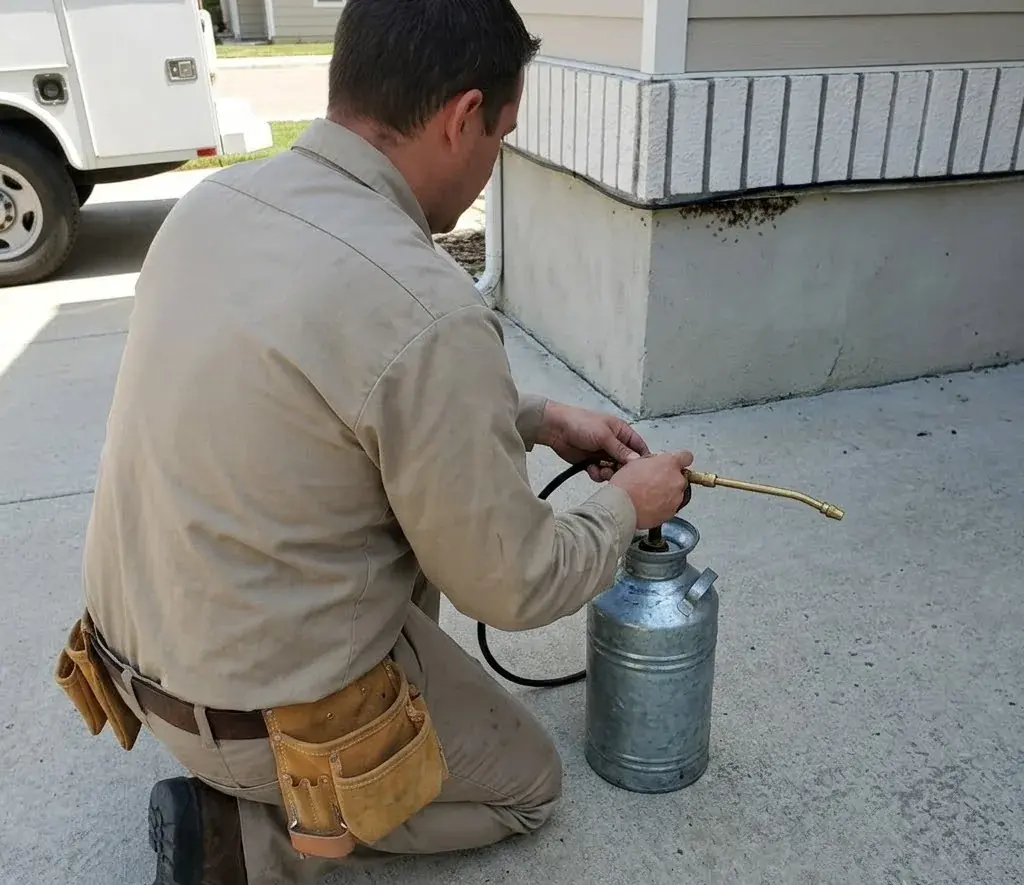
Sixty inches of rain a year, a south wall standing in full sun, and a season that never really closes.
Learn about Quarterly Pest ProtectionKillearn Estates · Bradfordville · Midtown · Crawfordville · Lake Jackson · Woodville · Quincy · Havana
It is a start with a date on it. Florida's building code requires termite protection for new construction, the pest control company issues a certificate of compliance to the building department, and a durable notice has to be fixed near the water heater or the electric panel naming who treated the house and when. Go and read yours. A soil pretreatment does not last forever, the warranty attached to it usually runs for a defined period rather than for the life of the house, and once it lapses the house is protected by whatever you arrange next, which on many Southwood addresses is nothing.
Treating mounds one at a time is why. Knocking down a visible mound kills that mound and leaves the rest of the population, including any colony that simply relocates a few feet and throws up a new one. What works on a whole yard is a broadcast bait taken back to the queens across the property, timed when the ants are actively foraging, followed by individual mound treatment for anything that persists. On a lot backing a greenway, expect reinvasion from the common ground and plan for a repeat rather than a cure.
Less than an older house needs, and not none. What actually turns up here is ants of several kinds indoors, the occasional large roach in from the mulch, wasps under the eaves and in the meter box, and fire ants outside. A slab on new fill also settles, and a hairline separation at an expansion joint or a shifted bath trap is a direct soil-to-wood route that shows nothing on the outside wall. A yearly termite inspection plus something modest on the perimeter is the honest version of what this housing stock needs.
On the property, yes, and about the ponds, no. The ponds are permanent by design and are common ground, so treatment concentrates on the shaded undersides of your own shrubs where adults rest through the day and on removing water you control: pot saucers, blocked gutters, tarp folds, toy buckets, a boat or trailer cover. Expect the yard you use to improve noticeably and the pond edge not to change at all.
The eastern copperhead turns up in this part of north Florida in a way it does not through most of the state. Anyone with a wooded lot around Southwood has a reason to ask about snake activity that a homeowner further south simply does not, so it is worth raising when you book.
Not a call center working from a script. Somebody who knows how the houses about 7 miles southeast of downtown Tallahassee off Capital Circle SE are put together and what gets into them.
Call (850) 388-6192