Pest Directory
Common Pests in Tallahassee, FL
The pests that actually turn up in Leon County, what each one is telling you about the building, and what genuinely gets rid of it rather than moving it along.
The Inspection Report
Every entry below gets its own full page, written around Leon County houses rather than the country in general -- the physical traits separating it from its look-alike, the earliest signs, why it is targeting a building built the way buildings are built here, and what actually dealing with it involves. Estimated price bands live on the pricing guide.
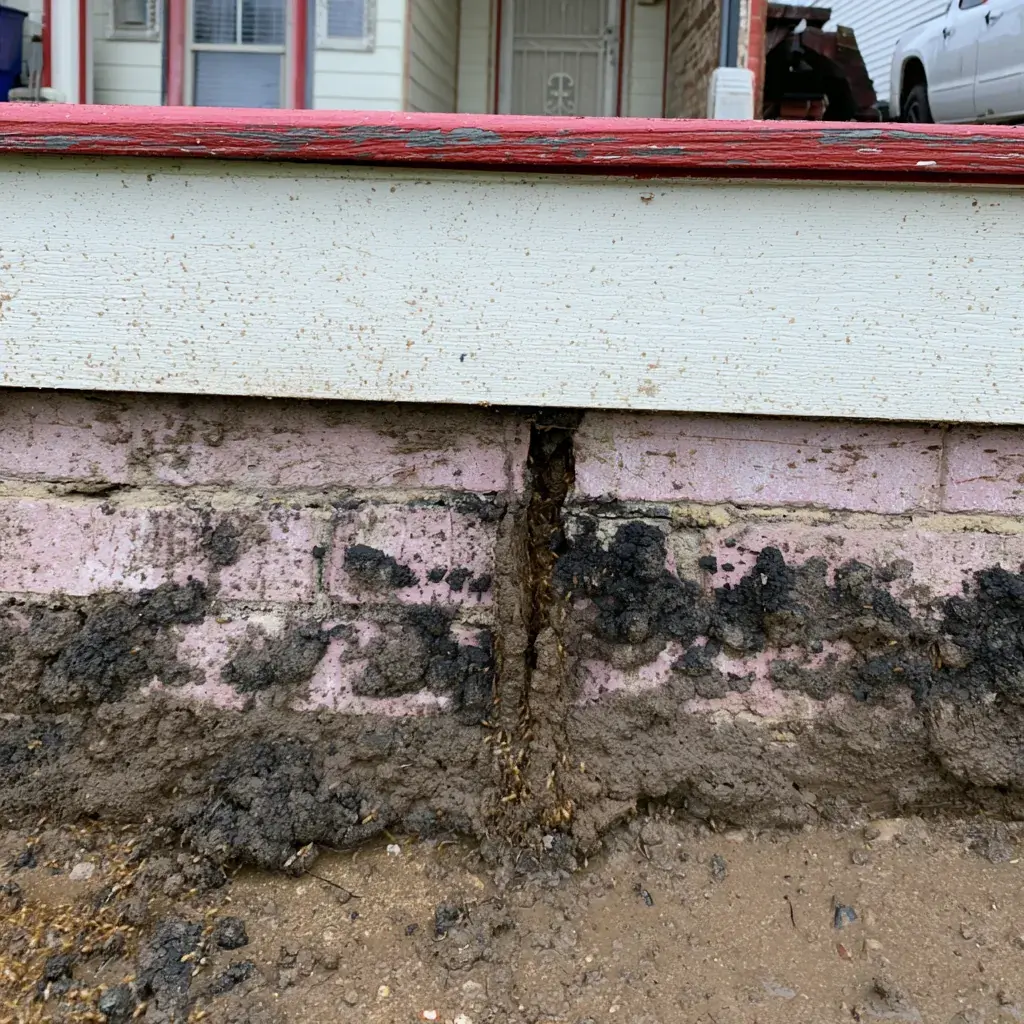
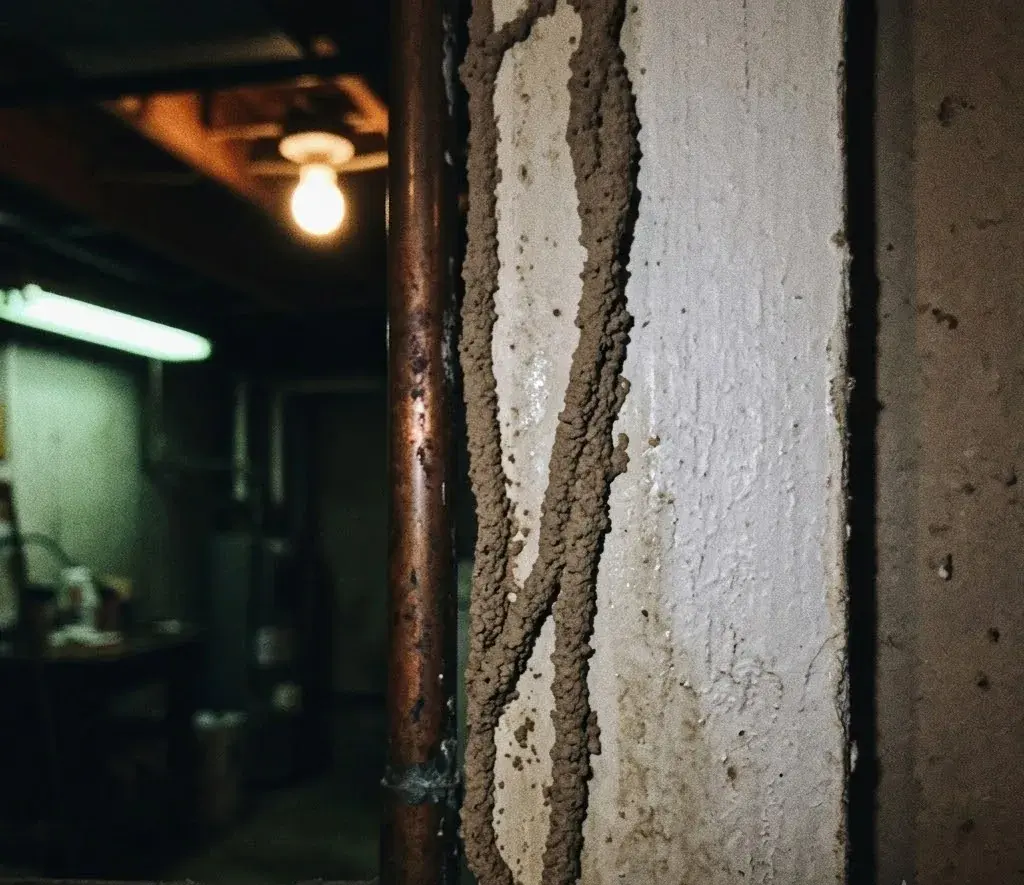
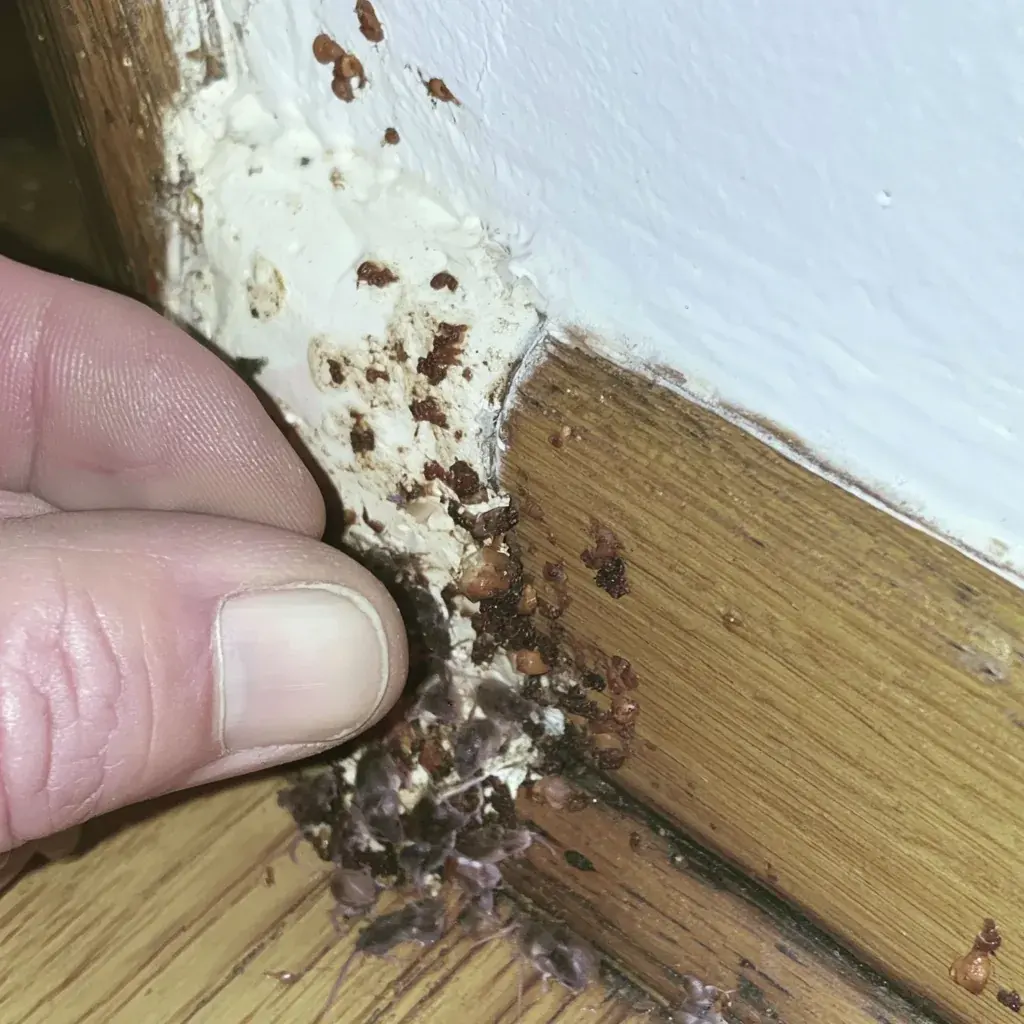
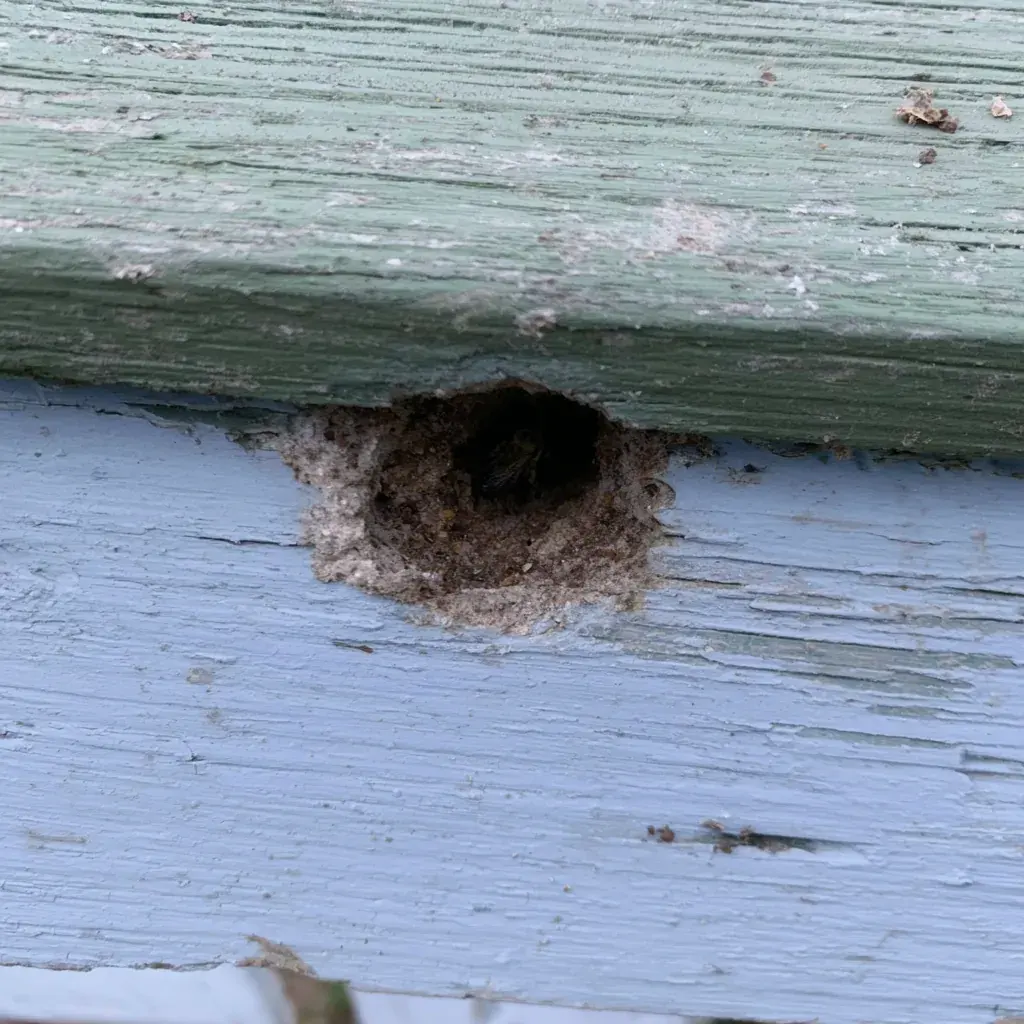
Clay soil under Betton Hills and Midtown holds rain against foundations for days, which keeps subterranean termites fed near pier-and-beam crawl spaces. Newer slabs out toward Killearn Estates and Bradfordville face the same termite pressure plus roof rats and wasps drawn from the tree line. Near Florida State and Florida A&M, bed bugs track student move-ins instead of weather.
Second, this list was written specifically for this county, deliberately. Most advice found elsewhere assumes a hard freeze resets everything come winter. Here the reset is only partial: the yard genuinely quiets down for a few weeks, but the swarm window reopens in late winter, a crawl space stays damp the whole time, and the ground is sand that drains fast on the surface while holding moisture underneath. Advice written for somewhere with a real winter quietly gets the timing wrong for here.
Wood destroying insects
Ants and lawn pests
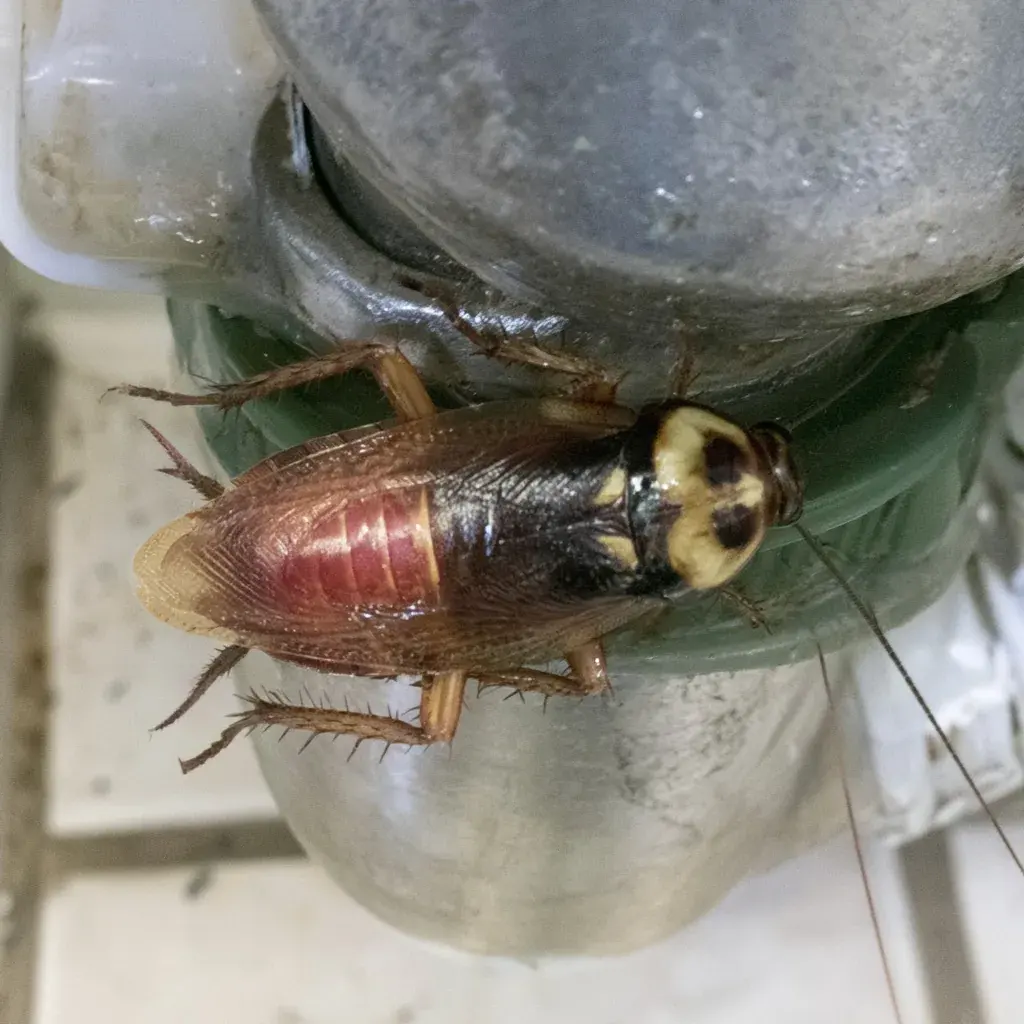
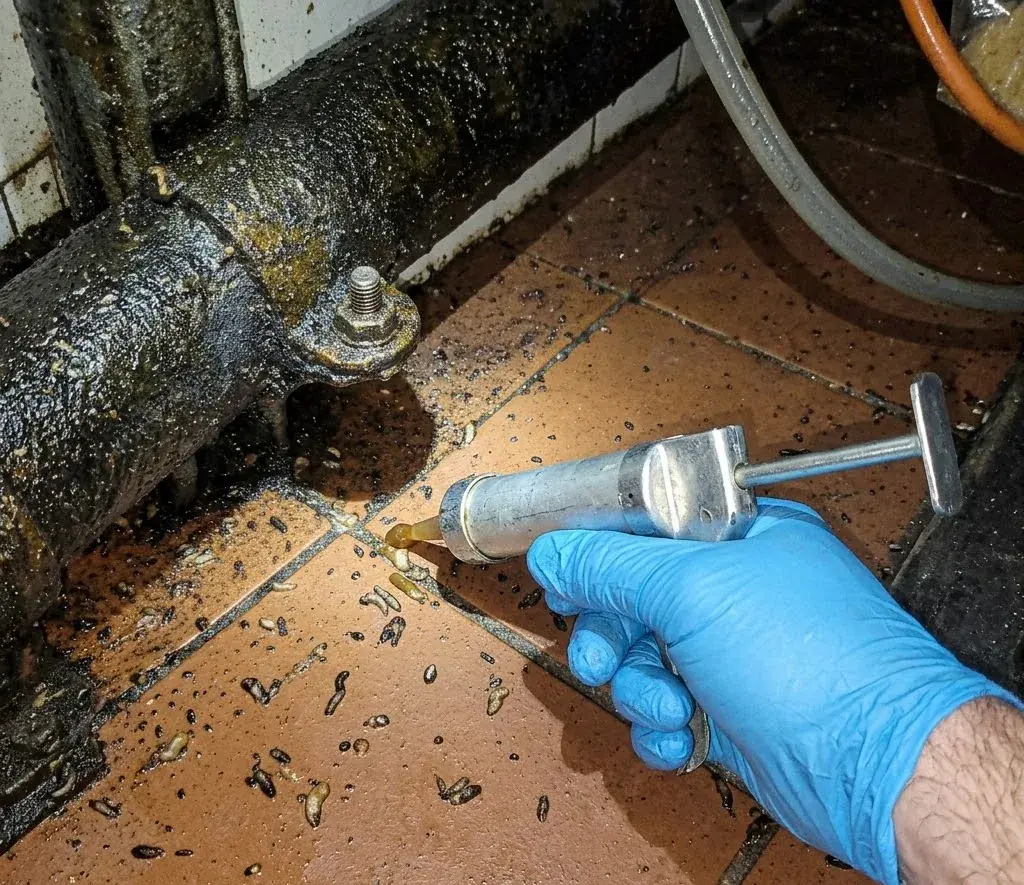
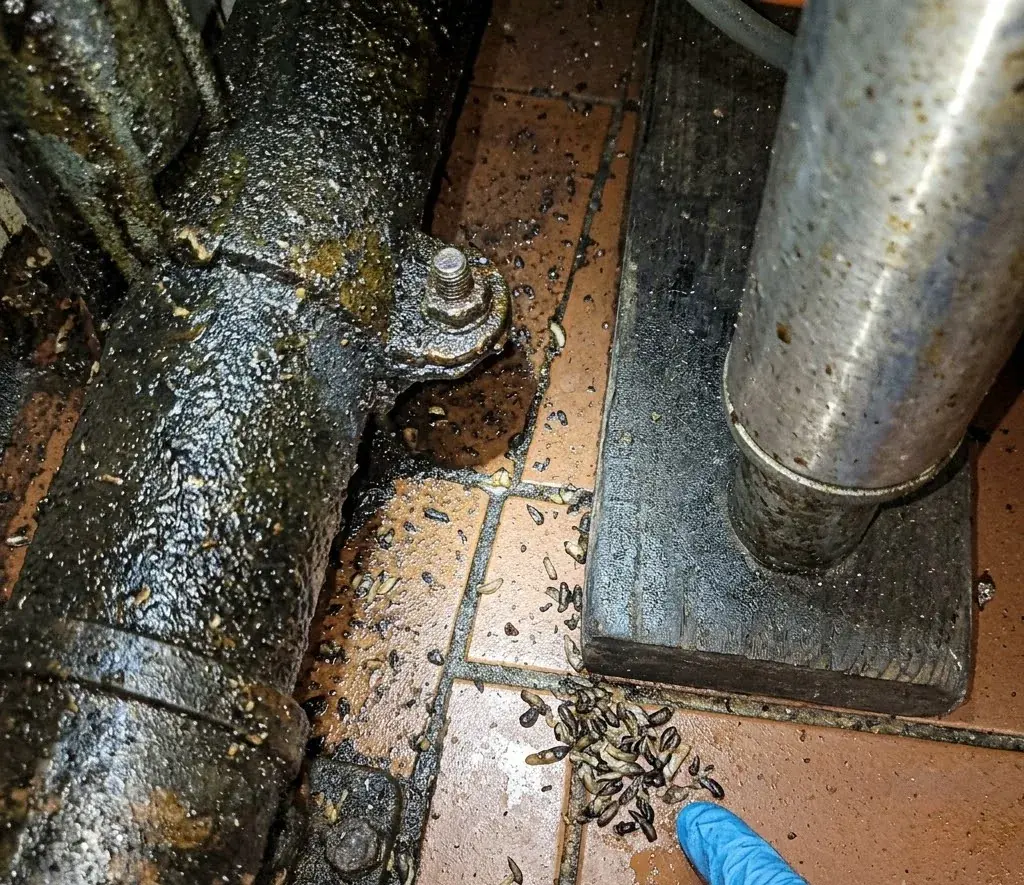
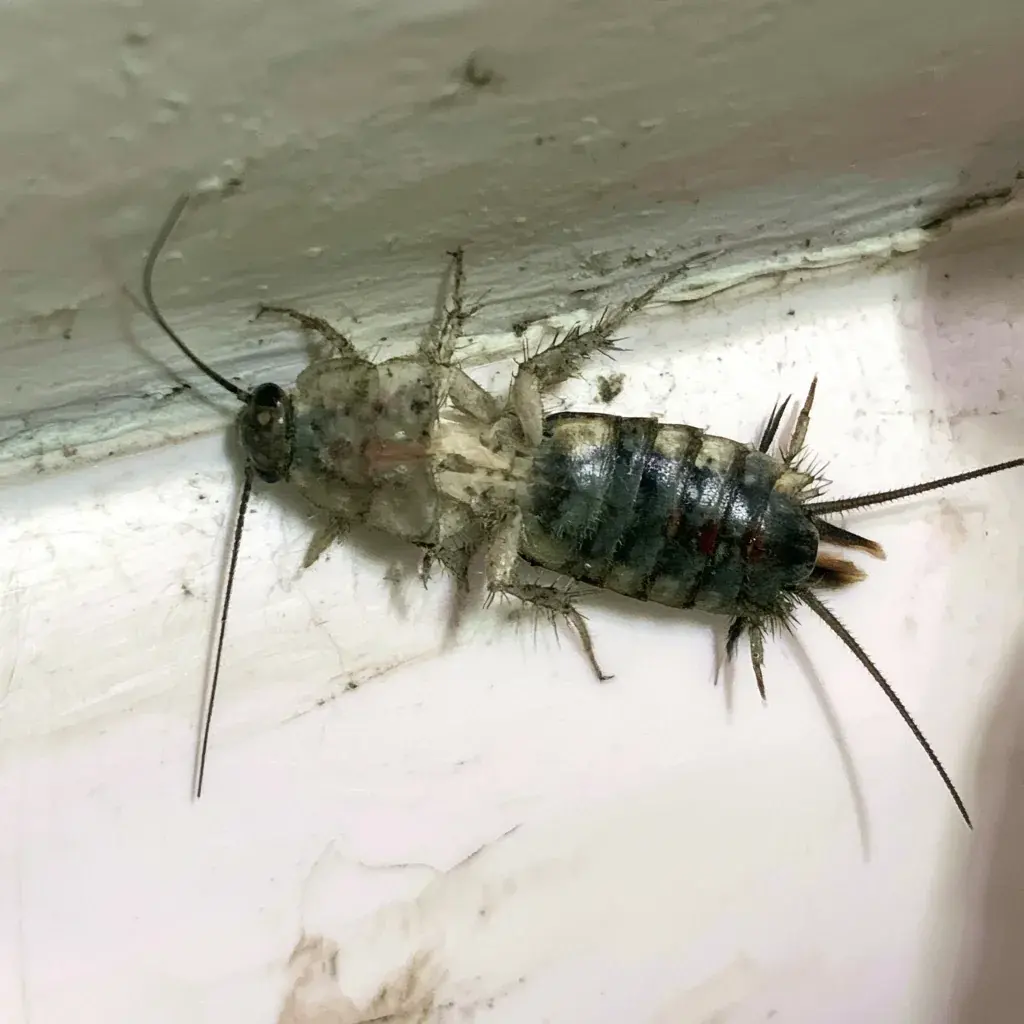
Cockroaches and crawling insects
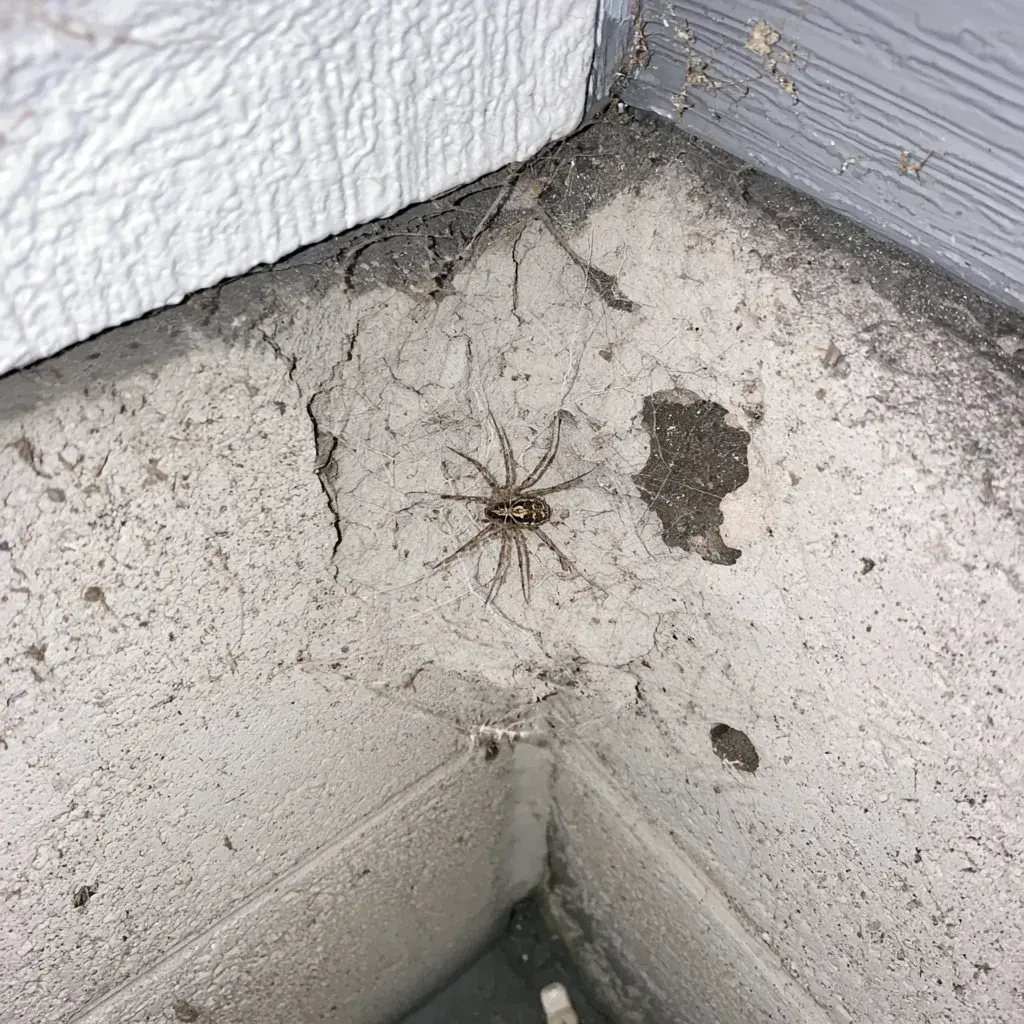
Biting and stinging
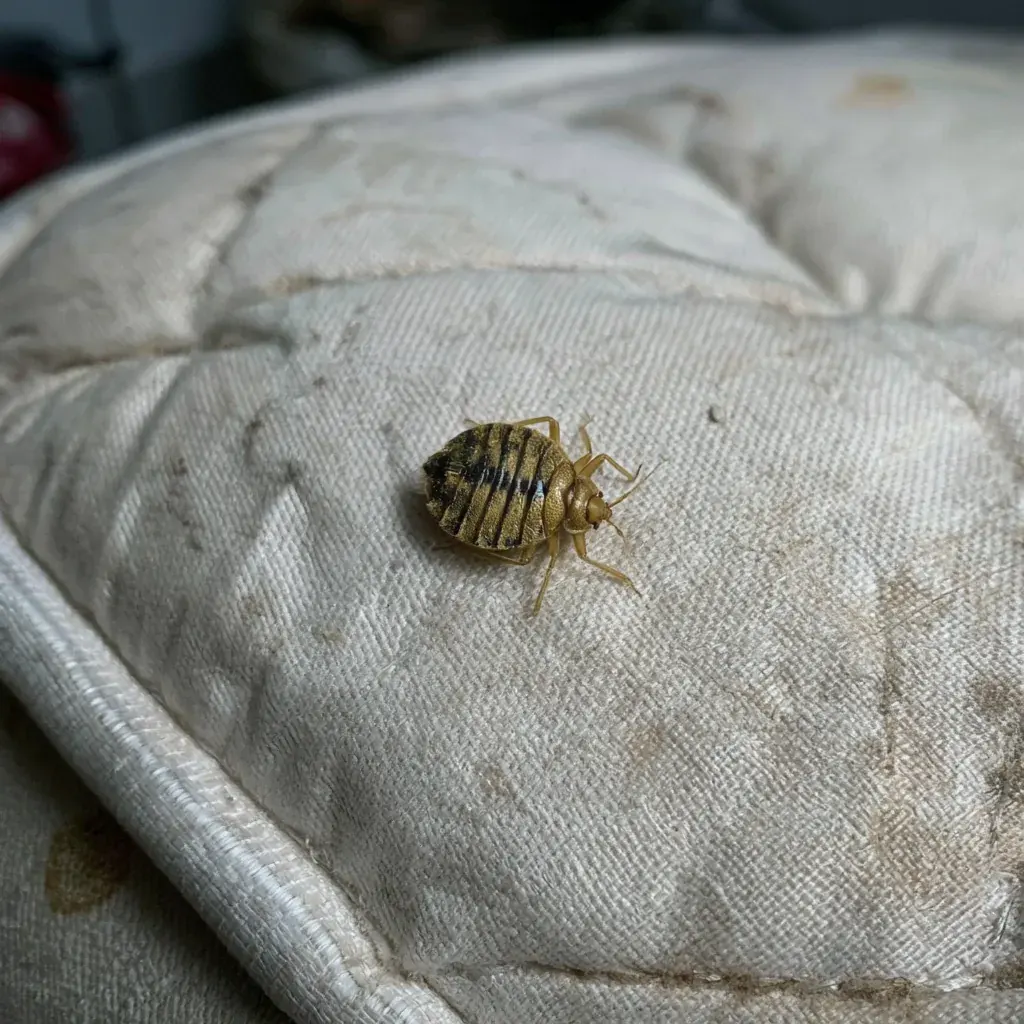
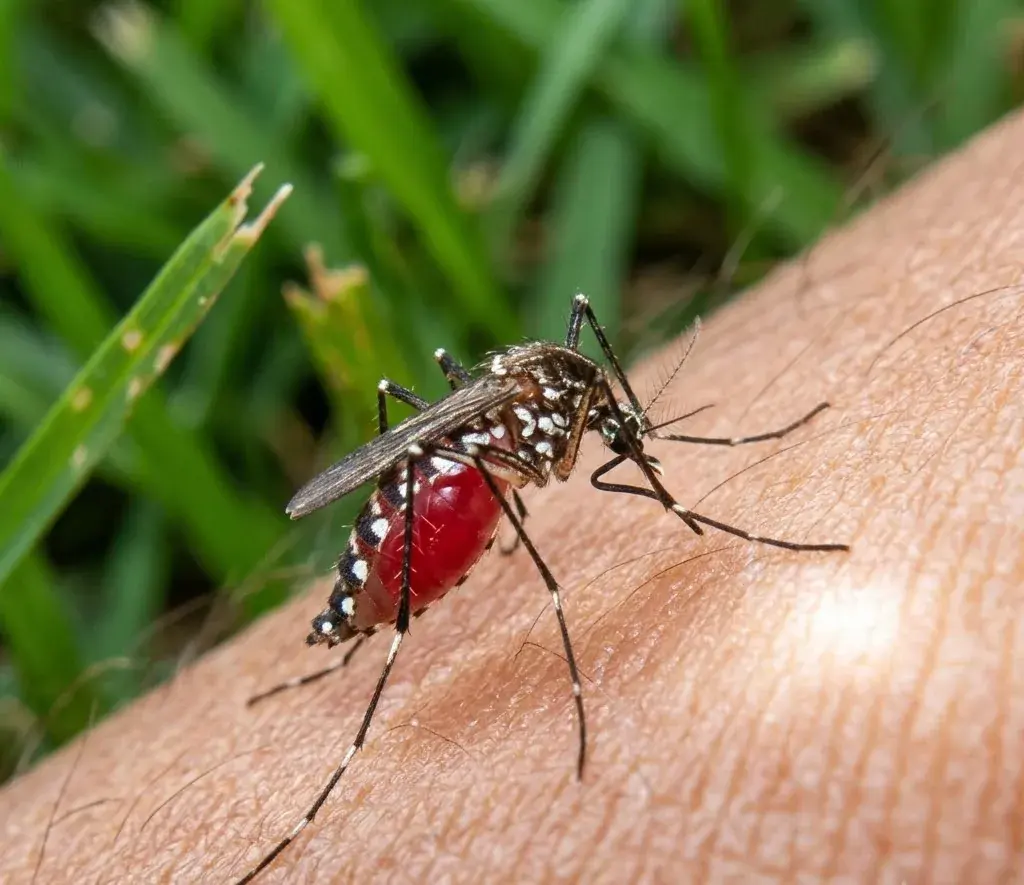
Rodents and flying insects
Questions & Answers
Frequently Asked Questions
How long is the season here, really?
Much longer than most national advice assumes, though there's one genuinely quiet stretch. Subterranean termites here swarm from late winter into September or October, in daylight, usually on a warm day right after rain, so both February and August sightings are perfectly ordinary. Fire ant mounds stay active from spring until the first real cold snap, rebuilding within days of any downpour. American and smokybrown roaches move indoors the moment the ground saturates. Then December through February quiets down outdoors, and the calls shift inside toward rodents and camel crickets. So it's a lull, not a full stop, which is exactly why each of these gets its own page -- there's no single week you can point to and call it done.
I do not know what I am looking at. Where do I start?
Start from what you actually found rather than guessing at a name. A photograph, a shed wing pulled off a windowsill, or even just which floor of the house it turned up on narrows things down faster than any spoken description could. The symptom page works the same way in reverse, running from the thing you noticed straight to the likely cause. Misidentification is the usual reason a treatment goes nowhere, and having someone take a look costs nothing either way.
Why is the gap between these prices so wide?
It comes down to the actual amount of work, not different hourly rates. A perimeter treatment for ants is an afternoon's job. Termite protection gets measured in linear feet of footing and comes attached to an agreement running year after year. Bed bugs demand preparation, room by room, plus either heat treatment or repeat visits. Anything under a floor or in a roof space means someone in a coverall with a light and considerable patience. The pricing guide lays out those bands plainly so the gap stays visible instead of getting averaged away.
Does the housing stock change which of these I get?
Noticeably, and it is the question almost nobody thinks to ask. Leon County splits roughly evenly between slab-on-grade and raised floors over a crawl space, and each fails in its own place. Over a crawl space you get damp framing, camel crickets, and termites arriving through soil contact you will never actually see. On a slab, the entry points are the bath trap, plumbing penetrations and the joint where concrete has shrunk back off the foundation wall. Same county, sometimes the same street, a completely different list of problems.
Get Started Today
Match the Pest You Saw
Tallahassee's mild winters, averaging first frost in late November and last frost by mid-March, mean pest activity slows here rather than stopping the way it does further north. That keeps pressure fairly steady across the year in neighborhoods from Midtown to Bradfordville. The licensed pros we connect you with track which pests are actually active locally right now. Find the one giving you trouble and get matched with someone who deals with it on Tallahassee homes.
Call (850) 388-6192