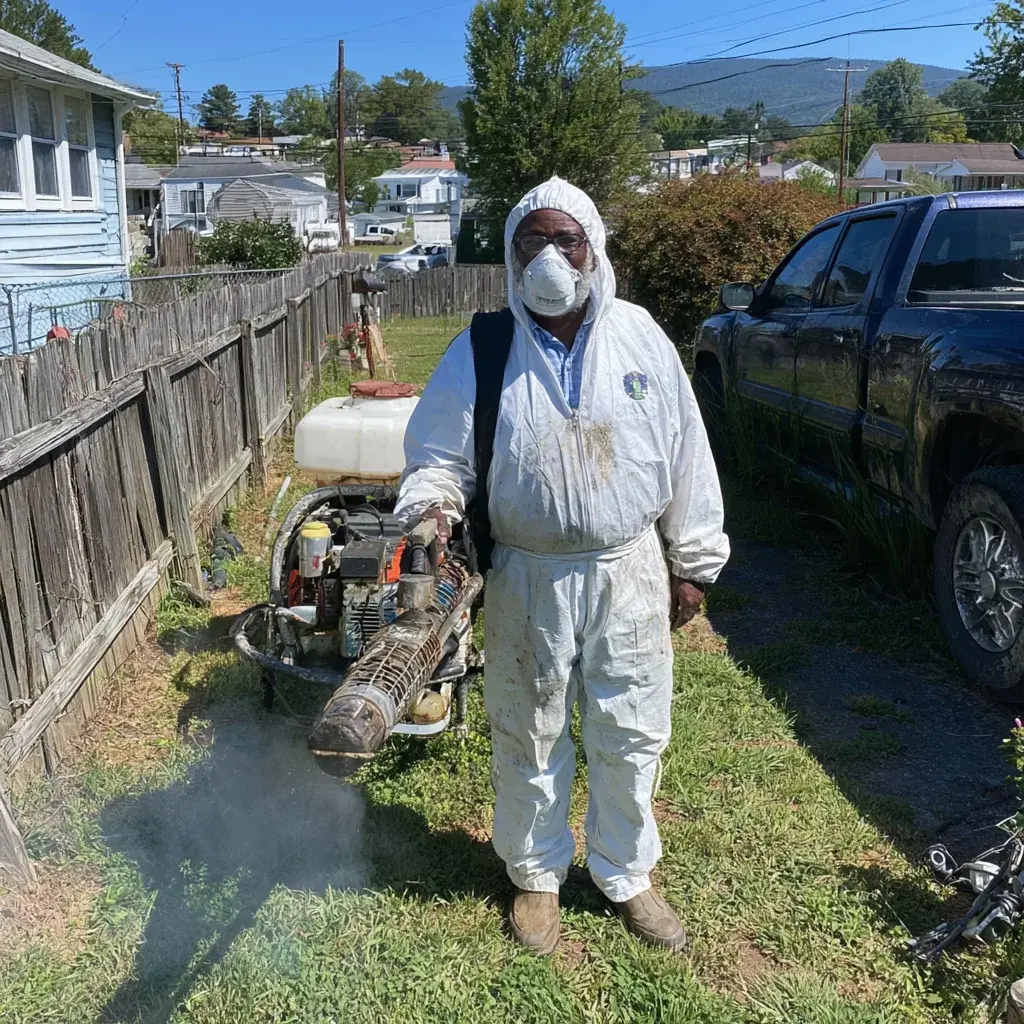
Mosquito and Tick Control
They spend the day in shade, not in your lawn. Treatment goes where they rest and where the water sits.
Learn about Mosquito and Tick ControlThe lake decides a lot of it. Its level moves several feet between wet and dry years, which shifts mosquito pressure street by street, while the low ground around it keeps termite work going whatever the season.
Lake Jackson is a sinkhole lake, and that is not a technicality. It sits on karst limestone and it has drained down its own sinks more than once in living memory, dropping to mud flats and then filling again over the following seasons. Nothing else around Tallahassee changes the pest picture on a given street as much as that does. In a full year the lake edge is a permanent mosquito source and the low streets nearest the arms carry the pressure. In a drained year the exposed bed grows up, then holds water in pockets, and the pattern moves. Housing is mostly 1960s and 1970s ranch, a mixture of slab and raised floor over crawl spaces, with newer build filling in on higher ground. The older raised-floor houses bring the familiar list: a damp crawl space, an original vapor barrier that has torn or was never there, wood clearance lost to forty years of added grade and mulch. Roof rats work the mature trees on the older streets, and raccoons and opossums come off the lake margin and the wooded arms all year.
Eastern subterranean termites are native and widespread across north Florida, and a spring swarm around Lake Jackson is the seasonal signal worth watching for.
Across Lake Jackson the stock is 1960s and 1970s ranch on slab and crawl space, with newer build on the higher ground away from the lake. Wood touching soil, whether that is a porch post, a deck footing or a fence rail leaned against the siding, is the commonest invitation on properties like these and also the cheapest thing to put right.
Mosquitoes need less water than people expect near Lake Jackson. A saucer under a pot, a sagging gutter, a boat cover and a forgotten bucket are each enough after a week of warm rain, so a walk around the property comes before any spraying.
Lake level swings a long way between wet and dry years, so mosquito pressure on a given street changes from season to season rather than staying fixed. Homes around Lake Jackson deal with pest pressure that eases through December and January but never fully shuts off the way it would farther north.
Home age, foundation type, and how close the problem sits to standing water around Lake Jackson all move the number.
| Service | Estimated cost |
|---|---|
| Mosquito and Tick Control | an estimated $69–$139 |
| Moisture Control | an estimated $265–$825 |
| Wildlife Removal | an estimated $175–$525 |
| Termite Control | an estimated $425–$1350 |
Wooded state park ground on the lake's edge. Properties along that boundary get steady raccoon, opossum and armadillo movement, so exclusion work outlasts trapping here.
A shallow arm at the south end that holds water and vegetation when the main lake is low. Streets backing onto it see mosquito pressure out of step with the rest of the area.
They spend the day in shade, not in your lawn. Treatment goes where they rest and where the water sits.
Learn about Mosquito and Tick Control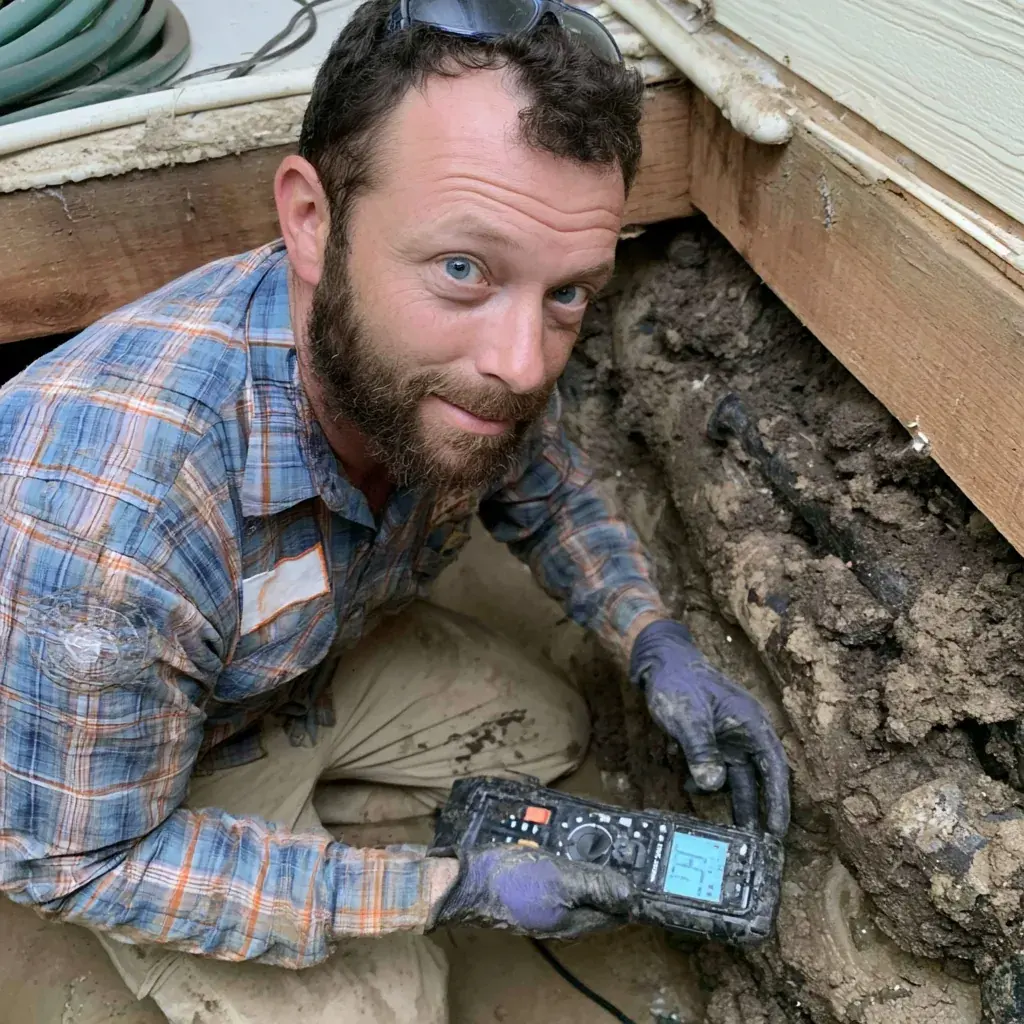
Twenty percent is the figure that lands on the report. Most of what moves it costs less than a single weekend.
Learn about Moisture Control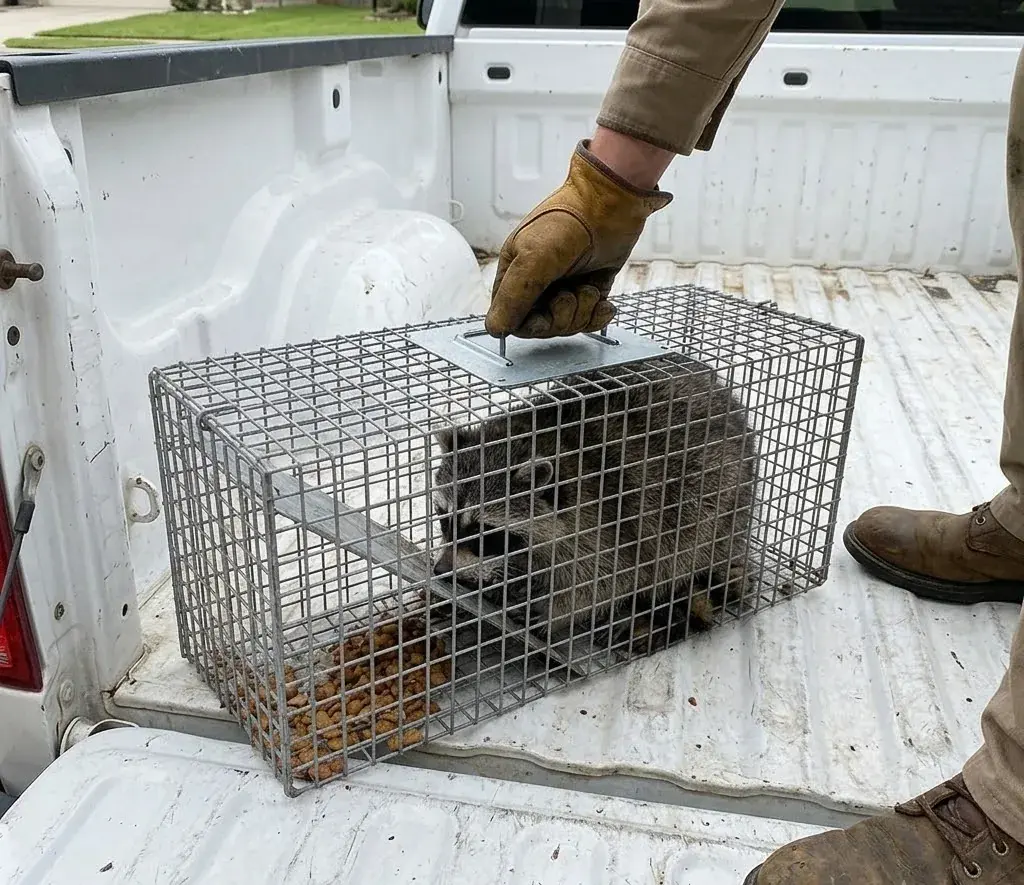
This is mostly carpentry with an animal caught in the middle, and four months a year when bats are simply non-negotiable.
Learn about Wildlife Removal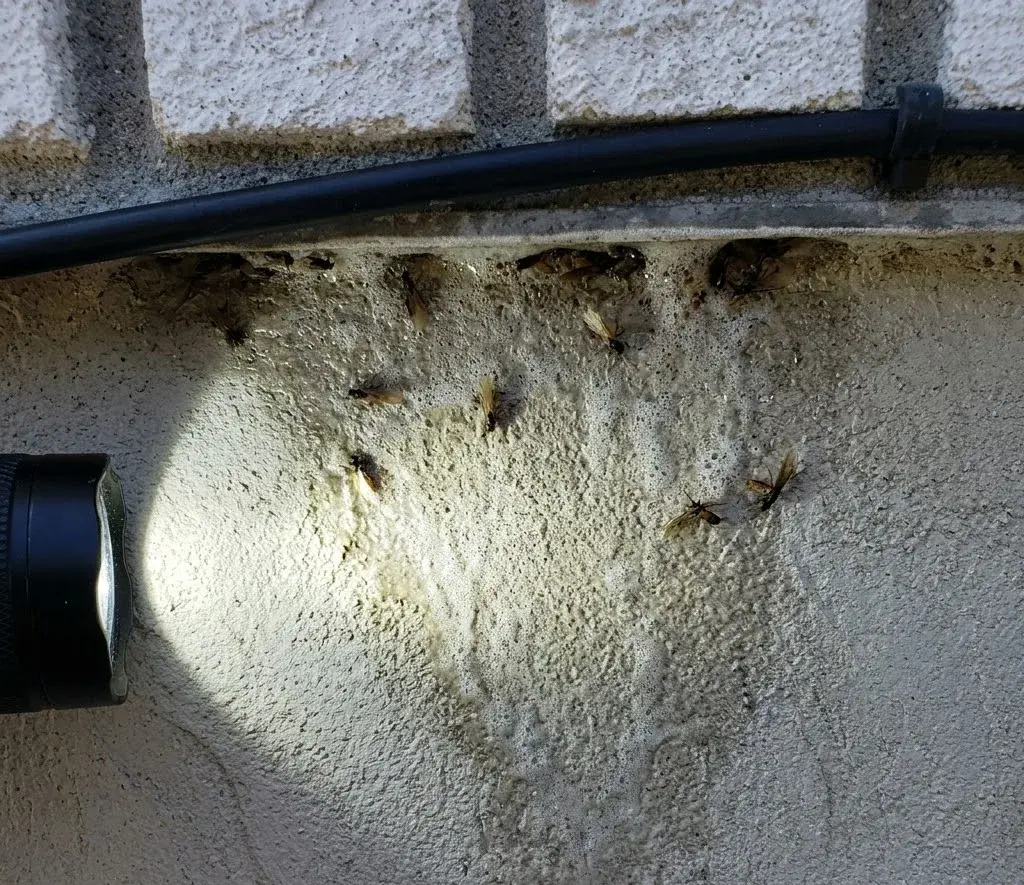
February through October, three species behaving differently, and a contract whose renewal fee matters more than its headline…
Learn about Termite ControlCrawfordville · Woodville · Southwood · Quincy · Havana · Monticello · Chaires · Miccosukee
The lake almost certainly moved. Lake Jackson drains into sinkholes and refills, and each state of it puts breeding water in a different place. A full lake keeps the margin wet and the nearest streets busy. A low lake exposes a bed that grows up and then holds water in pockets and old channels, which can be worse for some addresses and better for others. Nothing about your yard has to change for your experience to change completely.
Very little, and a torn one can be worse than none because it channels water rather than blocking vapor. A ground cover only works if it is continuous, lapped at the seams and carried up the piers and the wall. On a 1960s house here that sheet is usually original where it exists at all. Getting it right is one of the few pest jobs that pays for itself in ways you can feel, because it takes humidity out of the floor structure and off the ductwork at the same time.
It matters a great deal, because the fix differs. Roof rats are the common one on the older tree-lined streets and they come in through soffit and gable gaps after using a limb to reach the roof. Squirrels enlarge an existing gap and are loud at dawn and dusk. Raccoons tear a soffit or a vent outright and are unmistakable by weight. Bats are protected and have a legal exclusion season, so guessing is genuinely costly there. An inspection that names the animal before anything is sealed is not an upsell, it is the difference between a repair that holds and one that traps something inside.
Not for the treatment, but it is a reason to be careful about what goes into it. This is karst, water moves quickly from the surface into the aquifer, and Wakulla Springs is downstream of a great deal of it. That is an argument for placing product accurately rather than broadly, for baiting where baiting suits the situation, and for asking what is being applied and where. It is not an argument for leaving a termite colony alone, which will cost you a floor.
State rules say the front page of a termite agreement has to name what it actually covers, subterranean or drywood or both. Older and newer construction sit mixed together around Lake Jackson, so ask which of those yours names before you sign rather than afterwards.
Call and describe it. You get an honest read on whether this wants treating now or can safely wait for a cheaper standard slot.
Call (850) 388-6192