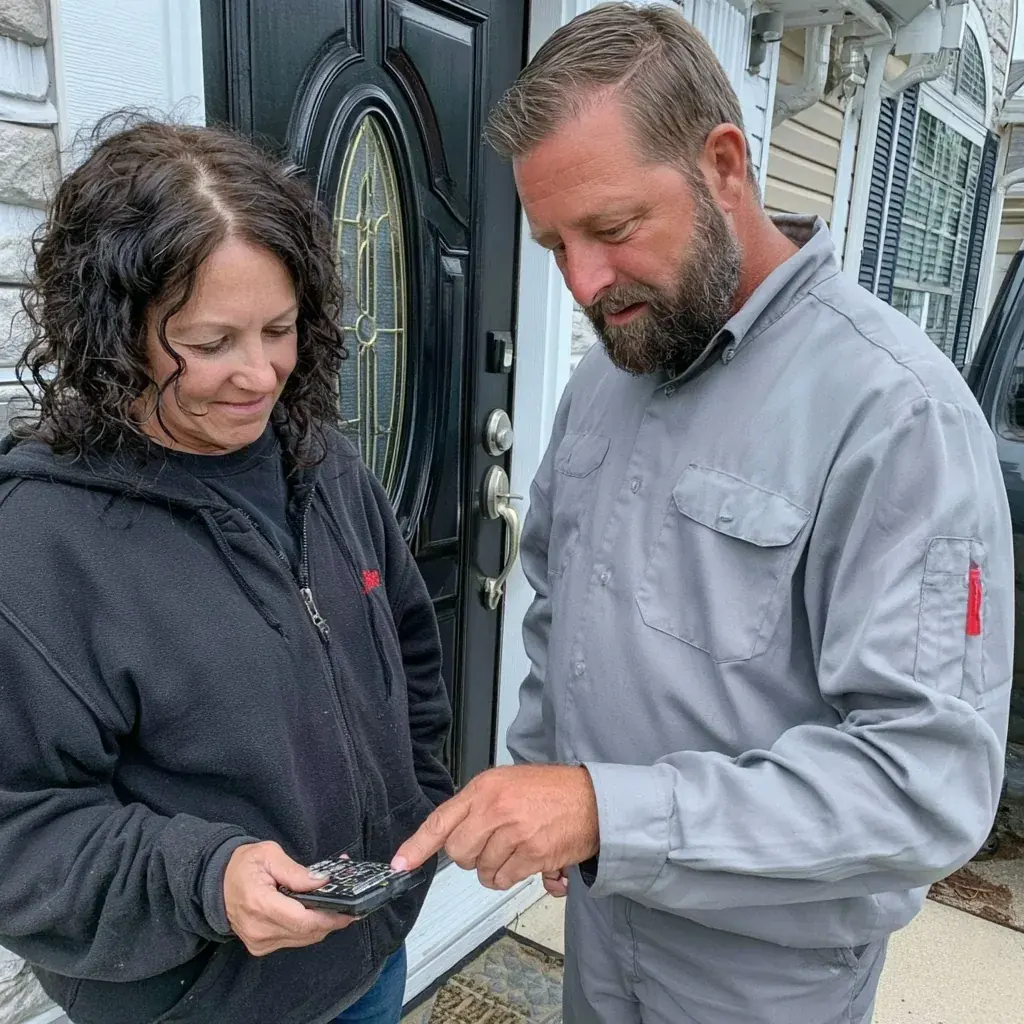
New Construction
The Builder Treated It: What Year Two Covers in Tallahassee
Not one visible thing changes on the day a new-build termite warranty runs out. That is precisely the problem with it.
Read article
Written for Tallahassee houses on Tallahassee ground, not lifted from a national template. Termite timing here, what the canopy does to a roofline, and what sixty inches of rain a year means under a floor.
Most pest writing online is built around one spring swarm, and that is not how the year works in this part of Florida. Native subterranean termites here swarm on warm days after rain from late winter through to September or October, usually in daylight, so there is no single week to watch for and no quiet stretch to relax in. Drywood termites are a separate problem again and do not need contact with soil at all. Roaches move indoors whenever a downpour saturates the ground, fire ant mounds are back within days of being knocked flat, and mosquitoes build from early spring and hold until the nights properly cool, which some years is December.
These guides are arranged around what is actually moving rather than around a tidy spring-to-autumn arc. Alongside the seasonal pieces there is identification, how to read a crawl space or a slab, what a WDO report does and does not tell a buyer, notes for landlords turning a unit over in the August rush, and honest lines about where a Saturday of your own work beats paying somebody. If something is active today, the /services set out how each treatment runs and the /cost carries the estimated ranges.
Not one visible thing changes on the day a new-build termite warranty runs out. That is precisely the problem with it.
Read article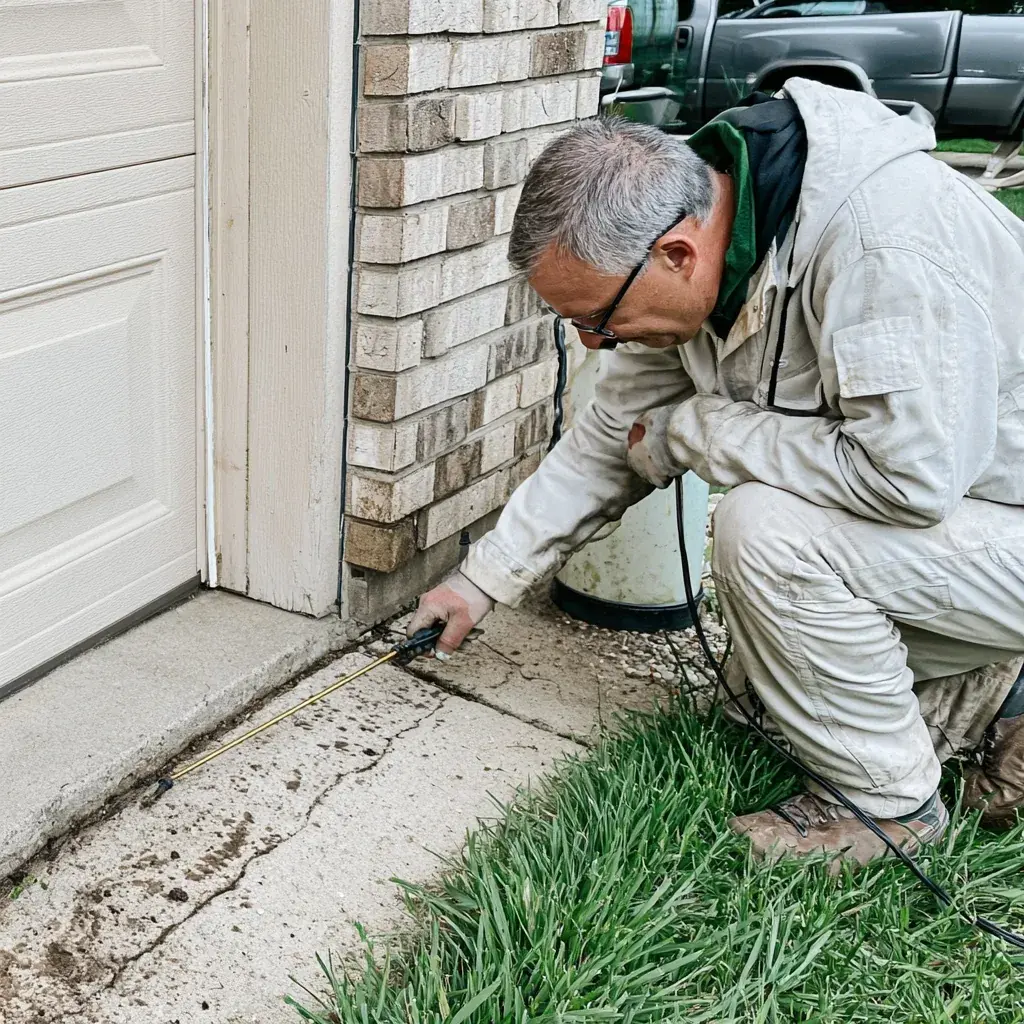
On a house built in the last few years, a single form settles how much soil under the slab actually got treated…
Read article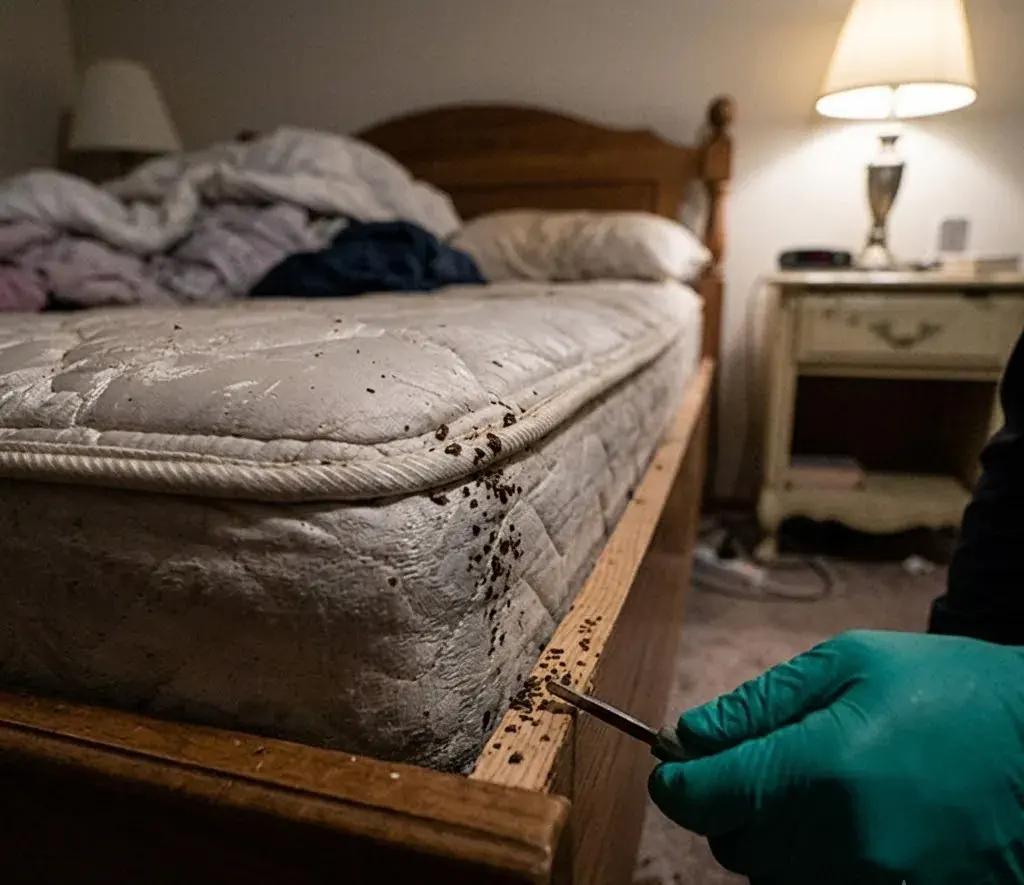
A few things ride along with the furniture. They all travel inside objects, and twenty minutes spent on the right objects at…
Read article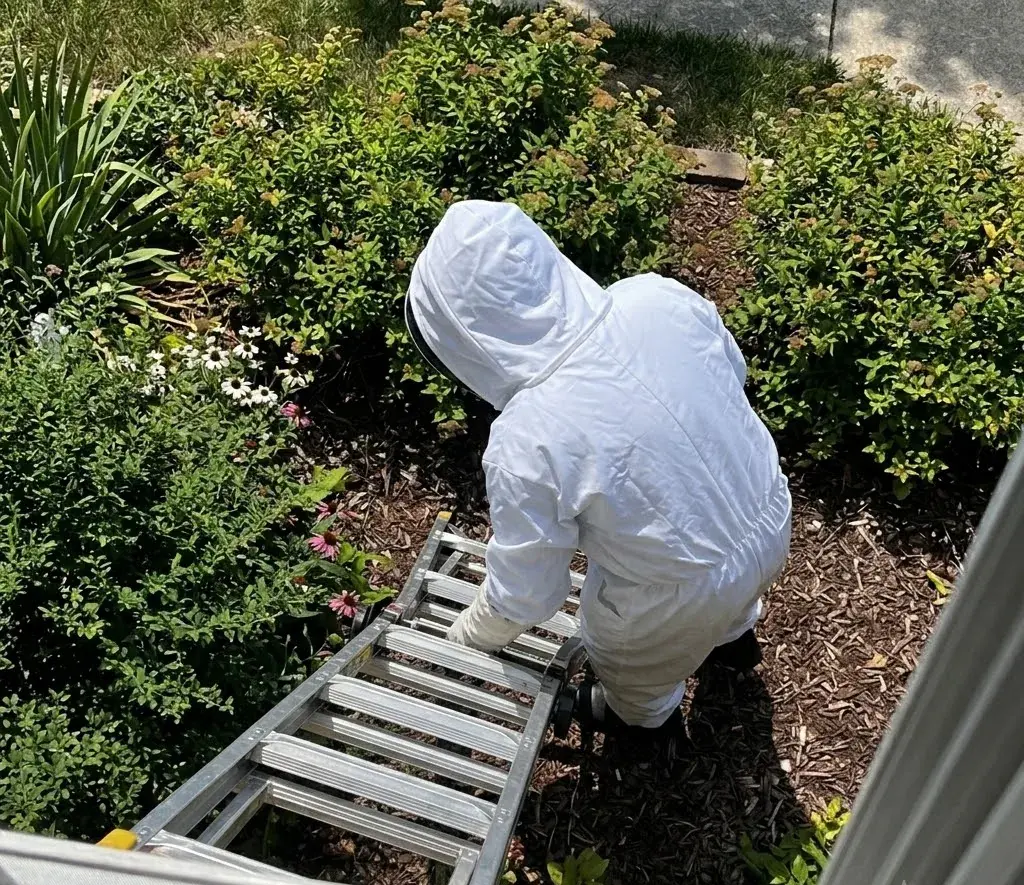
One afternoon of work on a Tallahassee house handles four separate pest problems simultaneously, and no pesticide is involved anywhere in it…
Read article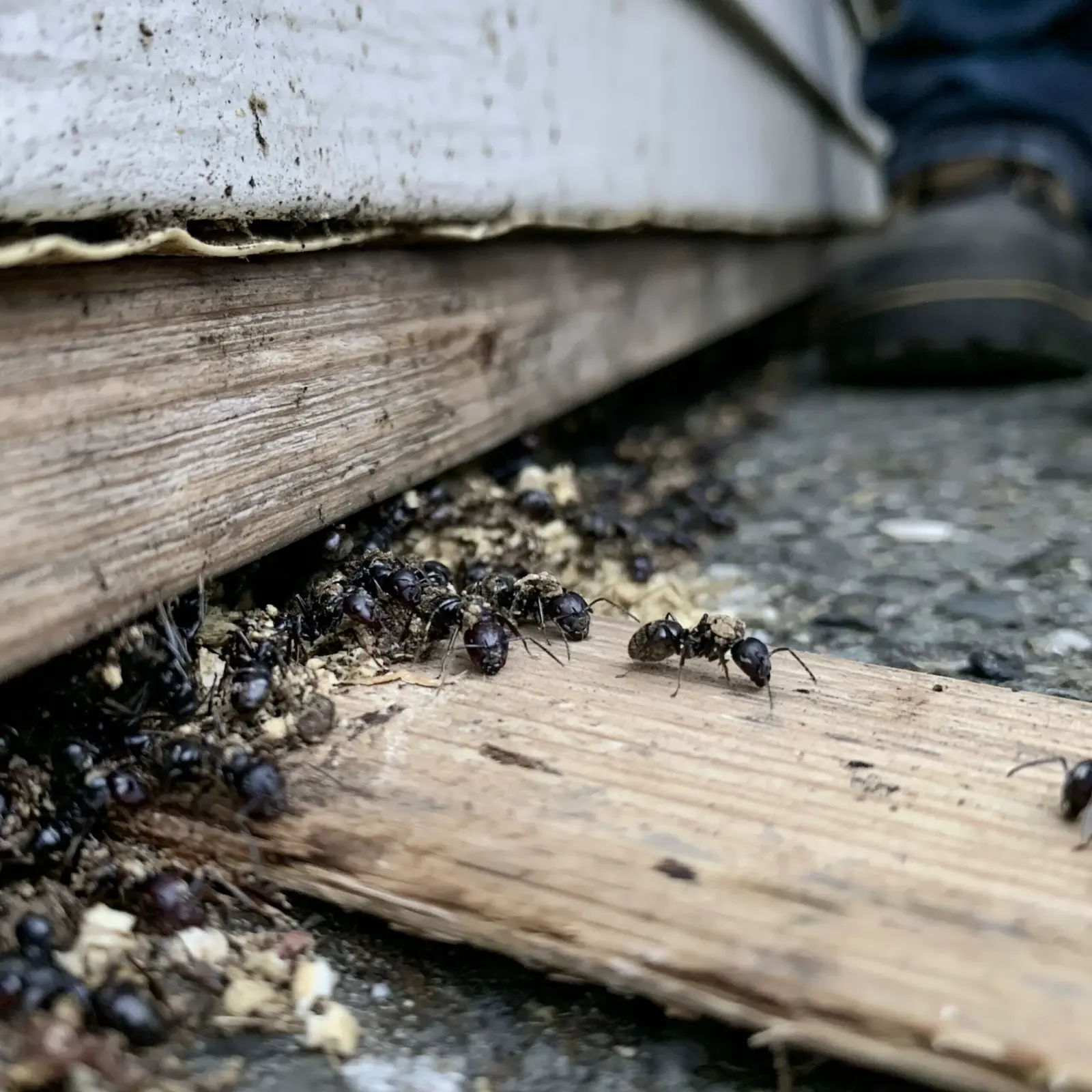
Small round holes in a joist with powder beneath them. The question was never what made them. It is whether anything is…
Read article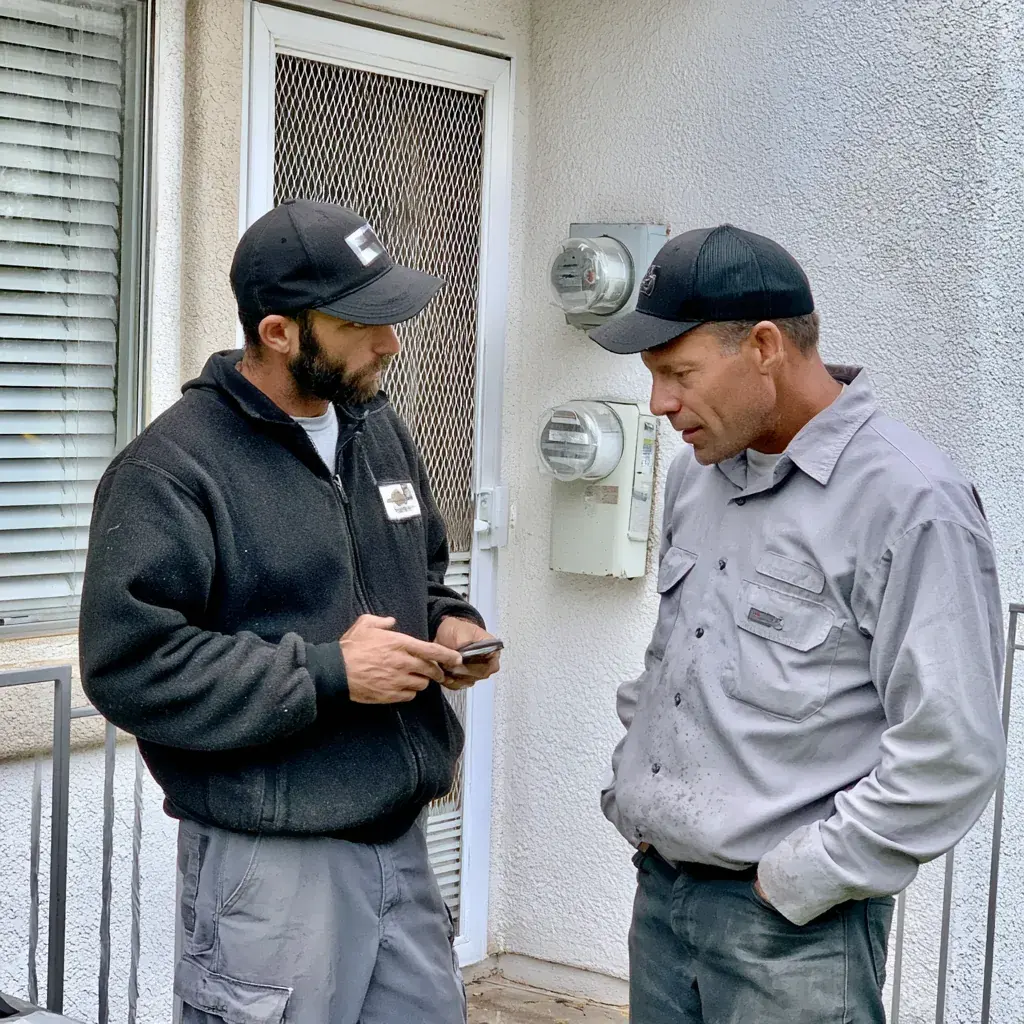
A quote is usually cheapest because something got left out of it, and the missing piece is hardly ever the chemical. It…
Read article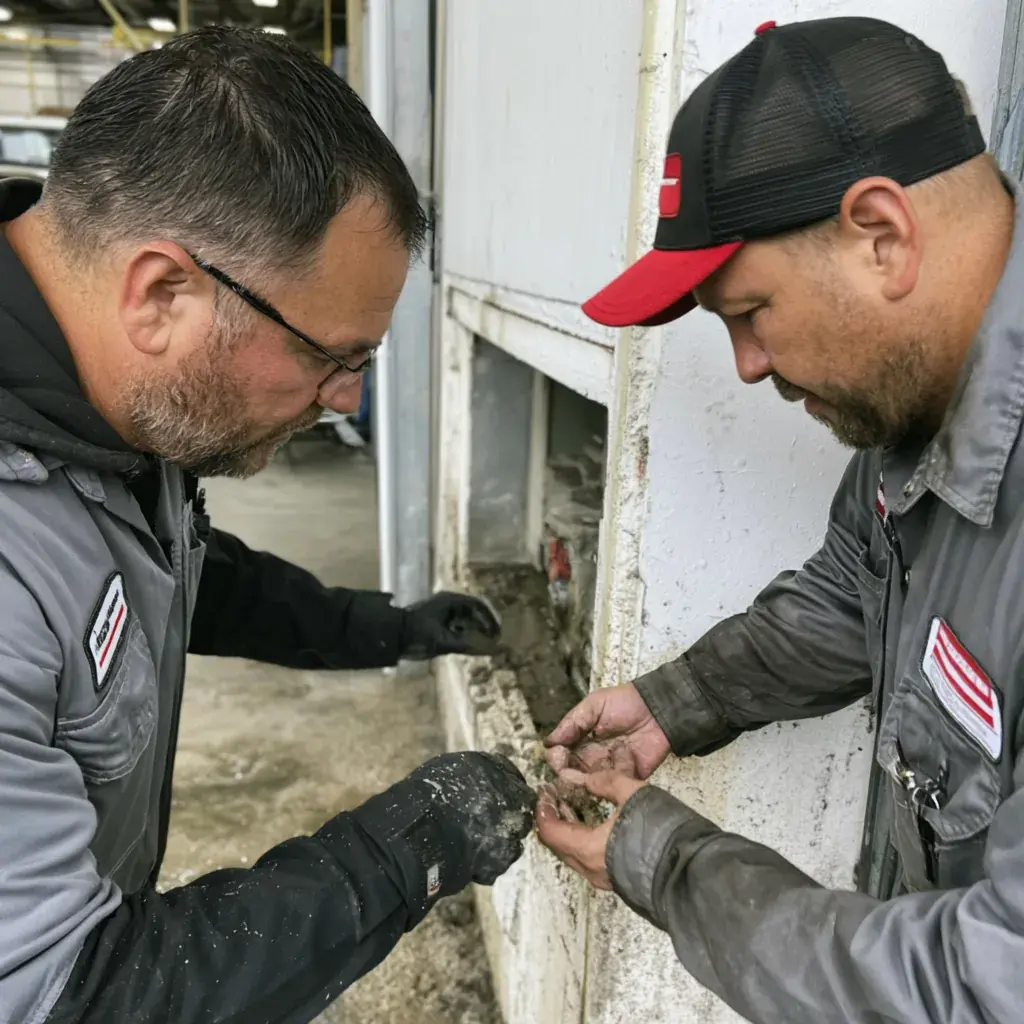
Every new home in Florida receives termite protection before a single person moves in, and the paperwork proving it is fastened to…
Read article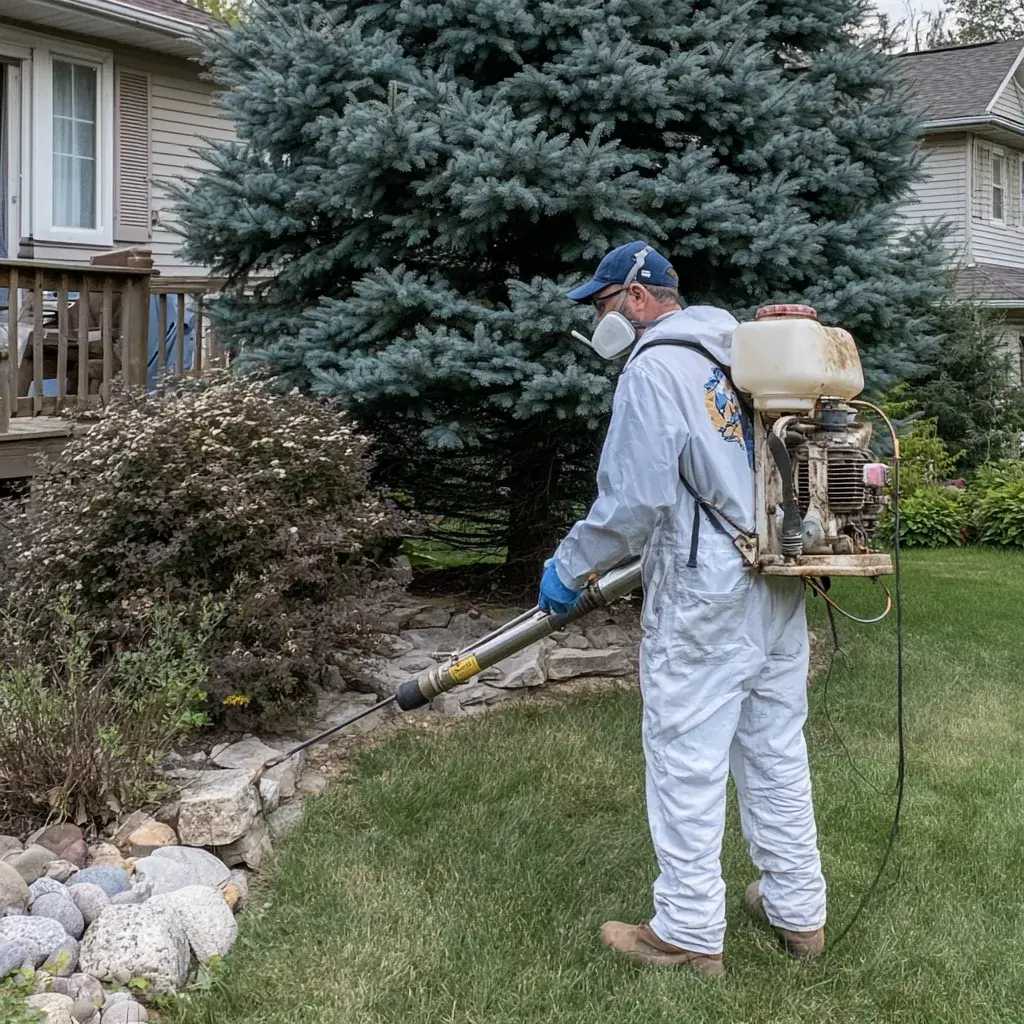
A quarterly plan means four visits a year, and most of what you are paying for happens outside the house. That one…
Read article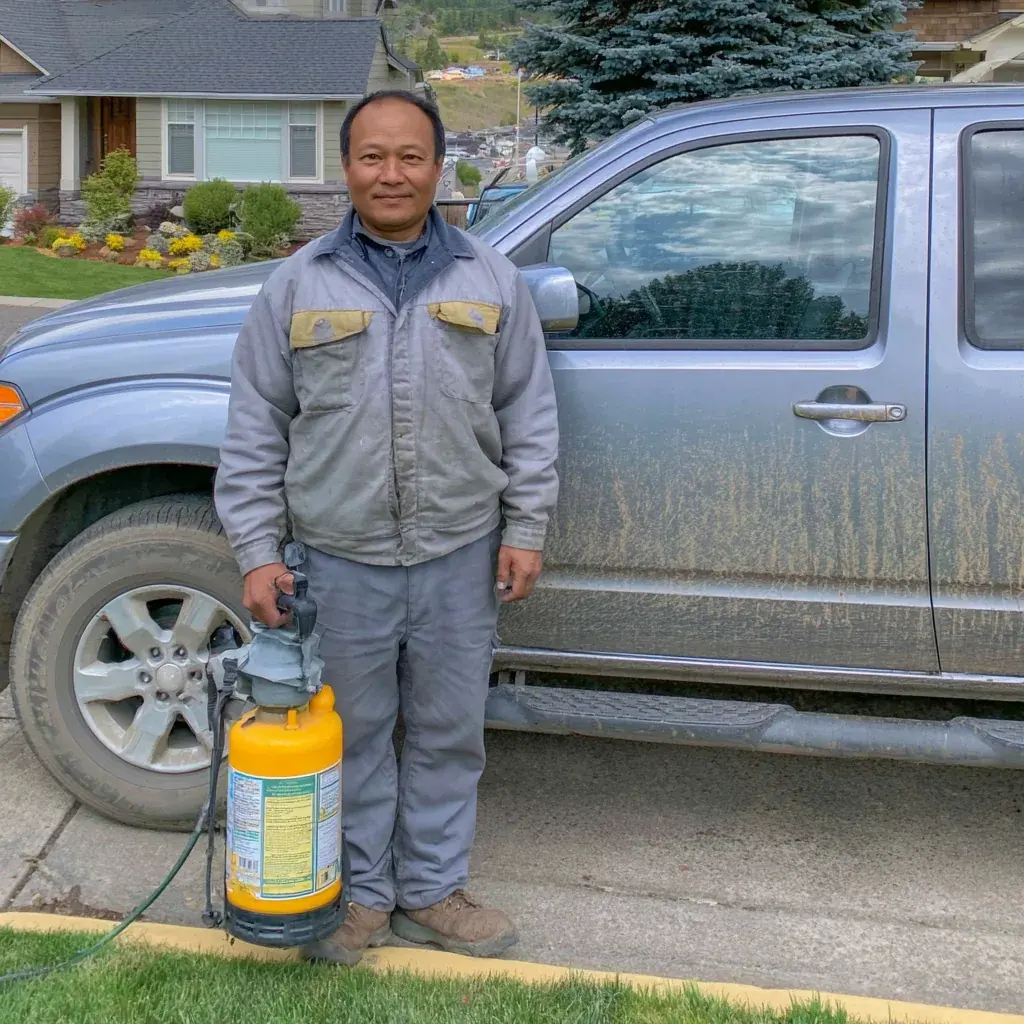
A search box hands you ads. These are the questions that actually separate one company from another, the answers worth hanging up…
Read article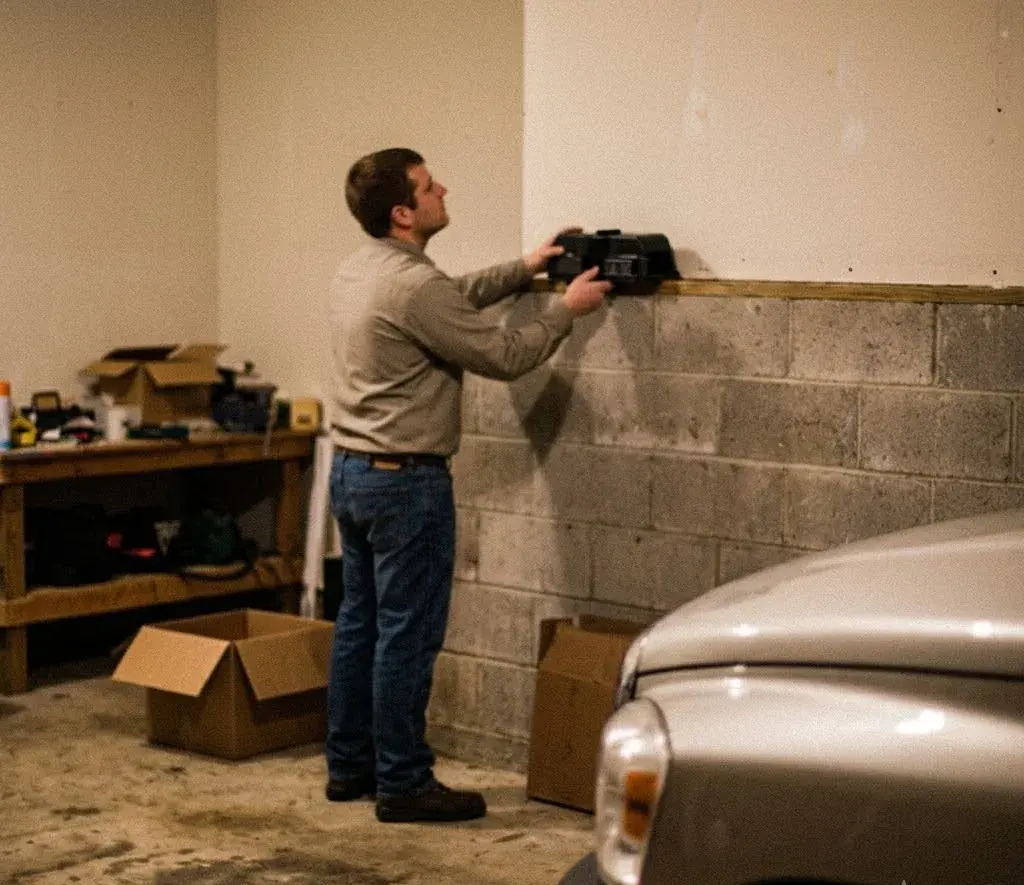
No product line, no annual renewal, no yard sign. That is exactly why nobody sells it door to door, and it is…
Read article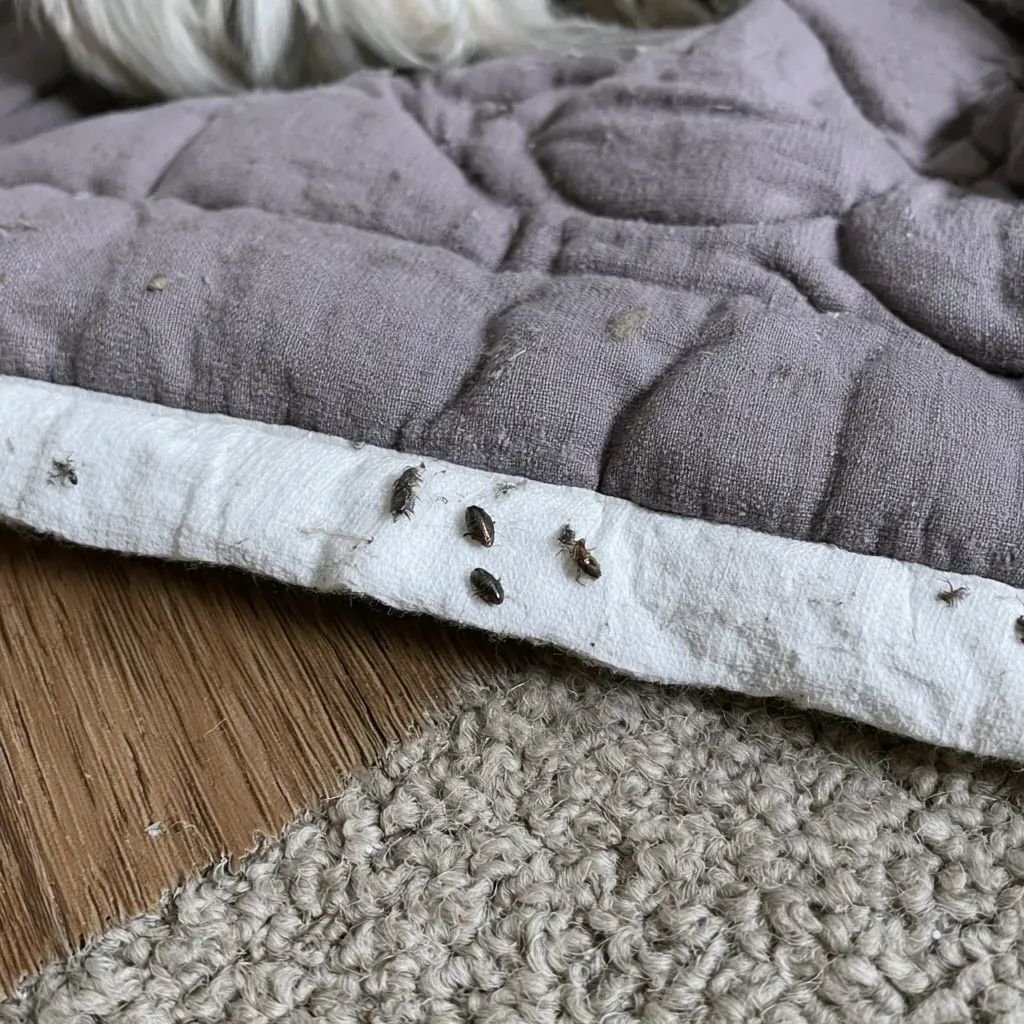
The handful of days between one tenant handing back keys and the next tenant's furniture arriving are the cheapest days you will…
Read article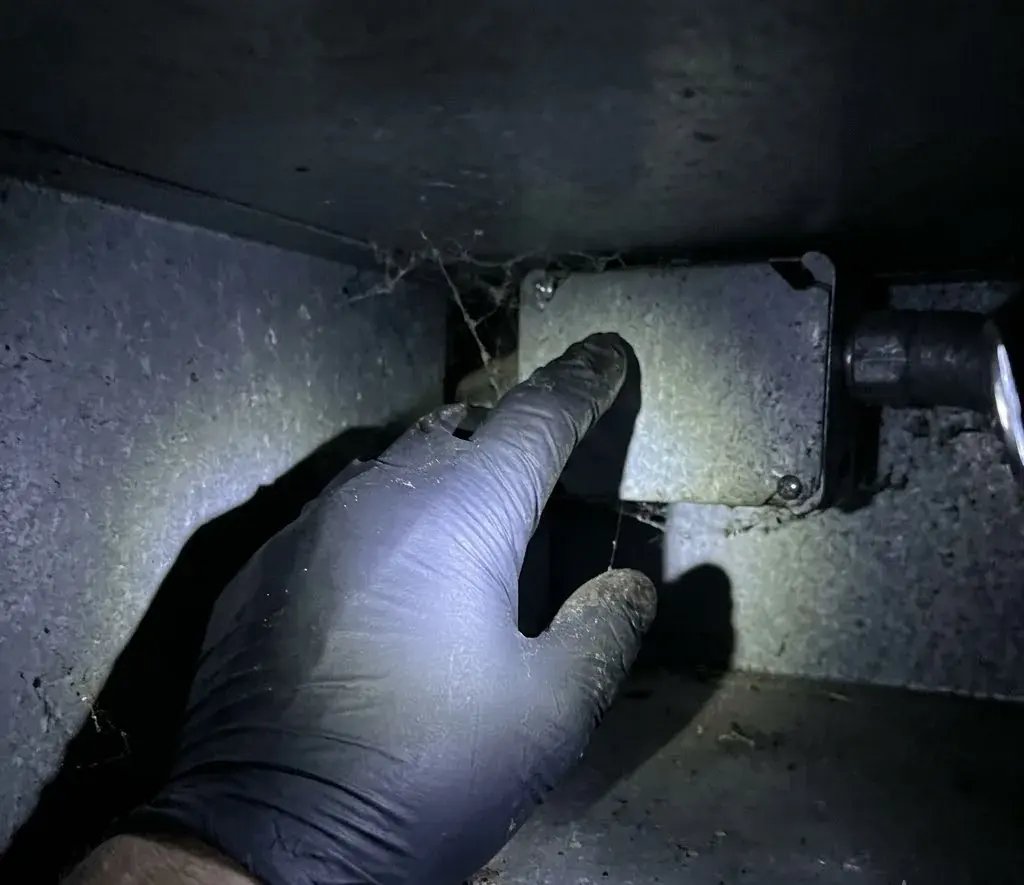
For four months of every year, nobody may lawfully seal bats out of a Florida attic. Here is what can still be…
Read article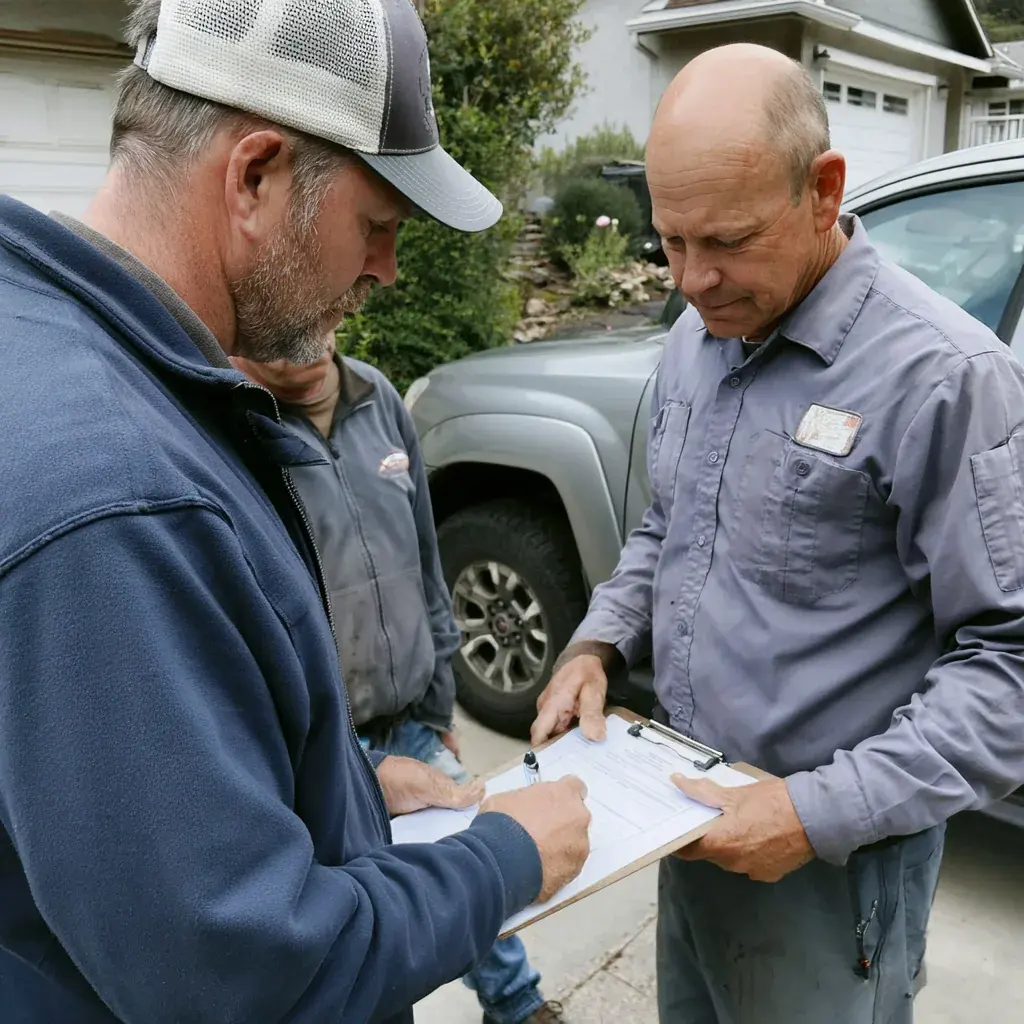
Florida has no flat rule about who pays. What it has is a landlord duty that cannot be waived, a tenant duty…
Read article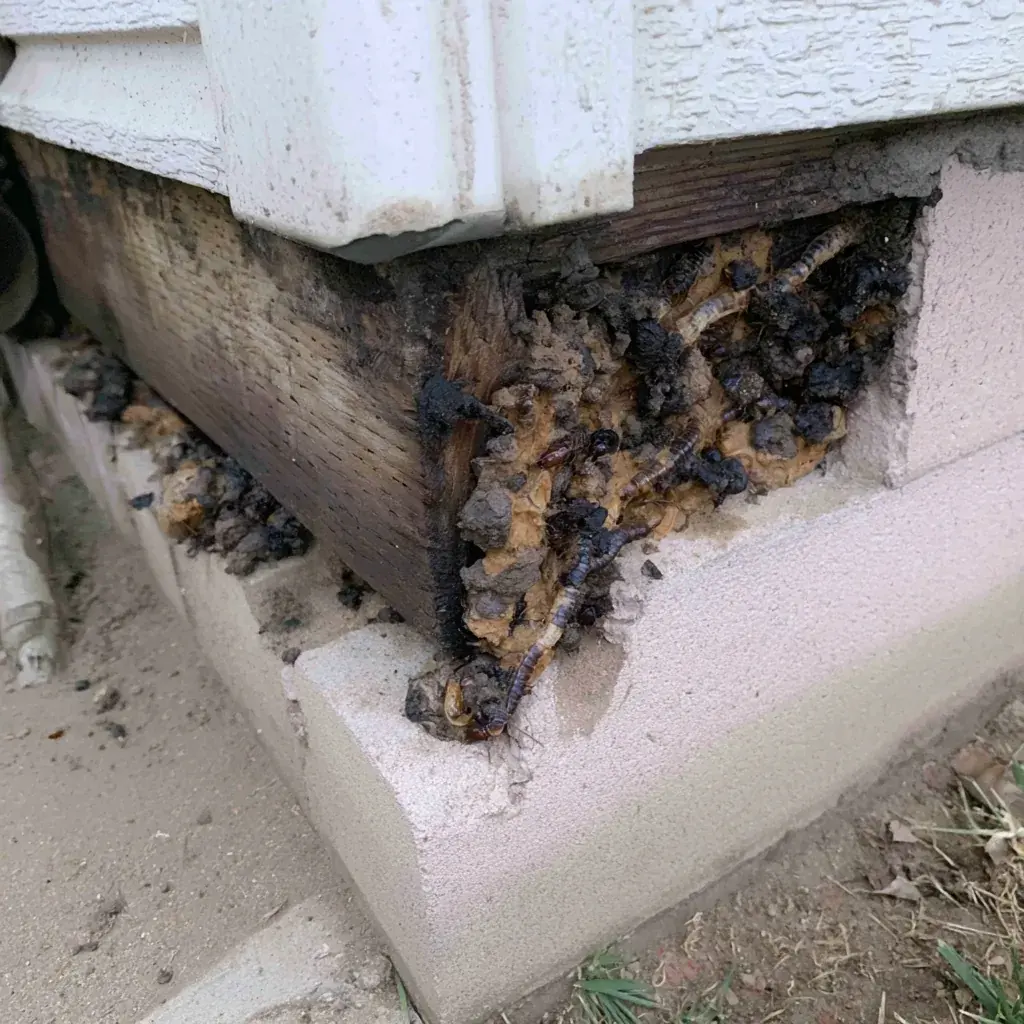
Somebody in nearly every deal announces that they just need a clear termite letter. The agency that adopted the form says the…
Read article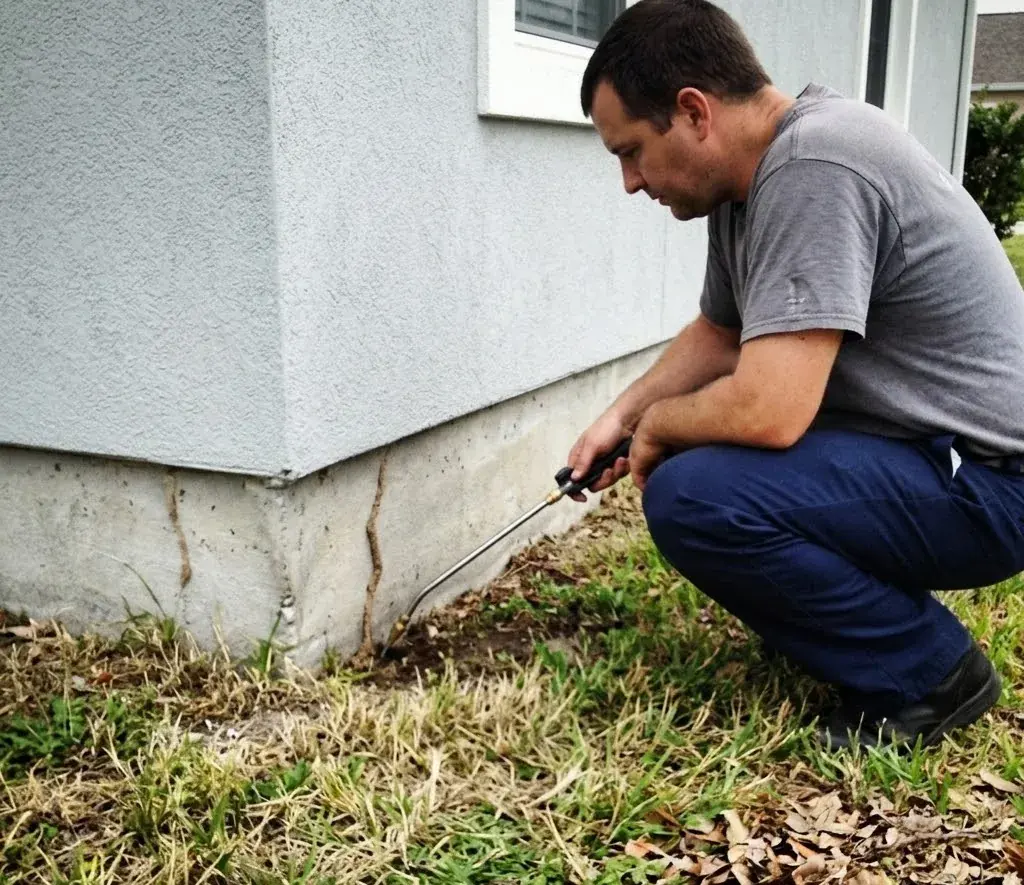
The mounds in front of you are never the whole of it, which is why picking them off one by one feels…
Read article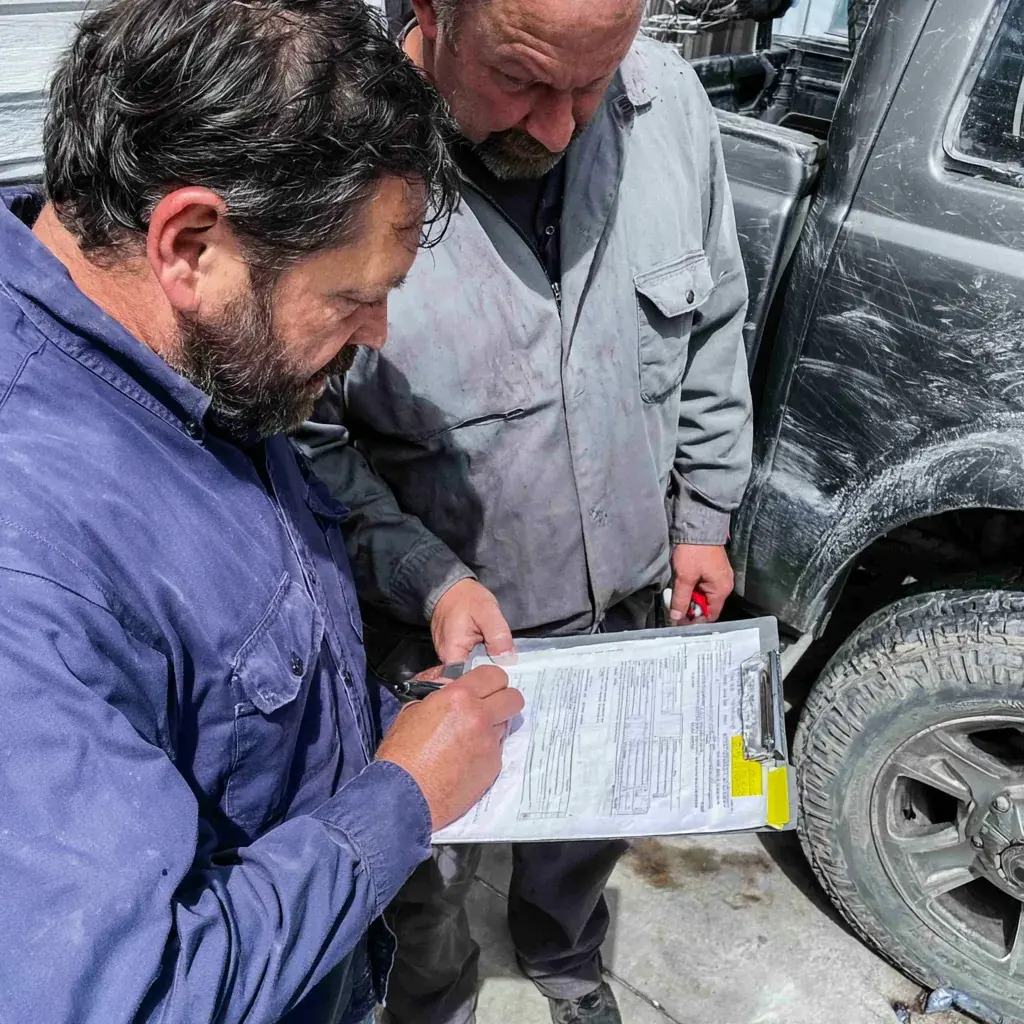
Print the proposal, sit down with a pen, and check it against six items. Florida already requires every one of them in…
Read article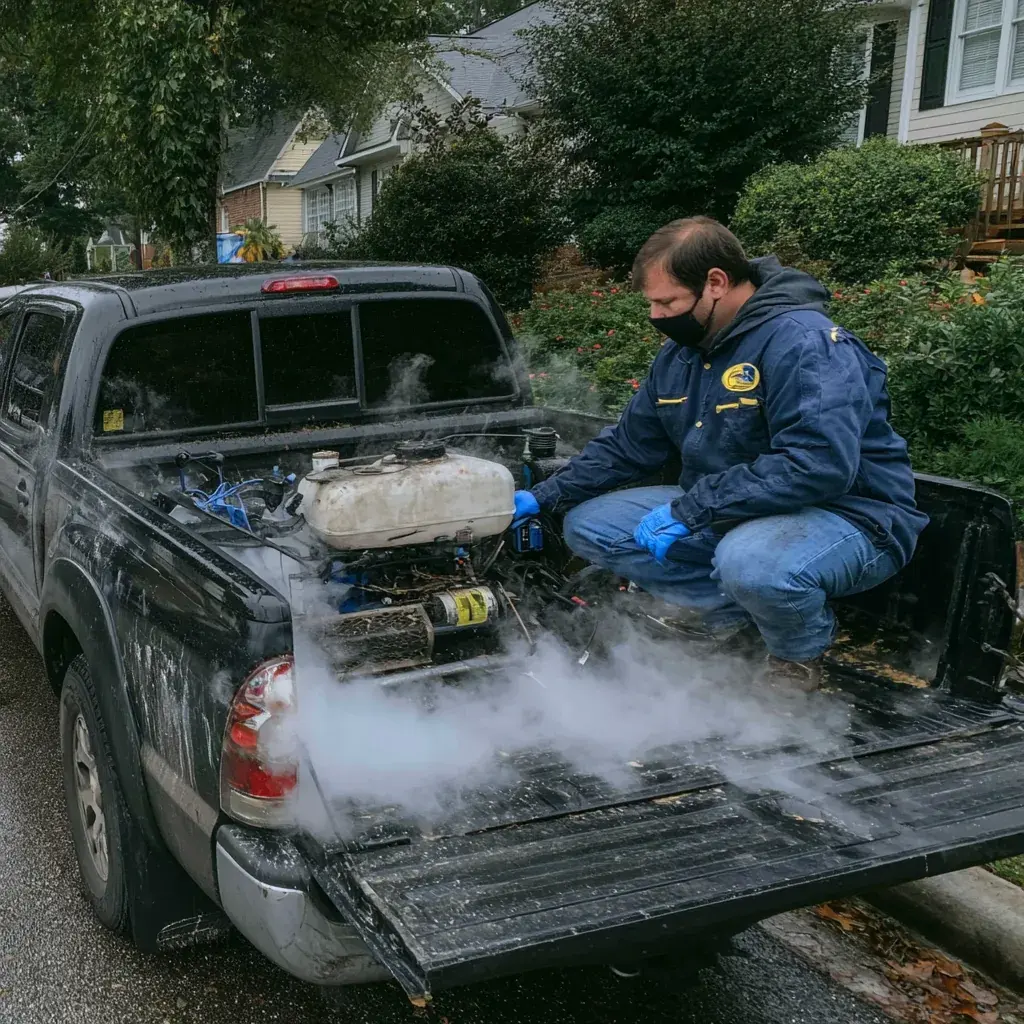
Two separate problems travel under one name: the water producing mosquitoes, and the shade the adults sit in all day. Skip either…
Read article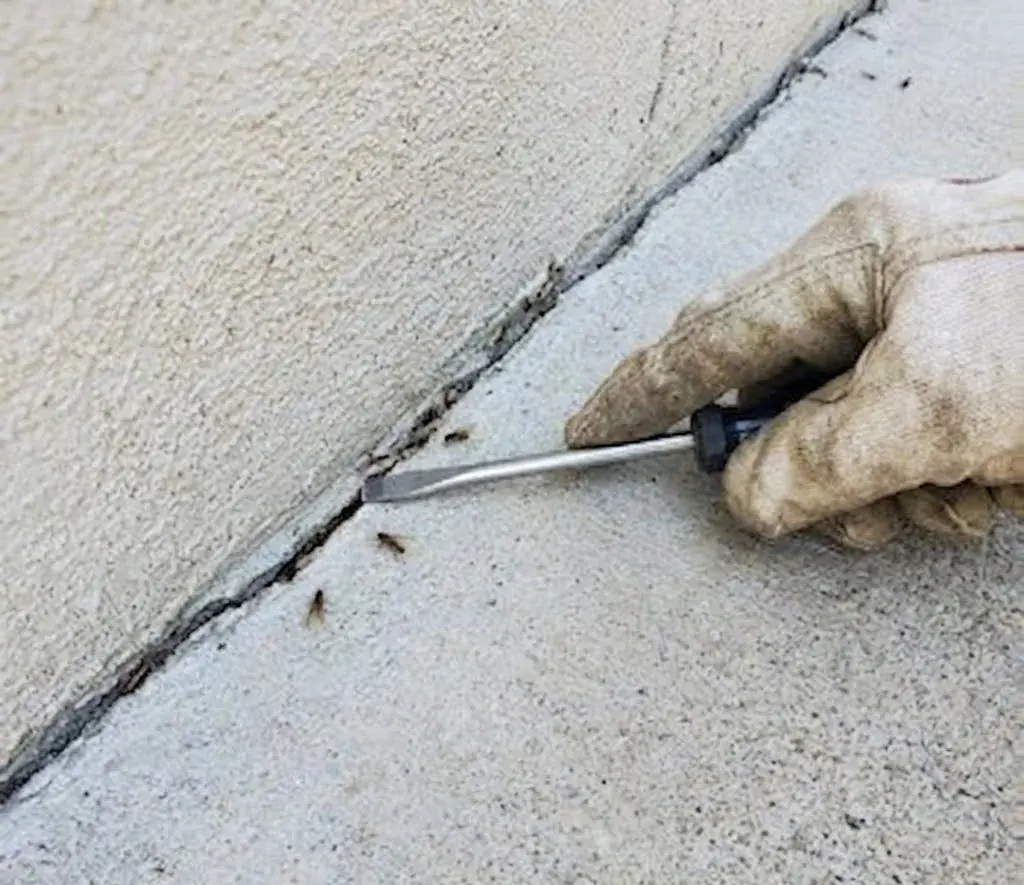
Most termite advice online is written around a single spring flight. Around here they swarm in daylight anywhere from February through October…
Read article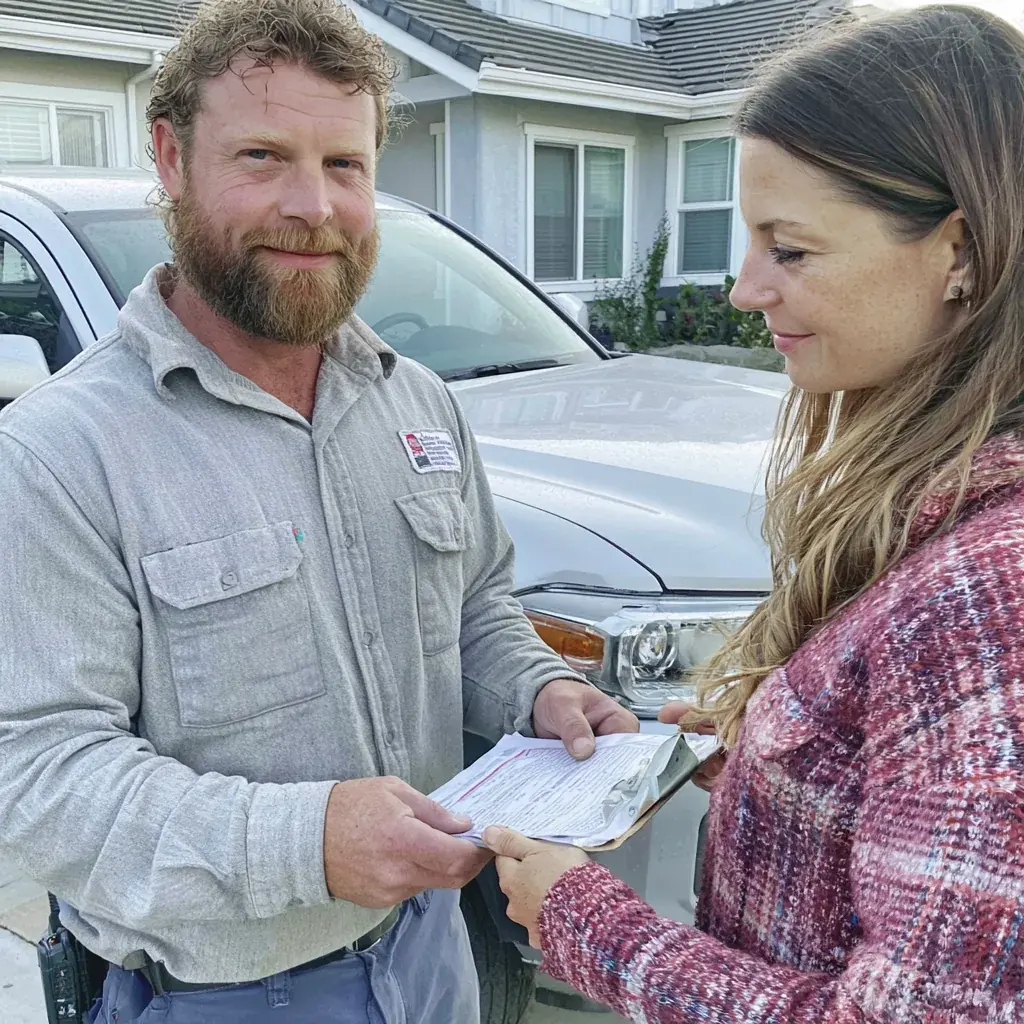
Form DACS-13645, taken apart line by line: what it covers that most states do not, what it is built to leave out…
Read article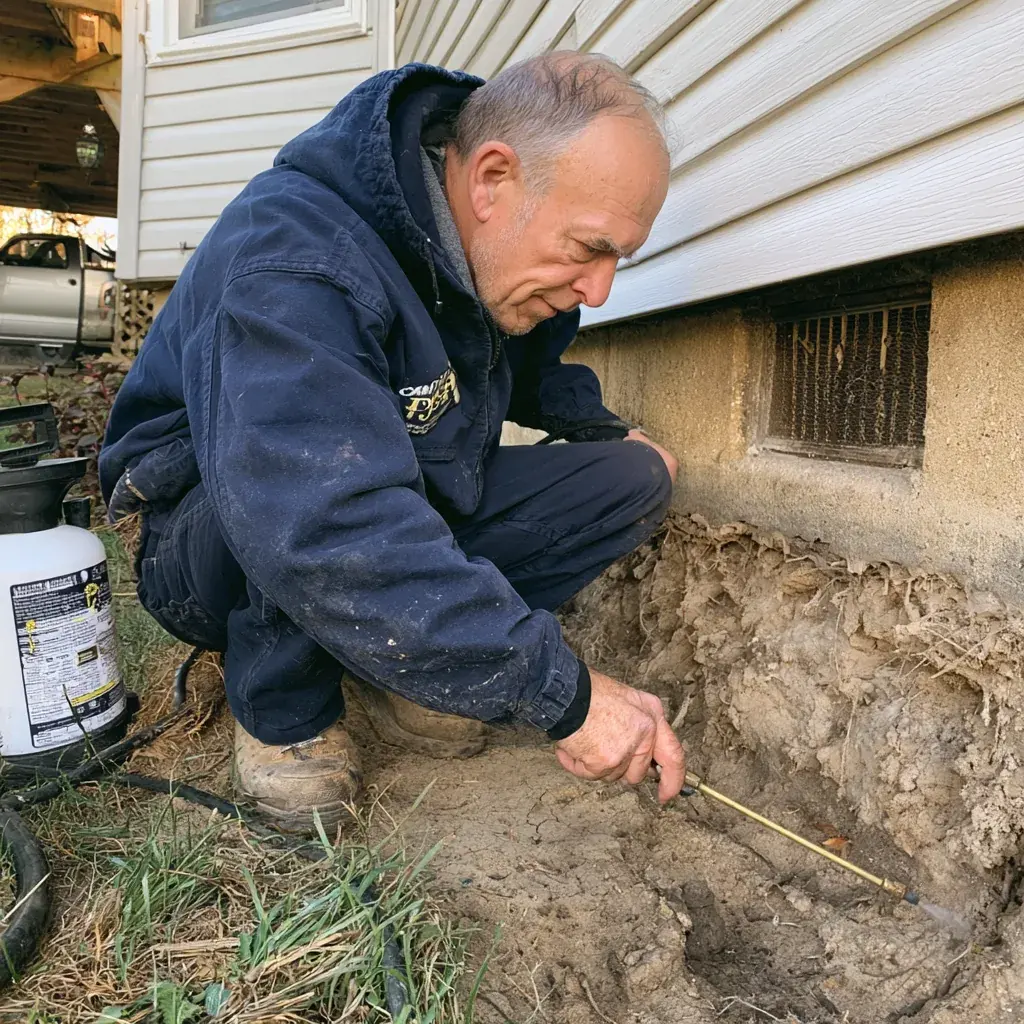
Two quotes on the same Tallahassee street can land hundreds of dollars apart with neither company in the wrong. Nine times out…
Read article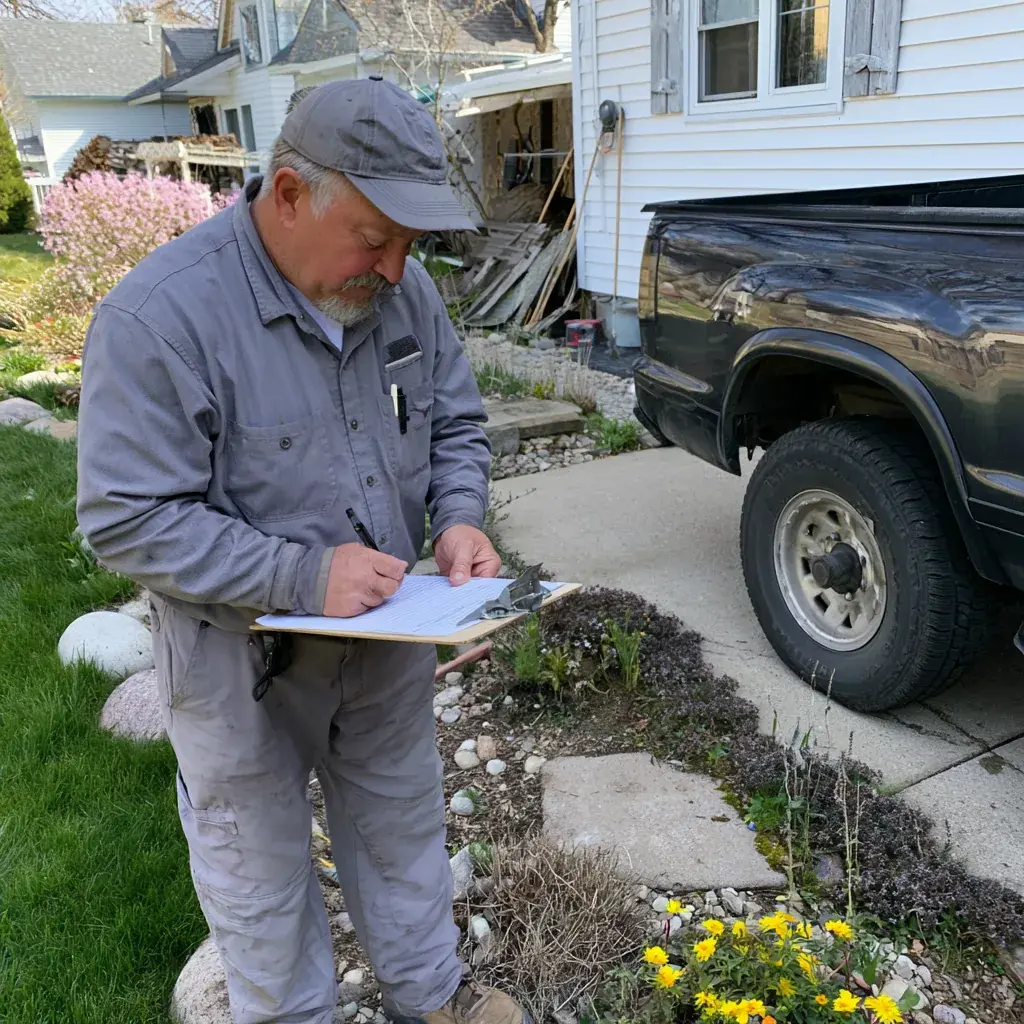
What genuinely moves a pest control price in this county, with hedged ranges and the one charge nobody remembers to ask about…
Read article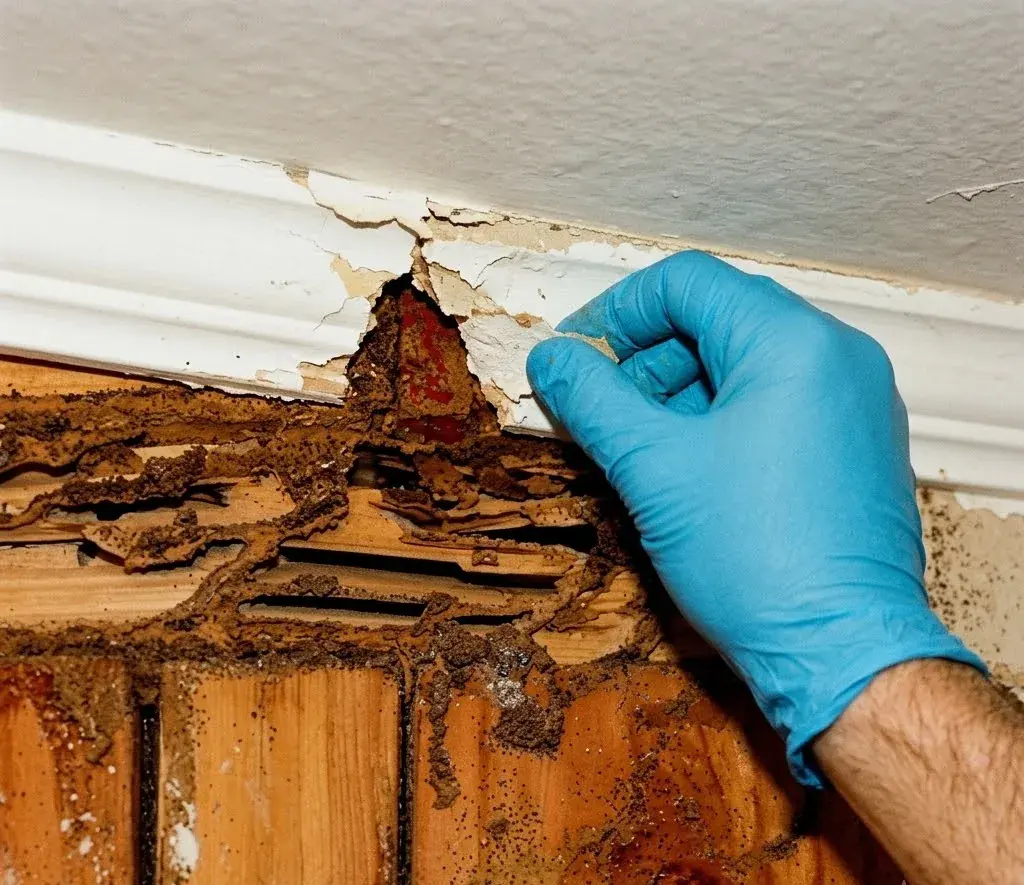
A single clause settles whether a company returns to treat or pays for carpentry. Most homeowners never read it until the joist…
Read article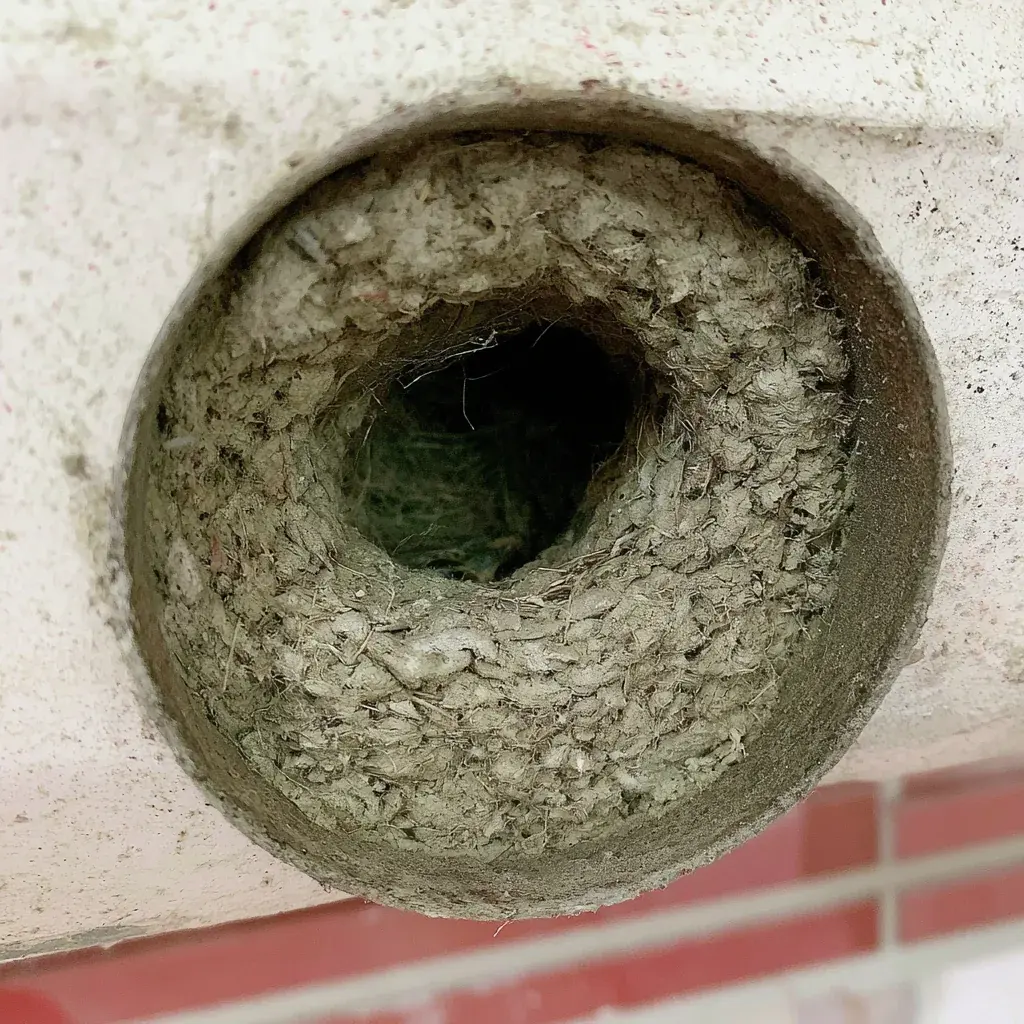
Traps thin out whatever is already indoors. Sealing is the half that stops you running the whole exercise again next October.
Read article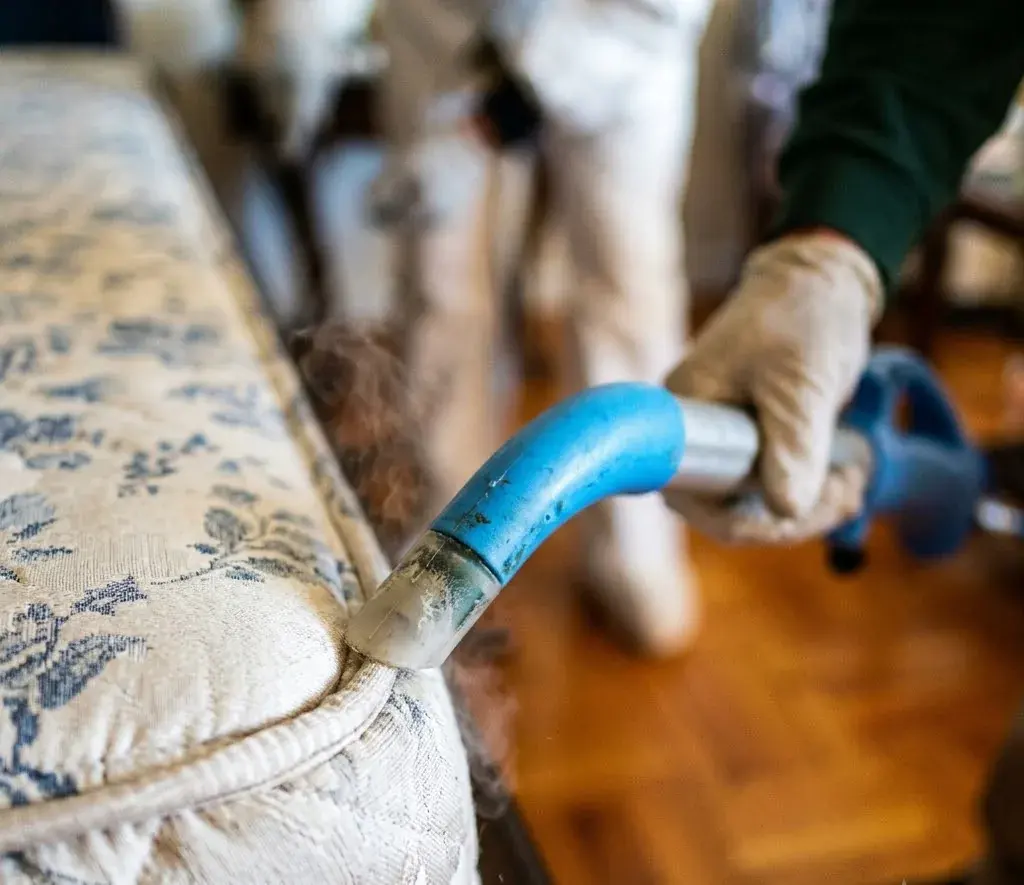
In this town almost the whole year's turnover lands inside about three weeks. That is the window for bed bug work, and…
Read article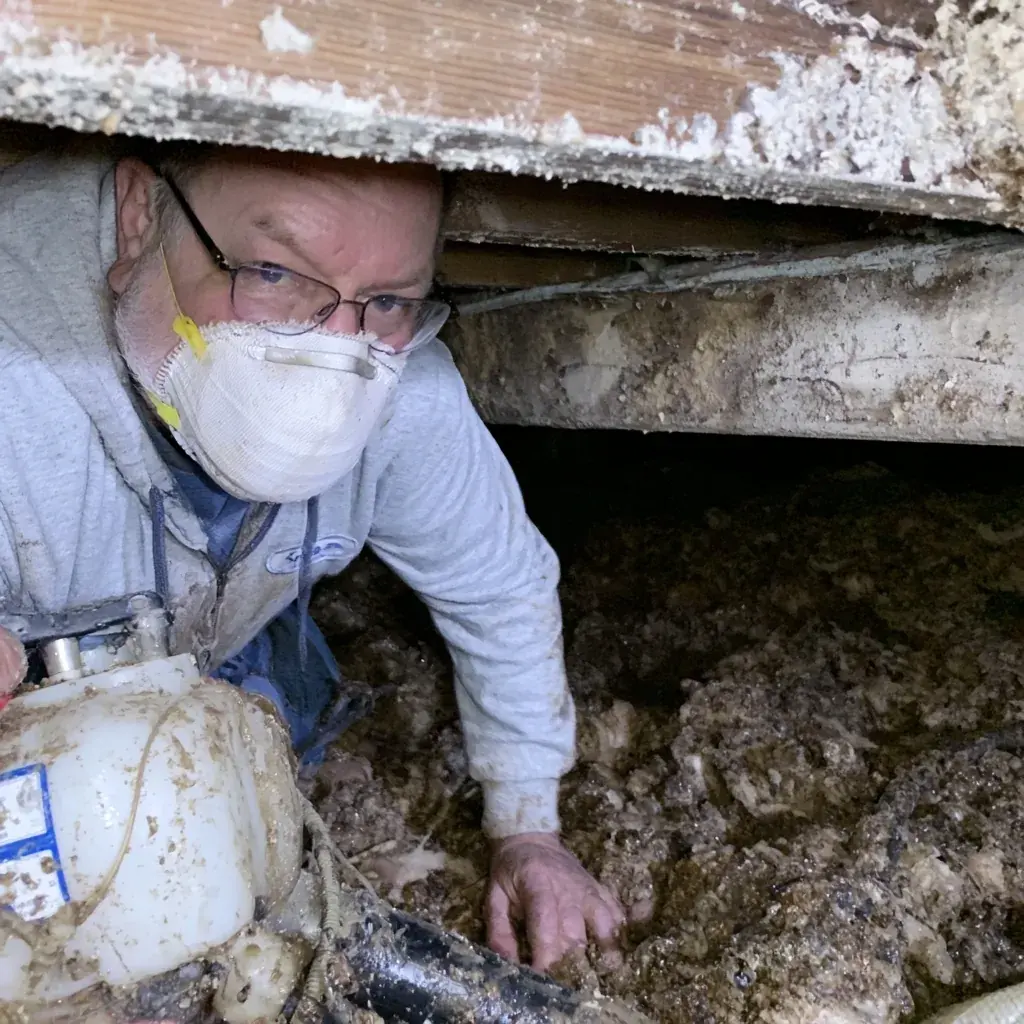
Twenty percent is a scoreboard, not a verdict. Here is the order to work through, and what each step actually costs toward…
Read article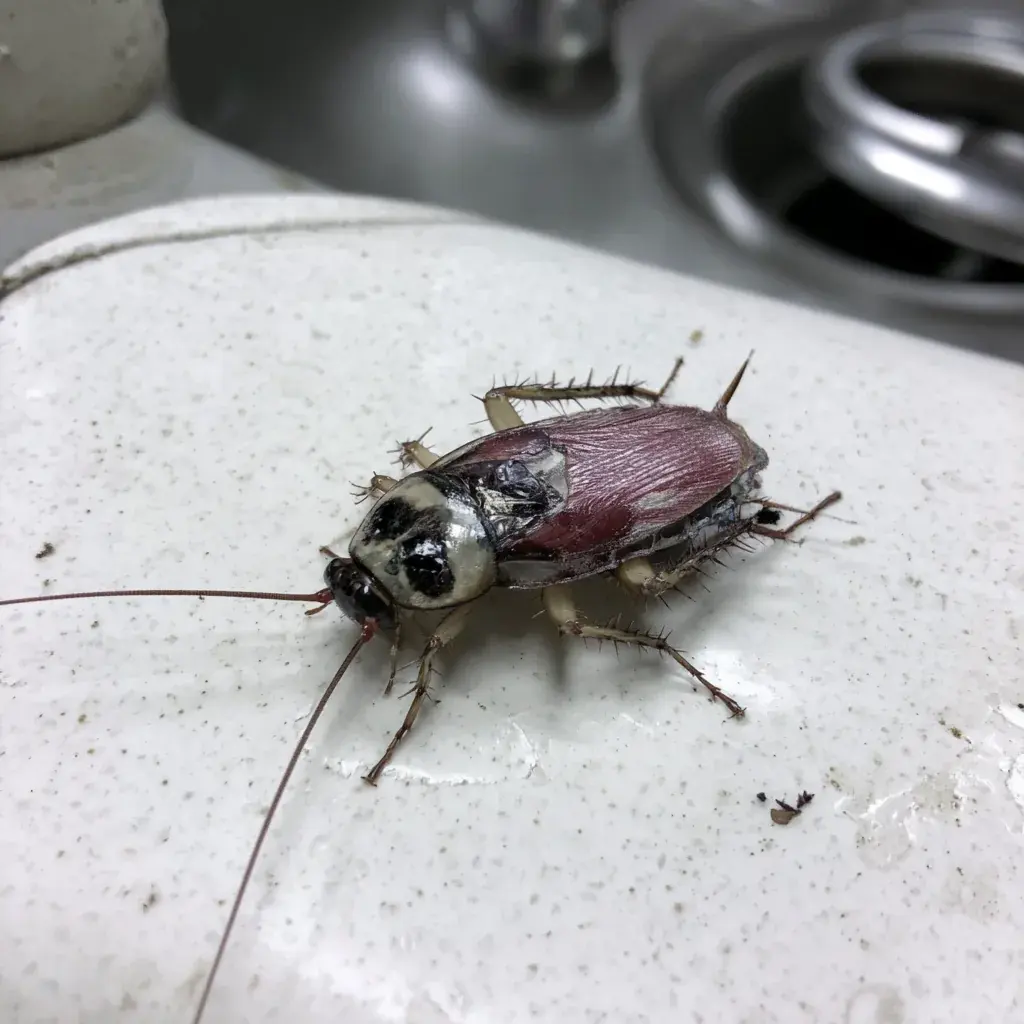
They show up on roughly a two-day lag behind the rain, and that timing is the clue itself. What it tells you…
Read articleNot really. The National Weather Service puts Tallahassee's first frost around late November and last frost in mid-March, with maybe 20 to 30 cold mornings a year. That knocks activity down some in December and January, but it is short and mild, not the hard freeze that breaks an ant or termite cycle for a season. By the time longer days return, colonies near Betton Hills or out toward Bradfordville are already stirring again.
Not really. Leon County gets cold nights near Lake Jackson and Lake Iamonia into December and January, but the county rarely sees a hard, lasting freeze. Ants, roaches, and termites around Betton Hills or Killearn Estates slow down rather than stop, then pick back up once temperatures climb. A licensed pro can still treat a Tallahassee home through winter; the pause in activity is partial, not a true off-season.
Termite risk here tracks the eastern subterranean termite, the species that actually matters around Tallahassee, not one tied to south Florida. Homes near Lake Jackson or Killearn Estates with mature tree cover and slab or pier-and-beam foundations see steady activity most of the year, since our short, mild winters slow it but do not stop it. A licensed pro can inspect and tell you what your property's soil, moisture and construction actually show.
Some of the most useful things to know about pests in Tallahassee never come up until something is already wrong. These articles cover the small stuff worth knowing beforehand, from seasonal patterns tied to the mild Leon County winter to what a pier-and-beam house near Indianhead Acres deals with that a newer slab home in Southwood does not. Read what applies to your situation, then get connected with the licensed pros we connect you with if it is time to act.
Call (850) 388-6192