Seasonal
Tallahassee Mosquitoes: Water You Control, Shade You Do Not
Two separate problems travel under one name: the water producing mosquitoes, and the shade the adults sit in all day. Skip either…
Read article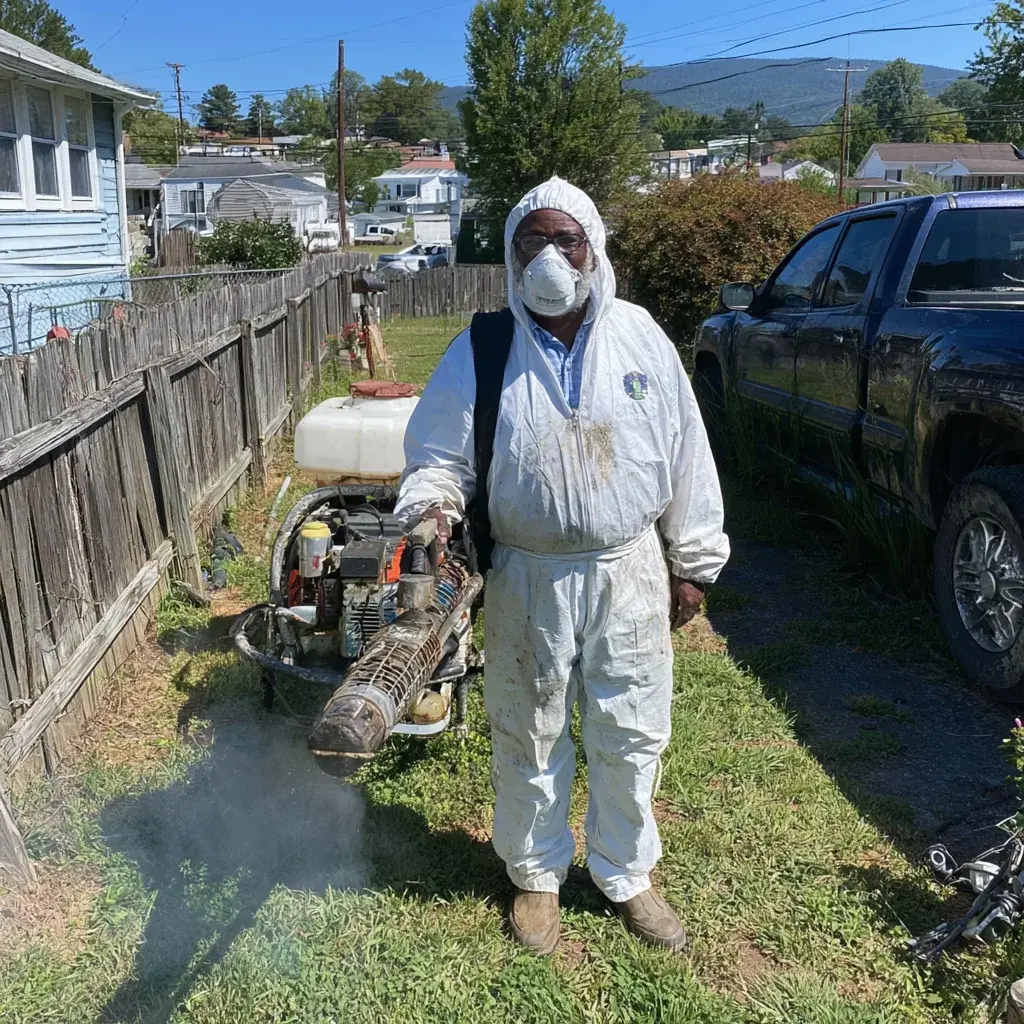
They spend the day in shade, not in your lawn. Treatment goes where they rest and where the water sits.
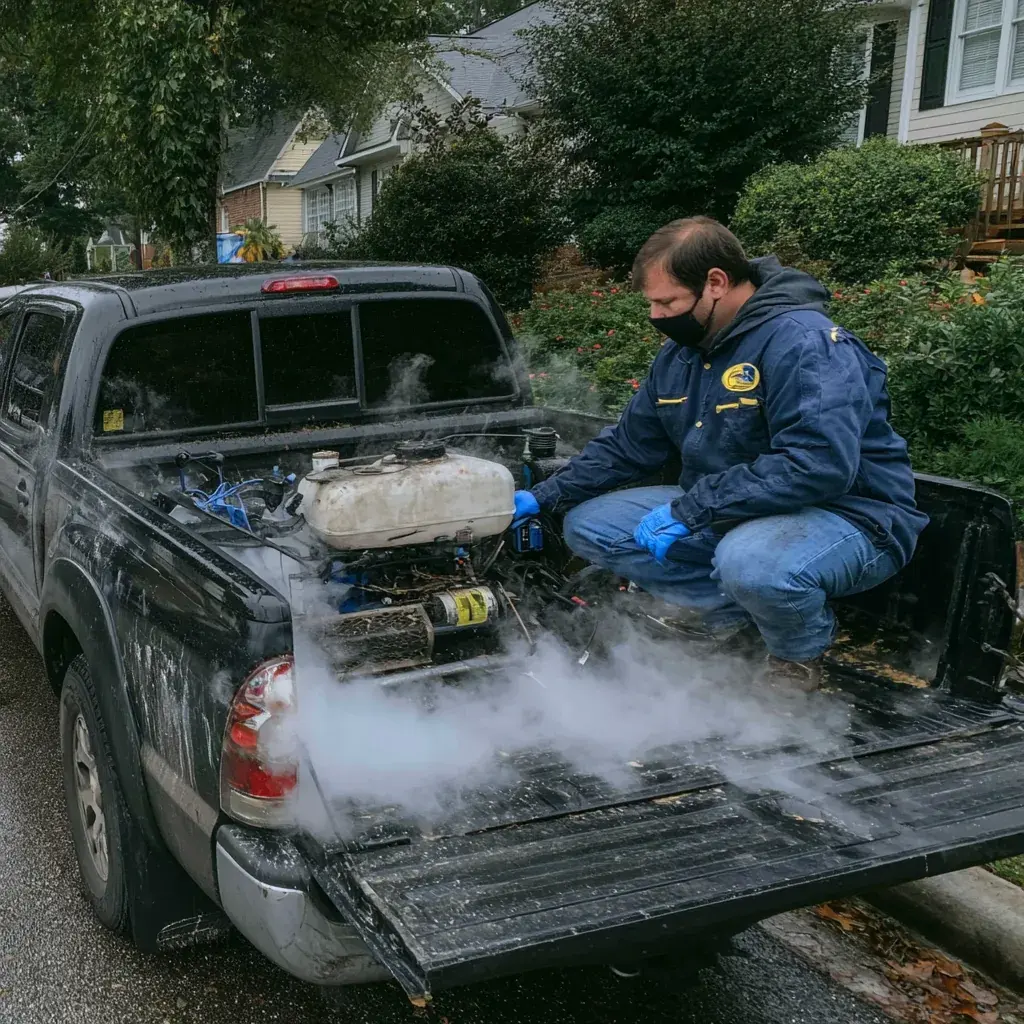
Mosquitoes do not spend the day in open air. They wait it out somewhere cool and still: the underside of ligustrum and azalea leaves, ivy on a fence, the dark side of a shed, a crawl space vent, the shaded strip behind an air conditioner. That is where a treatment has to land. A mist thrown across an open lawn in July reaches almost nothing that matters and is gone with the next thunderstorm. A yard visit worth paying for is slow, kept low to the ground, and spends most of its time in the parts of the property nobody sits in.
The other half of the job costs nothing at all. The striped daytime biters most people here are swatting breed in very little water and close to the house: a saucer under a pot, a corrugated downspout extension, a fold in a tarp, a sandbox lid, a clogged gutter, an old tire behind the shed. Tipping those out on a weekly rhythm removes more mosquitoes than any product does. An honest yard company will also tell you the limit. If the roadside ditch or the creek bottom on the far side of your fence is breeding them, your yard can be treated properly and you will still meet mosquitoes in it.
That ditch-and-creek limit plays out on real ground around Tallahassee: the stormwater ponds at Southwood hold standing water near the trail network and Central Park lake long after a storm, while out past Woodville the low banks along Munson Slough and Fisher Creek near Lake Munson stay damp for days. The licensed pros we connect you with will walk that edge with you and treat the yard side of the line, not the creek side.
West of the city, Lake Jackson pulls that same edge-of-yard logic somewhere colder and wetter than Ox Bottom's branch creeks or the bluffs upriver near Chattahoochee's stretch of the Apalachicola. Tallahassee lawns backing onto that shoreline hold standing water in low corners long after a storm passes, and mowed grass gives way to reeds within a few feet of the property line. The licensed pros we connect you with know that boundary changes shape by the season, and they treat the yard accordingly, not the lake.
We run mosquito and tick control right across Leon County, whether you're in Bradfordville, Midtown, Crawfordville, or elsewhere around Tallahassee. Sandy fill, wood sitting close to grade and water standing in a low corner after a thunderstorm are what keep container-breeding yard mosquitoes going in this part of Florida, so those are what the work is aimed at.
The bulk of this is private houses, and residential pest control sets out what a visit involves. Tenanted stock, shops and anything trading sits on commercial pest control.
Afternoon bites mean container breeders rather than the dusk species, and that distinction is worth money. These barely travel from where they hatched, so whatever is feeding them is almost certainly inside your own fence. Evening bites in the same yard are a different insect with a different source, usually the ditch or the low ground beyond it.
Chiggers wait at the edges, in pine straw, scrub and the tall grass along a wood line, and they climb until clothing is tight against skin. That is why the welts sit in a band at the ankle and the waistband. The itch arrives hours later, usually that evening, so yesterday's yard work rarely gets the blame. A hot soapy shower straight after clearing an edge prevents most of it. See a doctor if a bite looks infected.
Fine tweezers, gripped as close to the skin as you can get, pulled steadily rather than twisted. Nothing burning, no petroleum jelly, no folk remedies. Drop it in a sealed bag and write the date on it, because that bag and that date are what a doctor will want if a rash or a fever turns up in the following two weeks.
A bottle cap is enough, which is why this has to be a walk rather than an assumption. The usual suspects here: saucers under pots, the ridges inside a corrugated downspout extension, a gutter carrying half an oak tree, the fold in a boat tarp, a wheelbarrow nobody tipped up. Doing that circuit weekly removes more mosquitoes than any product does, and it costs nothing.
The survey goes where you would not sit: behind shrubs, along fence bases, under decks, at vent openings. Resting sites and water sources both get written down before anything is mixed.
Material goes onto the undersides of dense foliage, into ground cover and along shaded structure. Blooms get avoided, and open turf gets very little, because that is not where mosquitoes are hiding at noon.
Whatever can be tipped out or drained gets dealt with on the spot. Water that has to stay, like a rain barrel or an ornamental basin, takes a larvicide labeled for it instead of a spray.
Foliage treatments fade under sun and heavy rain, so a working program runs on a cycle of a few weeks with extra attention to the tick edge, rather than one visit in May.
These two are the yard pests where the aim is not comfort alone. Mosquitoes and ticks both bite people and animals, and the sensible goal is fewer encounters rather than a promise of none. Cutting the resting sites, draining the water and keeping the wood line trimmed back changes how often anyone in the household gets bitten, which is a result you can actually notice from the porch.
Florida splits this work inside one department. Structural pest control in and around a home falls to the FDACS Bureau of Entomology and Pest Control under the Structural Pest Control Act, while farm and general pesticide applicators are licensed on the agricultural side. Lawn and ornamental pest control is a certification category of its own again. The three are often confused. When a company quotes yard work at a residence, it is fair to ask which category it holds.
Certification in this state comes category by category, and the license is a separate thing again: section 482.071, Florida Statutes covers the business license and its renewal, and the department sets that fee within a range the statute fixes. So a company holding a license is not automatically covering every kind of work it might offer you. Ask which categories its certified operator holds for the service being sold.
Ask what the price covers before you agree to it. A one-time treatment near Cascades Park and a year-round plan near Killearn Estates are not the same cost or the same coverage.
| One-time fix | Short-term relief | Full elimination |
|---|---|---|
| Typical Use | Pest Control Near Betton Hills, Midtown and Killearn Estates | an estimated $60–$145 |
| Ants, roaches, wasps | why humid clay soil around Betton Hills keeps pest calls steady | an estimated $70–$210 |
| Ongoing prevention | Pest Control Serving Betton Hills, Killearn Estates and Midtown Tallahassee | an estimated $105–$335 |
| Subterranean termites | Termite and ant pressure near Bradfordville, Southwood, and Frenchtown homes | an estimated $165–$555 |
Cost depends on the pest, the property size, and whether one visit or ongoing coverage fits better. A Betton Hills bungalow and a Southwood new build rarely price the same.
No, and anyone who says otherwise is selling something. What a treated yard has is far fewer resting sites and far less breeding water, which drops bites to the point where the porch is usable again. That is the honest deliverable. They still fly in from beyond your fence, and if the far side of it is a drainage ditch, a creek bottom or a neighbor with a stack of forgotten containers, some of the pressure is nobody's to treat.
Every three to four weeks through the warm months, and the warm months here run from early spring until the nights properly cool, which some years is December. Weather sets the interval rather than a calendar: two weeks of afternoon storms pulls the next visit forward, a dry stretch pushes it back. A program that never moves its dates is being run off a spreadsheet rather than off the yard.
An estimated $95 to $145 a visit on an ordinary residential lot, and yes, a season program works out lower per visit than calling each time, for the same dull reason as everything else on this site: the survey gets paid for once. Acreage, how much dense planting there is and how much standing water the property holds all move it. Guide range rather than a quote.
Yes, and say it before anything is mixed rather than when somebody arrives with it. Walk the hives, the beds and any wellhead with whoever turns up. The treatment then stays off blooms and off the beds entirely, weighted onto foliage undersides and shaded structure, with the timing chosen around when the bees are out. Get the product name and the re-entry interval written on your ticket, which you are entitled to ask for anyway.
Chiggers, and the pattern gives them away: they climb until clothing is tight against skin, so the welts band at the sock line and the waistband rather than scattering. They live at the boundary between mown grass and rough ground, not out in the lawn, so what helps is short grass, pine straw pulled back off the paths, and treatment along the edge rather than across the middle. A hot soapy shower straight after clearing an edge prevents most of it.
Usually yes, provided nobody pretends otherwise first. Clearing your own resting sites and containers cuts the population you actually sit in quite sharply, and none of that touches the ditch, which belongs to somebody else. The households who do best in that position are the ones who talk to the neighbors either side and get all three yards treated in the same week, because a treated yard between two untreated ones is refilled from both directions.
The paperwork is the real comparison point. Florida requires a wood-destroying organism inspection on form 13645, kept on file for three years, and a termite contract stating upfront whether it covers subterranean or drywood termites. Any Tallahassee homeowner near Southwood or Midtown can ask to see both before signing.
Slab foundations near Lake Jackson mean subterranean termite access from the ground up
Two separate problems travel under one name: the water producing mosquitoes, and the shade the adults sit in all day. Skip either…
Read article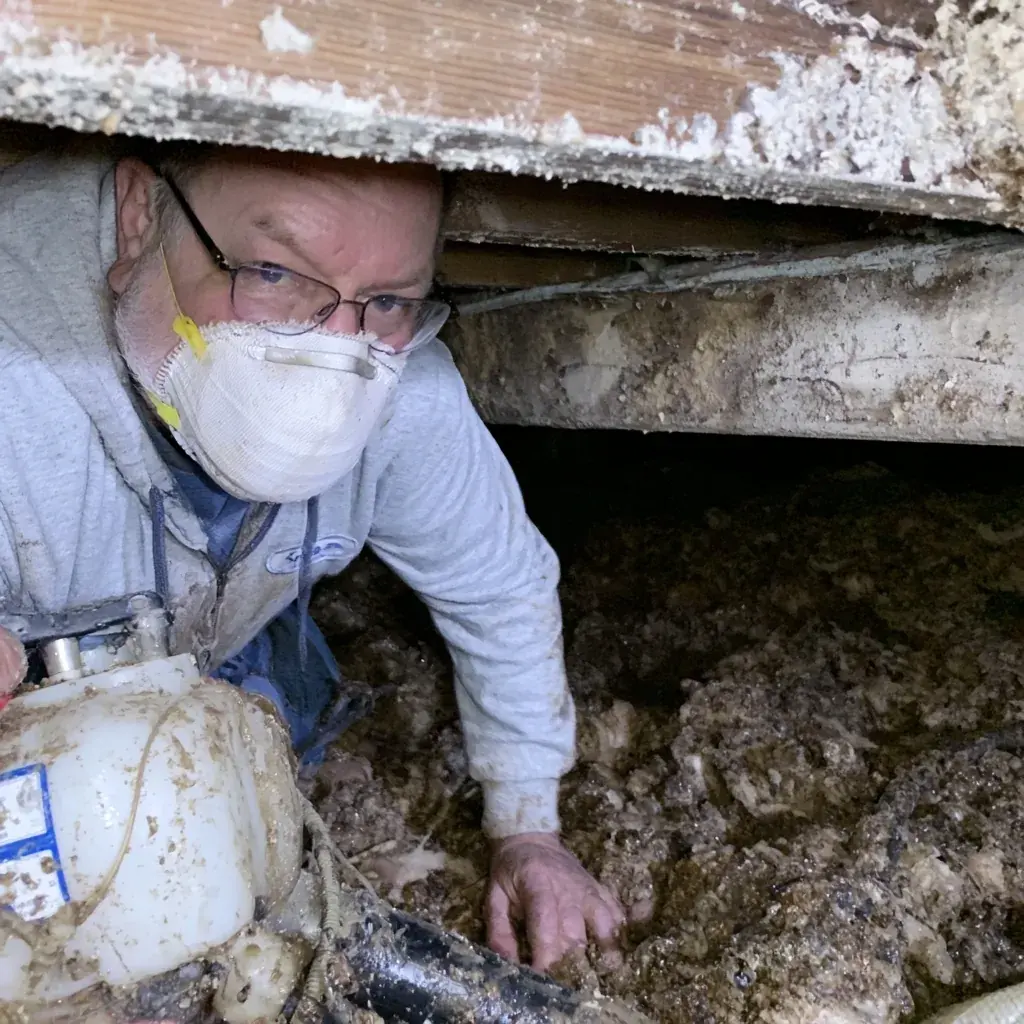
Twenty percent is a scoreboard, not a verdict. Here is the order to work through, and what each step actually costs toward…
Read article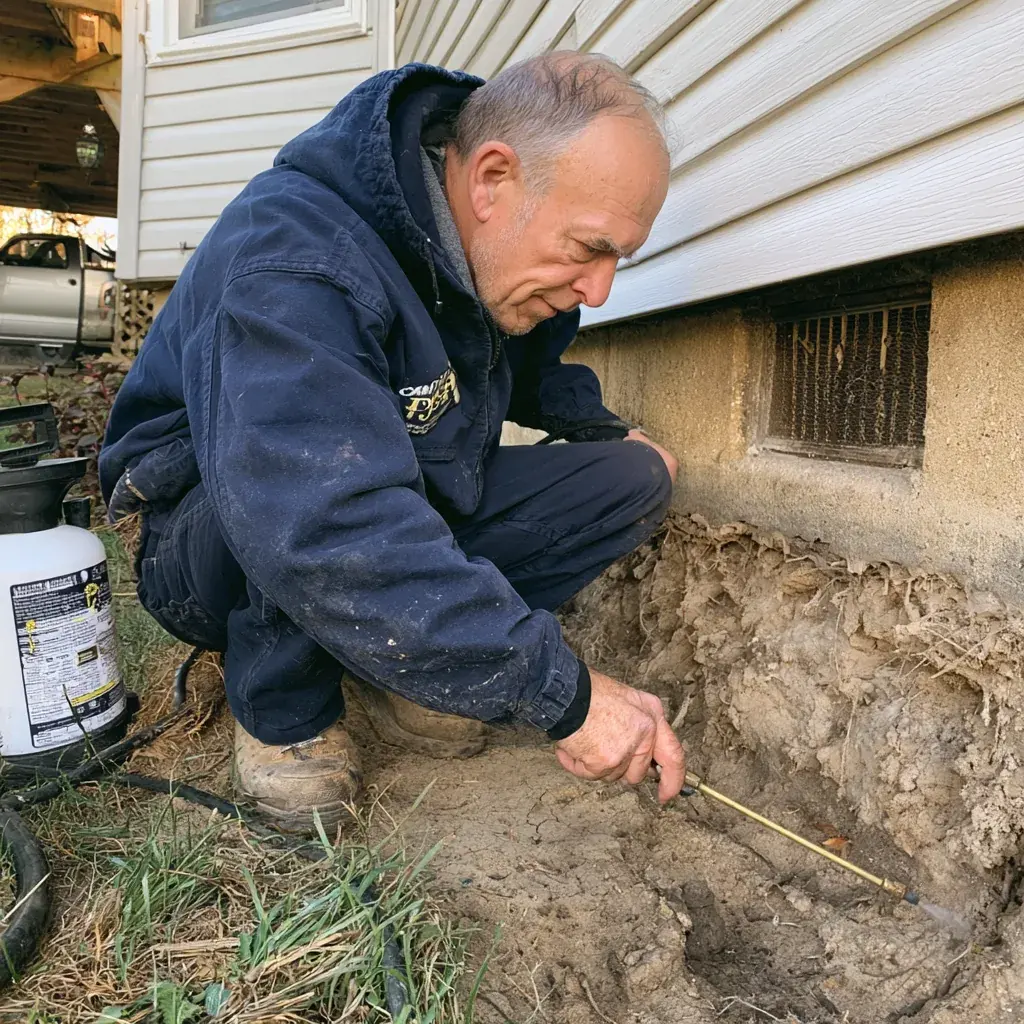
Two quotes on the same Tallahassee street can land hundreds of dollars apart with neither company in the wrong. Nine times out…
Read articleSame day when there is room in the diary, and a real arrival window given at the time you book. Coverage runs through Tallahassee and out across Leon County.
Call (850) 388-6192