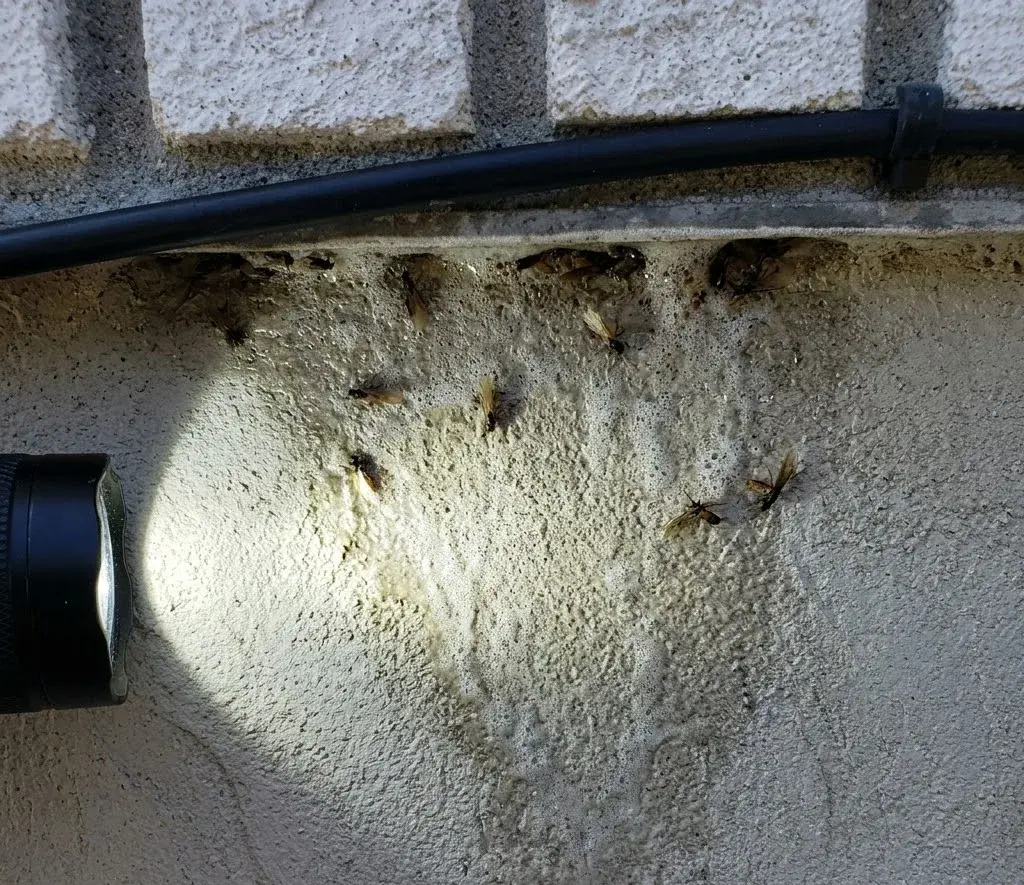
Termite Control
February through October, three species behaving differently, and a contract whose renewal fee matters more than its headline…
Learn about Termite ControlSouth of town the water table is shallow enough that the ground stays wet underneath even through a dry August. Termites never get a quiet spell here, and homes set on piers need looking at from below.
Woodville is where the red clay of north Leon County gives out and the flatwoods start. The soil is sand, the water table is close, and the Apalachicola National Forest runs along the west side, so the pest work here has more in common with Wakulla County than with a house six miles north of the Capitol. Termites are the constant. Damp sand under a slab does not cool down enough in a Big Bend winter to stop a subterranean colony, so activity carries through months when a homeowner is not thinking about it, and swarms begin in late winter. Fire ants take every open yard, and a septic drain field is the warm soft ground they like best, which puts the mound exactly where somebody has to walk. Wildlife is routine rather than occasional: armadillos digging the beds, raccoons and opossums under decks and in attics, snakes moving along the forest edge in warm weather. A good share of homes are manufactured or modular on piers, which shifts the work toward closing in the underside and away from anything sprayed.
The eastern subterranean termite is the real risk in Woodville, swarming through warm, humid spring weather rather than on a fixed date.
Housing in Woodville runs to frame houses on large lots alongside a substantial number of manufactured homes on piers, with slab build filling in from the 1990s. That single fact decides where a search starts. Under a raised floor there is somewhere to crawl and a skirt worth closing; on a slab there is neither, so the work moves out to the perimeter and the first foot of soil against it.
Around Woodville, water is why the season never really stops. Munson Slough holds humidity up through the mild months, so the quiet stretch other markets get in January is a slowdown here rather than a break.
Flatwoods sand over a high water table stays damp underneath through the driest weeks, so termite pressure never really pauses. Warm, humid months push subterranean termite swarming, but the mild winters mean the licensed pros we connect you with field calls in every season, not just spring.
Whether a house sits on slab or over a crawl space changes what a treatment plan looks like, and the plan is what sets the price.
| Service | Estimated cost |
|---|---|
| Termite Control | an estimated $425–$1350 |
| Fire Ant Treatment | an estimated $89–$229 |
| Wildlife Removal | an estimated $175–$525 |
| General Pest Control | an estimated $89–$239 |
Public woodland along the western edge. Wildlife pressure on the properties beside it is continuous, so sealing the building beats removing animals one at a time.
A shallow lake fed by the slough that carries the city's stormwater. It holds vegetation and standing water, and the streets nearest it feel it in mosquito season.
February through October, three species behaving differently, and a contract whose renewal fee matters more than its headline…
Learn about Termite Control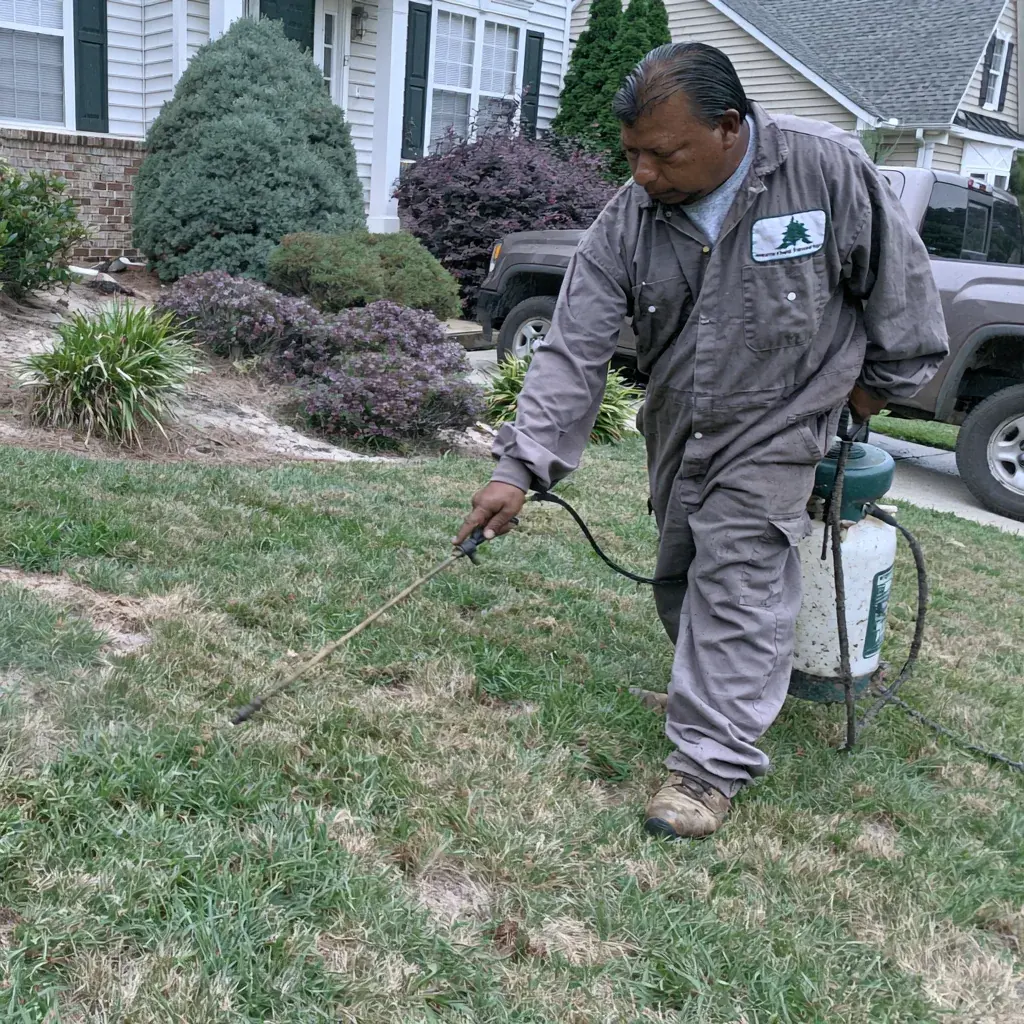
Sand drains fast, a drenched mound is back inside a week, and pouring something on top just relocates the colony a few feet over.
Learn about Fire Ant Treatment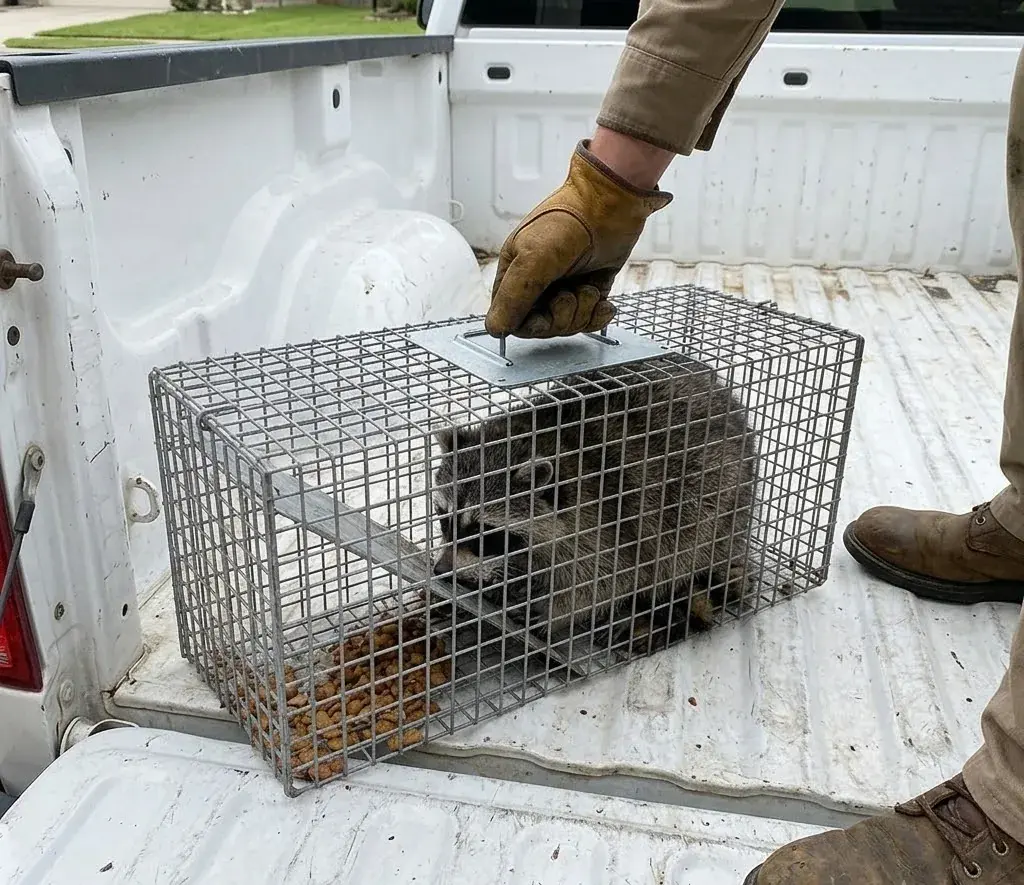
This is mostly carpentry with an animal caught in the middle, and four months a year when bats are simply non-negotiable.
Learn about Wildlife Removal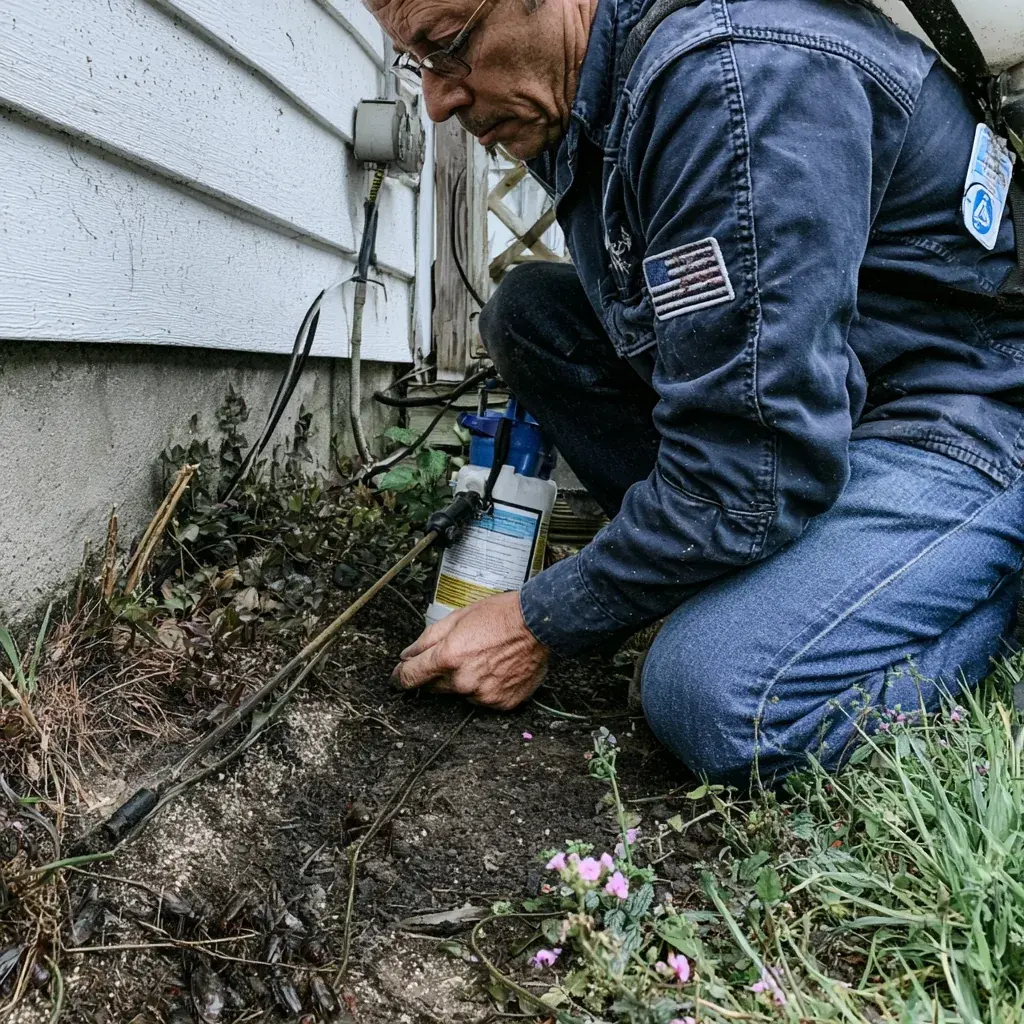
Almost all of it happens outdoors, in the eighteen inches of ground nobody ever looks at.
Learn about General Pest ControlYes, and it needs a bit of thought rather than a blanket application. A drain field is warm, soft and well drained, which is why the mound is there, and it is also ground you do not want saturated with liquid. Bait works well in that situation because the colony carries it down itself, and it can be placed around the mound rather than over the whole field. Tell whoever is treating that the field is there. It changes the method, and finding out afterwards helps nobody.
New build in Florida gets a code-required termite pretreatment and the builder has to leave a durable notice fixed near the water heater or the electric panel saying who treated it and when. Go and read yours, because it tells you the date the clock started. That treatment is a good beginning and it is not permanent, and on this ground it is working harder than the same treatment would in town. A house with no continuing agreement is a house relying on a treatment that may be fifteen years old.
That is the forest edge, and the honest answer is that the aim is to make your building and the ground right around it unattractive rather than to clear the area, which cannot be done. What helps is cutting the harborage: woodpiles off the ground and away from the wall, sheet metal and boards picked up, grass kept short in the strip nearest the house, and the underside of any pier-set structure closed in. Reducing rodents matters as well, because a steady food supply is what keeps a snake coming back.
Worth it for the yard, useless for the slough, and you should hear both halves before you buy. Treatment reduces the adults resting in your shrubs and shade during the day and removes the water you actually control, and on a property with containers, a blocked gutter or a low corner that holds runoff, that is a real difference. It will not change what breeds in the slough or the ditches, and no legitimate service claims otherwise.
Newer subdivisions are built on slab; a lot of the older housing stands on piers with an open space beneath the floor. Neither has a basement. Which of the two you own in Woodville decides where a licensed pro looks first for termite entry or moisture damage.
Nothing to pay and nothing to sign, and the photographs and the written figure are yours to keep whether you go ahead or not.
Call (850) 388-6192