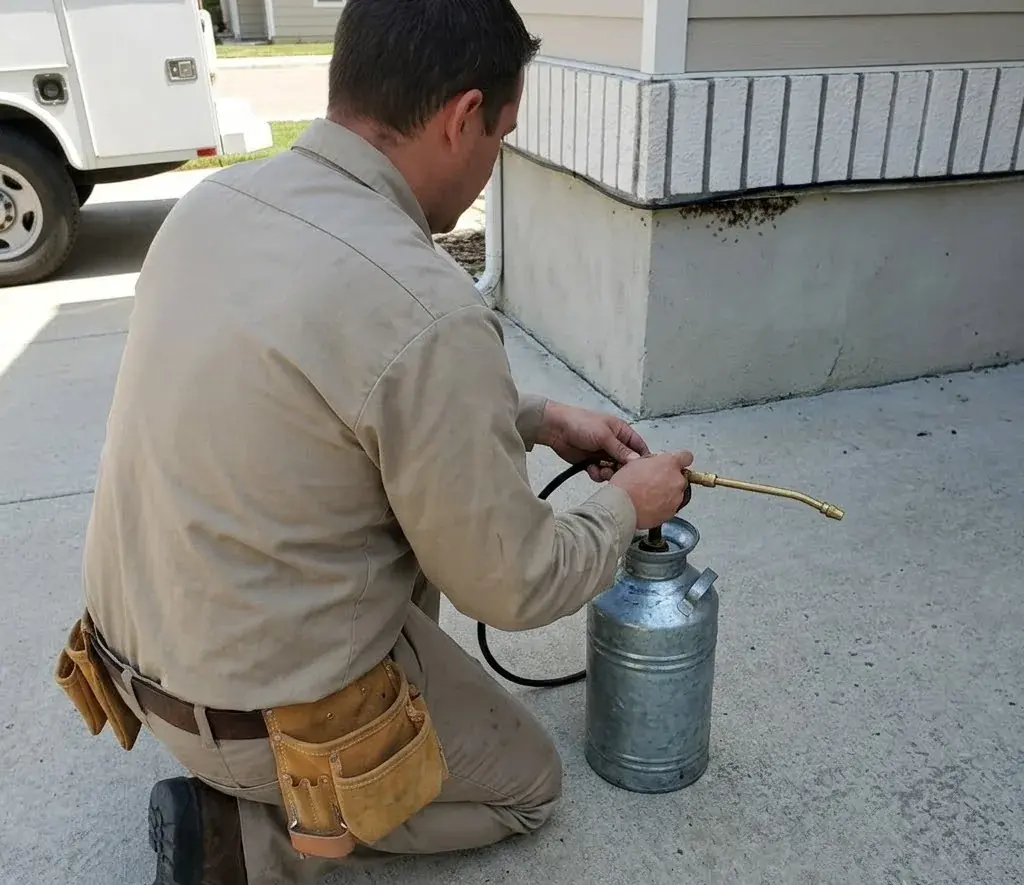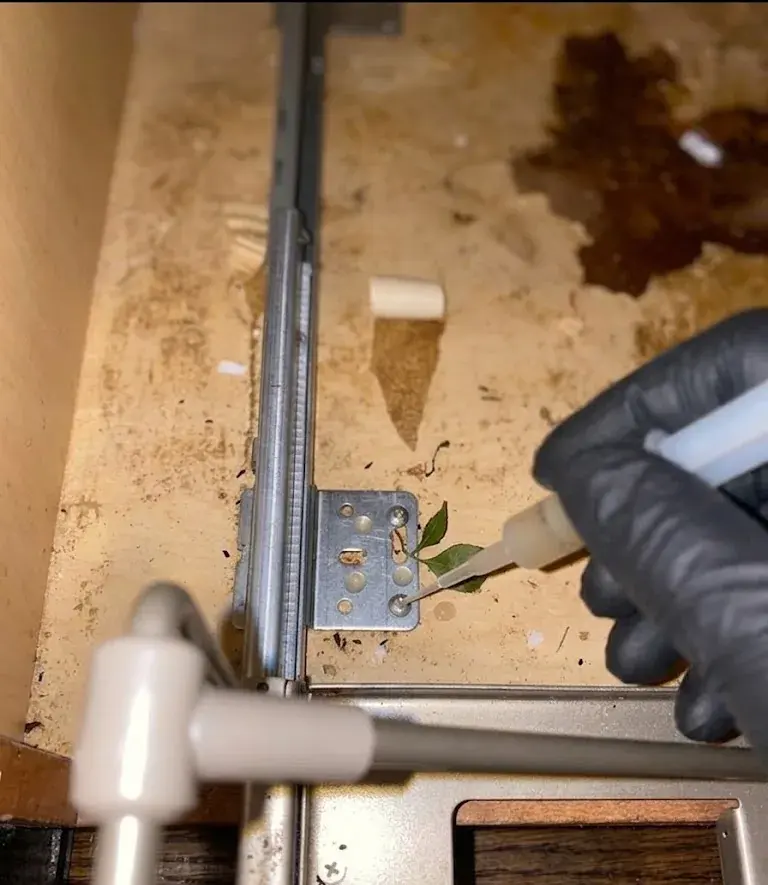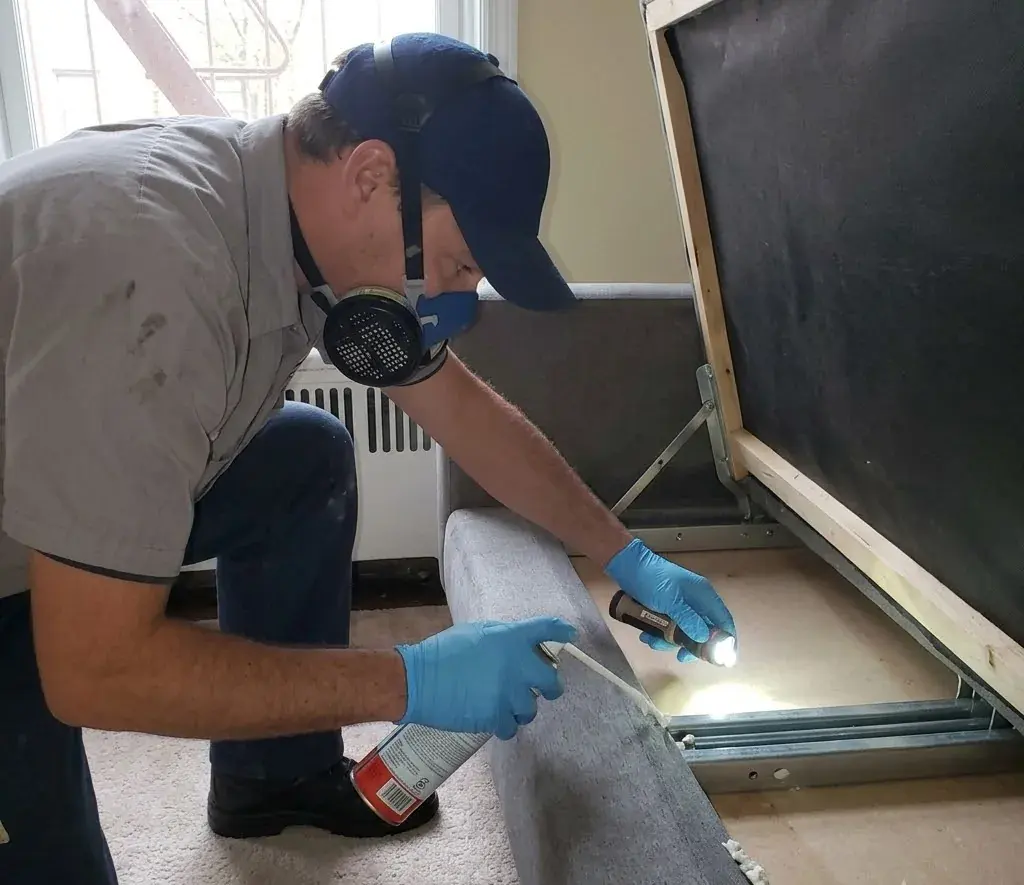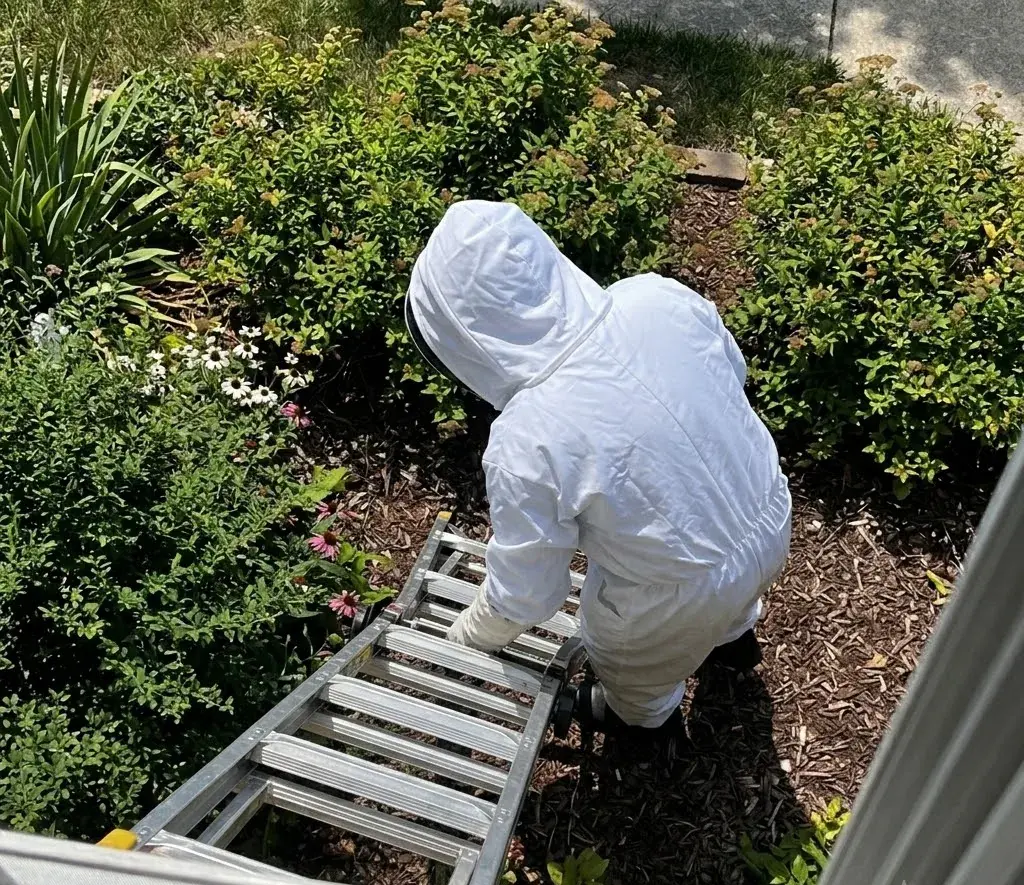
An August move in this town is a great many decisions crammed into a very short window, and pests are nobody's priority right up until they are. The useful version of this advice is short: a few things ride along with the furniture, they travel inside objects rather than under their own steam, and twenty minutes spent looking at the right objects at the right two moments is the whole prevention plan. If you are moving in or out during the changeover, here are those two moments and the things worth checking.
What actually travels, and what does not
Almost nothing walks from one address to the next. What moves is whatever gets carried.
- Bed bugs: mattresses, box springs, bed frames, headboards, upholstered chairs and couches, and the seams in soft luggage.
- German cockroaches: cardboard cartons, small appliance housings, microwaves, coffee makers, and the back of anything electronic.
- Pantry pests: opened flour, rice, pet food, birdseed and spices. The commonest stowaway of the lot, and the least serious.
- Fleas: pet bedding, travel crates, and vacuum bags.
- Spiders and the occasional wasp: anything that sat in a garage or shed and got loaded without being opened.
Before the truck arrives: the pre-load check
Do this before a single thing gets wrapped, because once a mattress is bagged and a carton taped it stops being inspectable at all.
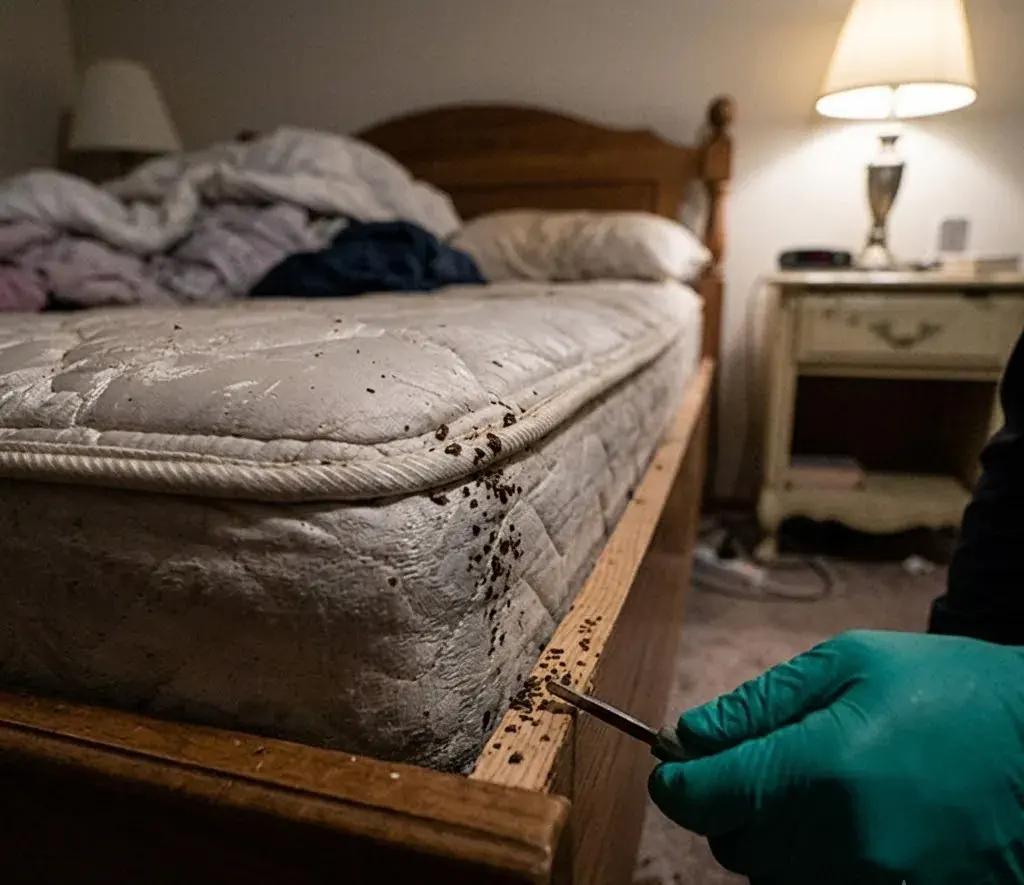
Take a flashlight and hold the beam at a low angle across the surface instead of pointing it straight on, so the texture stands out. Work the mattress seams and piping first, head end before anything else, then the box spring, then the frame joints and the underside of the headboard where it sits against the wall. What you are hunting for is small dark spots like ink dots, pale shed skins, and the insect itself, flat and about the size of an apple seed. Then the upholstered furniture: seams, beneath the cushions, and the fabric stapled under the frame. Then the cartons, above all any that have spent time in a kitchen or a garage.
Temporary lodging, without becoming that guest yourself
Most moves involve a hotel, a rental, or a friend's spare room somewhere in the middle of it. The habits below take about a minute and they work in both directions, protecting you from the room and the room from you.
- Set luggage in the bathroom, or on the rack away from the wall, while you look. Never on the bed.
- Pull the sheet back at the head of the mattress and read the piping, plus the seam behind the headboard.
- Check the armchair in the corner, which nearly everybody looks at less carefully than the bed.
- Keep every bag closed and up off the floor for the entire stay.
- On the way out, put everything washable through a hot wash and a full dry cycle rather than straight back into a drawer.
The storage unit nobody ever inspected
Storage is where a clean load turns into a problem, and the reason is simple enough: things go in during one rushed week and come back out months later having never been opened. Cardboard sitting in a warm unit is exactly the material German cockroaches want, and any unit shares its walls with other people's belongings.
Where part of the load is going into storage, use lidded plastic totes rather than cartons wherever possible, store no opened food or pet food whatsoever, and open and check everything on the way out instead of carrying sealed boxes straight into a new house. If the facility has any history of mice or roaches, that is worth knowing before signing for the space rather than after.
Secondhand furniture, and this town has plenty
Around Tallahassee a steady flow of perfectly decent furniture moves through yard sales, local sale pages, thrift stores and curbsides, because in a university town somebody is always leaving. That is genuinely useful for setting up a house quickly and cheaply. It is also the single most reliable way to carry bed bugs into an otherwise clean home.
Nobody needs to avoid it. Inspect the thing in daylight before it goes into the vehicle, running the same routine: seams, joints, staples, the underside, and every place two pieces of wood meet. Skip upholstered items and mattresses left at a curb altogether, because the reason somebody left them is not information available to you. And when a piece does come home, unpack and check it in the garage or out on the porch rather than in a bedroom.
On arrival: unpack everything in one place
Give yourself a staging area, a garage bay or one hard-floored room, and open everything there. Break cartons down as they empty and get the cardboard out of the house that same day instead of stacking it in a closet against the next move. Cardboard is harborage, and a stack of it in a warm utility room is an open invitation.
Set the beds up last, and look over the frames and mattresses once more as they go in, under the new light. Ten minutes of work, and it is the one moment where a problem is still contained in a single object rather than a whole house. Walk the place while it is still empty as well: gaps under doors, plumbing penetrations beneath the sinks, the crawl space or the slab bath trap access, and whatever the previous occupants left behind. An empty house reads far more clearly than a furnished one ever will.
Never strip the beds before an inspection
This is the piece of advice people reliably get backwards, so it is worth stating plainly. If bed bugs are suspected and somebody is coming out to look, leave the bedding exactly as it is. Do not wash everything, do not bag it all up, and do not put the mattress out on the curb before anybody has laid eyes on it.
The evidence sits on the sheets, inside the mattress seams and along the frame, and stripping a bed destroys the pattern telling an inspector where the population is centered and how established it has become. Bagging and washing also carries material around the house. It is the same reason not to open with a store-bought spray, which scatters a population deeper into voids and makes the real treatment longer and harder. Report it, leave it alone, get somebody to look at it.
If something did come along with you
It is a treatable problem and it reflects on nobody. Bed bugs travel with objects rather than with housekeeping, and anybody who has moved three times in six years has simply had more opportunities to collect something. What matters is catching it while it is still confined to one room.
In a rental, put the report in writing to whoever the lease names and keep your own copy, because the landlord duty to keep a place fit and habitable runs the length of the tenancy under state law, and a dated record makes that duty straightforward to act on. The licensed local pros we connect you with work across Tallahassee, Bradfordville, Killearn Estates and Crawfordville, and they inspect before they quote. If the furniture is still sitting on the truck, say so on the phone, because timing an inspection before the unpack changes what the job costs.
Dealing with this in your home?
Bed bugs travel in luggage and boxes, not seasons, so Leon County calls do not slow down each winter the way ant and roach calls do. Semester turnover near Tallahassee Community College and the moving trucks along Tennessee Street give this city its own steady source of new introductions every August and January.