A couple of hours after a thunderstorm rolls off the Ochlockonee valley, a bug roughly the size of a thumb scuttles across the hall. The kitchen has not changed. No food was left sitting out overnight. What did change is that the ground outside is suddenly waterlogged, whatever was living down there needed a new address fast, and the nearest one with a crack in it was the house.
Rain relocates roaches, it does not create them
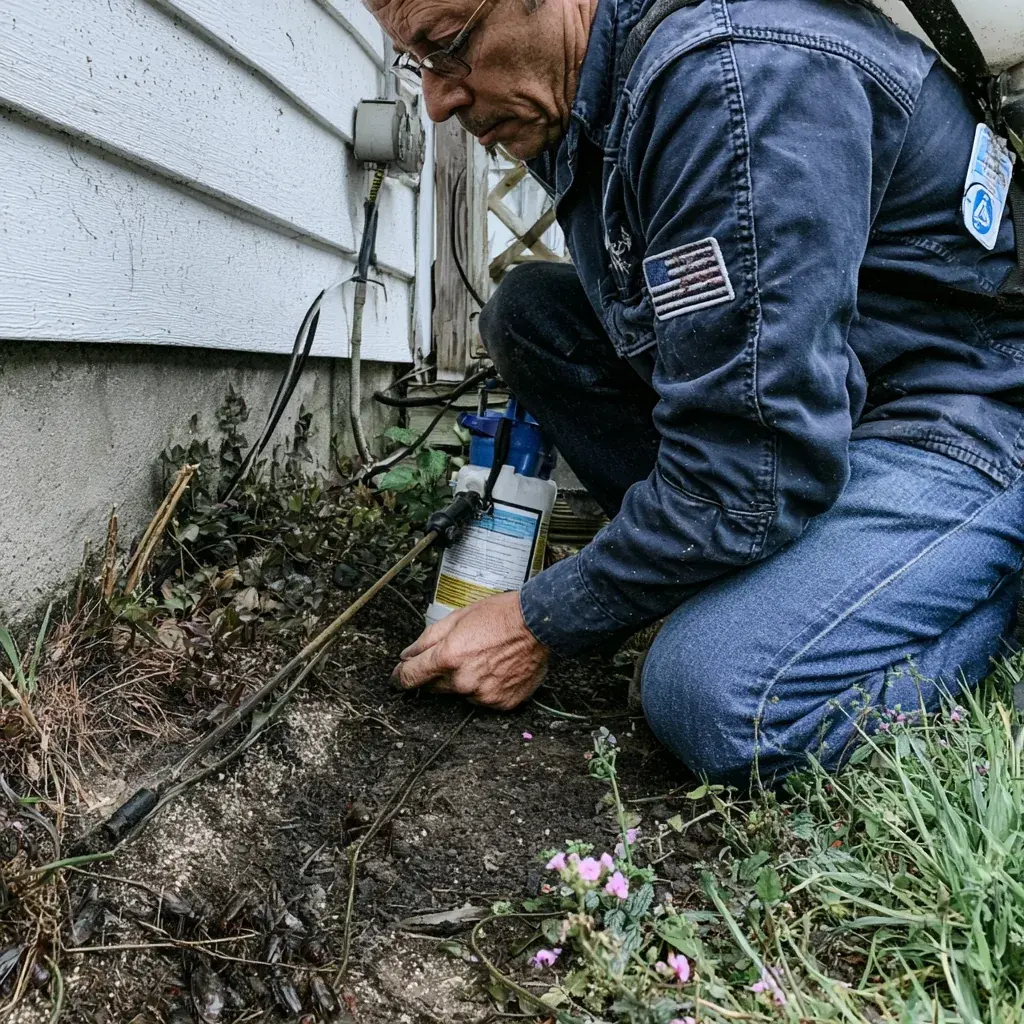
The large roaches showing up after a downpour were already living outside, in mulch, leaf litter, pine straw, tree holes, sewer lines and crawl spaces. A heavy rain floods those spots out and pushes everything up and outward. A house, being dry, warm and riddled with cracks, is exactly what collects the overflow. Which is why the problem shows up in bursts tied to the weather rather than building steadily week over week.
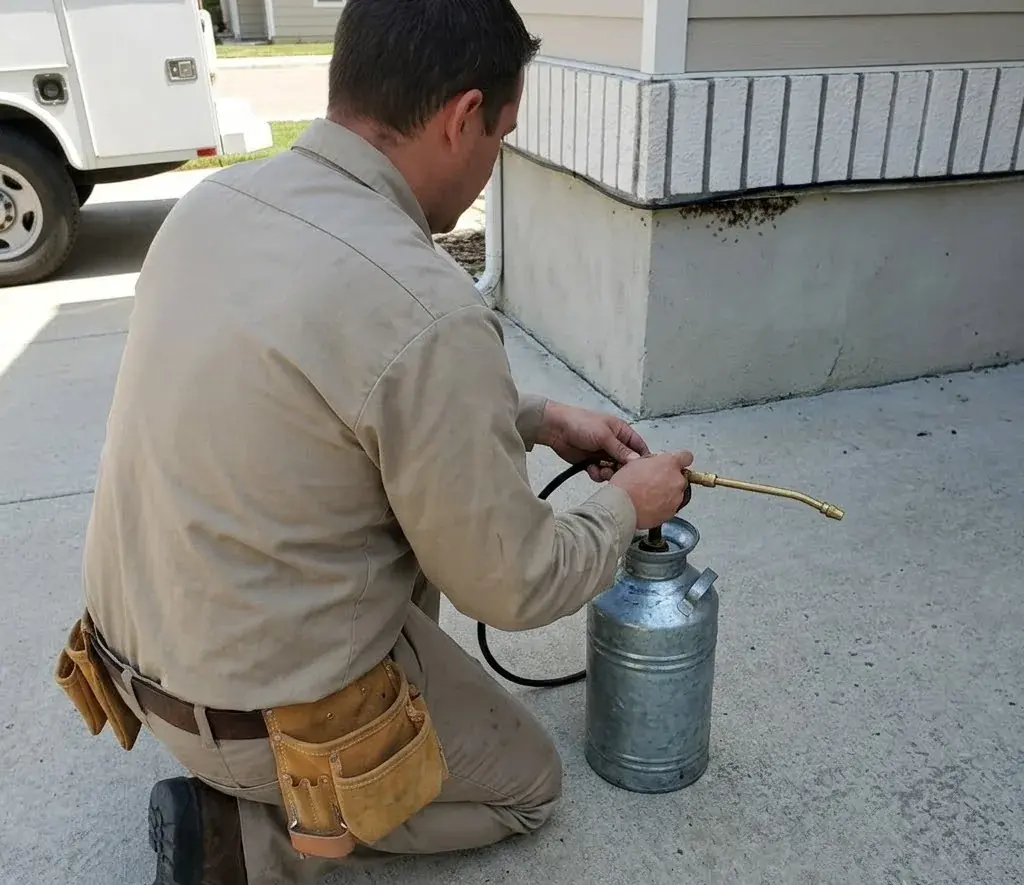
It is also why the fix itself takes place outside and underneath, not indoors.
American, smokybrown or German: the split that matters most
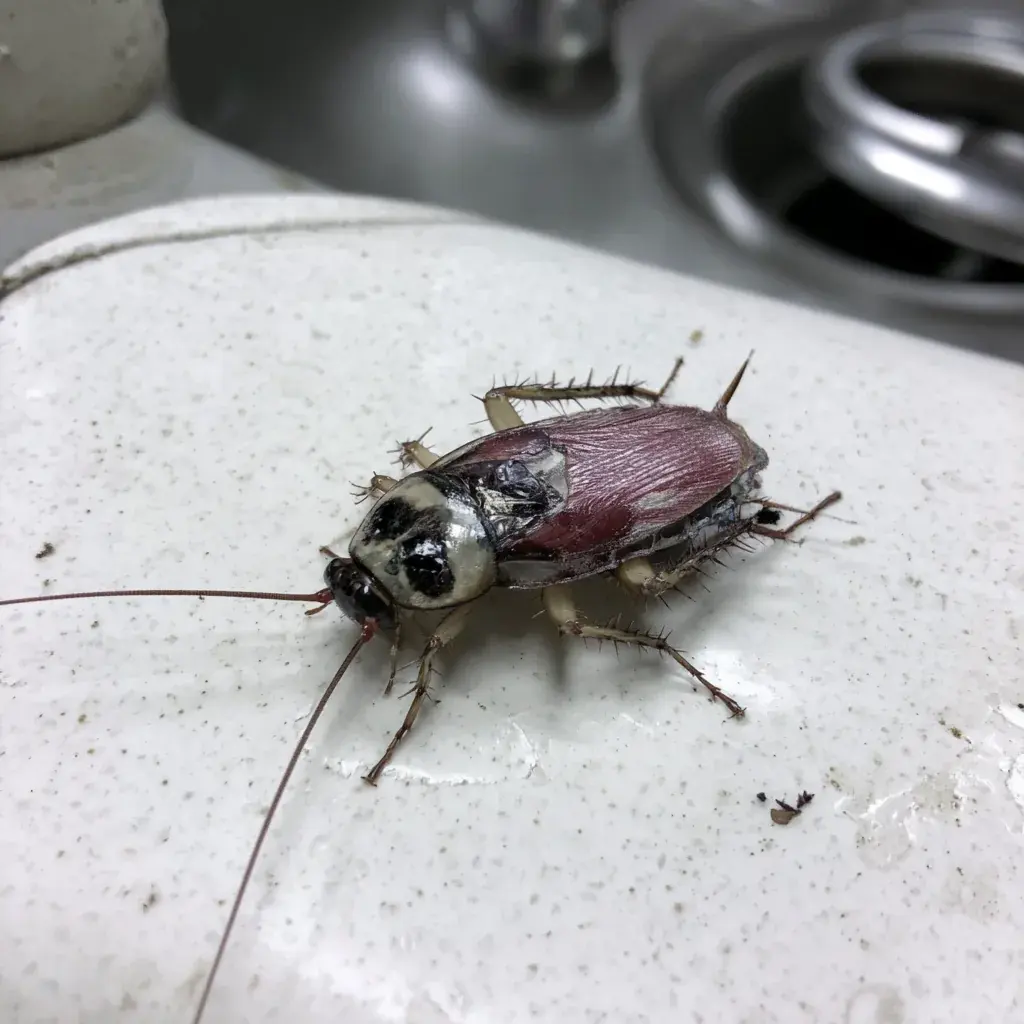
American roaches run large, reddish brown, with a pale marking behind the head. They live in sewers, drains and damp voids and wander in from exactly those places. Smokybrown roaches come in a uniform dark mahogany, fly well, and live in tree cavities, pine straw and attic voids, which is why they turn up so reliably on the wooded lots running through most of north Leon County. Both count as what locals call outside roaches, and for both, the answer is the same: perimeter and moisture.
German roaches are an entirely different problem, and the distinction actually matters. Small, tan, with two dark stripes behind the head, they breed indoors and stay close to food and warmth. Small roaches spotted in the kitchen at night point to an interior population rather than a rain event, and the whole approach changes accordingly.
What the ground does with all that water
Red Hills clay sheds water fast at the surface and then holds onto the damp further down and under any structure sitting on it. A yard can look bone dry an hour after a storm while the soil under a crawl space, or pressed against a slab, stays wet for days afterward. Pine straw beds, which cover nearly every landscaped yard around here, hold moisture well and sit right up against the foundation. Put those two facts together and you have most of the local roach story right there.
How they actually get inside
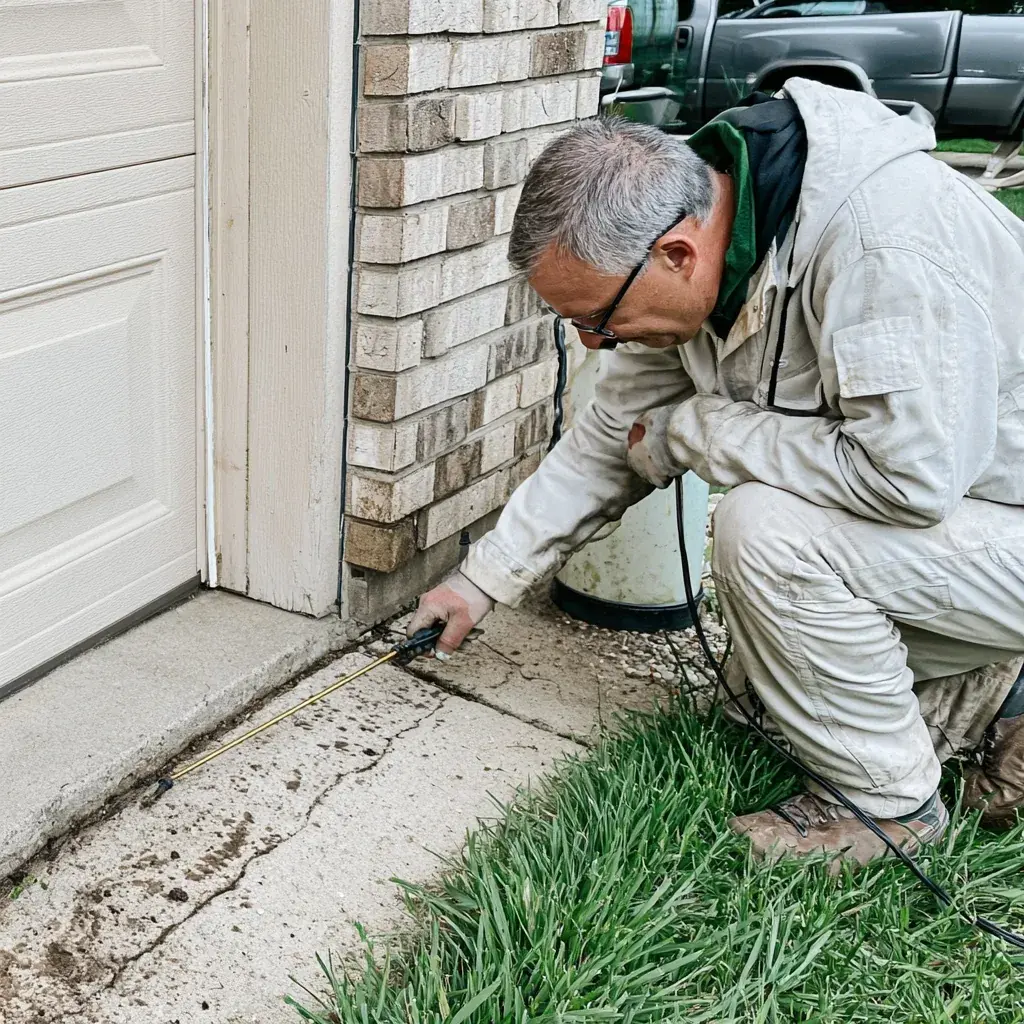
On a crawl space house: through the foundation vents, through gaps around plumbing and wiring penetrations, and up into the floor system wherever a bath or kitchen line was cut too wide. On a slab house: under exterior doors with worn out sweeps, through the gap behind a hose bib, up a plumbing chase, or out of a bath trap. Garages are a favorite route on either type, since the door seal is usually the weakest one on the whole building.
Why a kitchen spray never holds
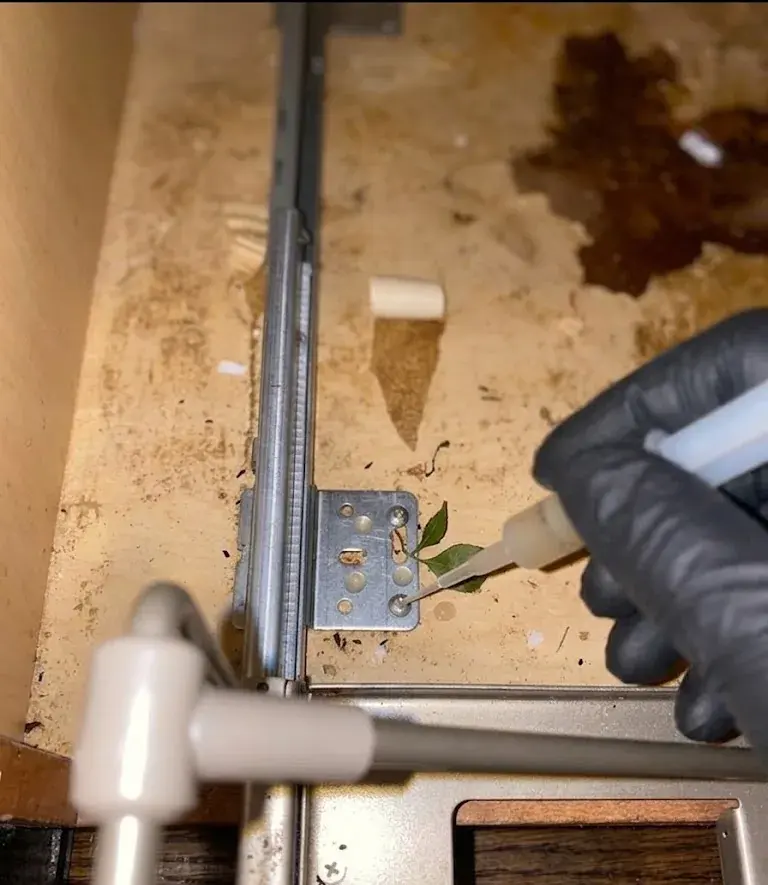
A baseboard spray kills whatever roach happens to walk over it and does absolutely nothing about the ones still sitting in the mulch bed. Inside a week, the next storm sends another wave through the same gap. Interior treatment does have a place, particularly in the cracks and voids where they hide, but if the source is outside and the entry point is still open, all that is happening is treating symptoms on a schedule the weather is setting, not you.
A week of small fixes that actually holds
Pull the pine straw and mulch back a few inches from the foundation so the wall gets a chance to dry. Get firewood up off the ground and away from the house. Clear leaf litter out of the gutters and fit extensions on any downspout dumping water beside a wall. Fit fresh door sweeps wherever they are worn, on the garage door as well as the rest. Around the hose bib and any pipe going through the wall, use a proper sealant rather than relying on spray foam by itself.
Then check underneath. A crawl space with damp soil and no intact vapor barrier is really indoor habitat wearing an outdoor address, and drying it out knocks back roaches, silverfish and camel crickets all at once.
When it is worth calling somebody in
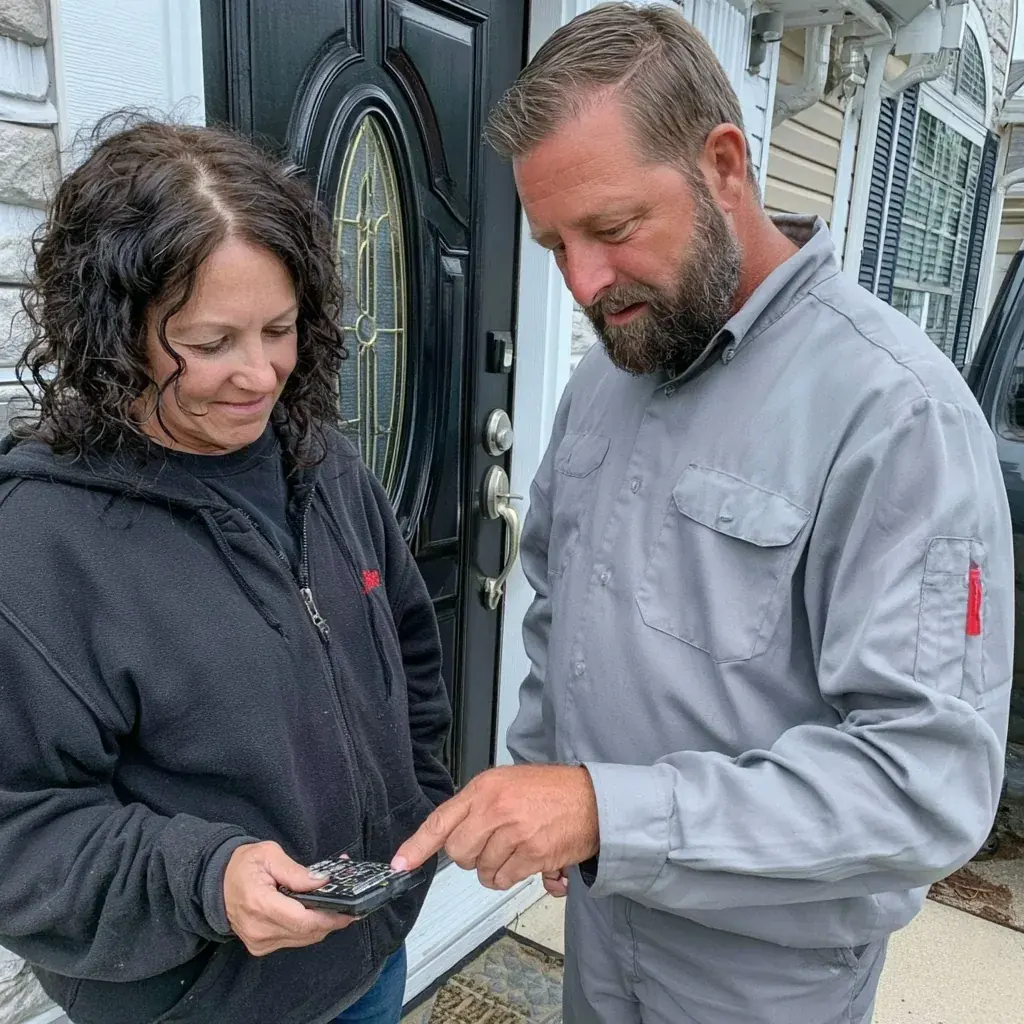
If the roaches are small and striped, if they are turning up in broad daylight, or this is a rental where a neighboring unit could be the actual source, get a professional identification before anything else. Treatment aimed at the wrong species is money spent for nothing. General pest work in this area often starts around an estimated $85 to $140 for the first visit, with a maintenance plan following after, and that figure is a guide rather than a quote.
Dealing with this in your home?
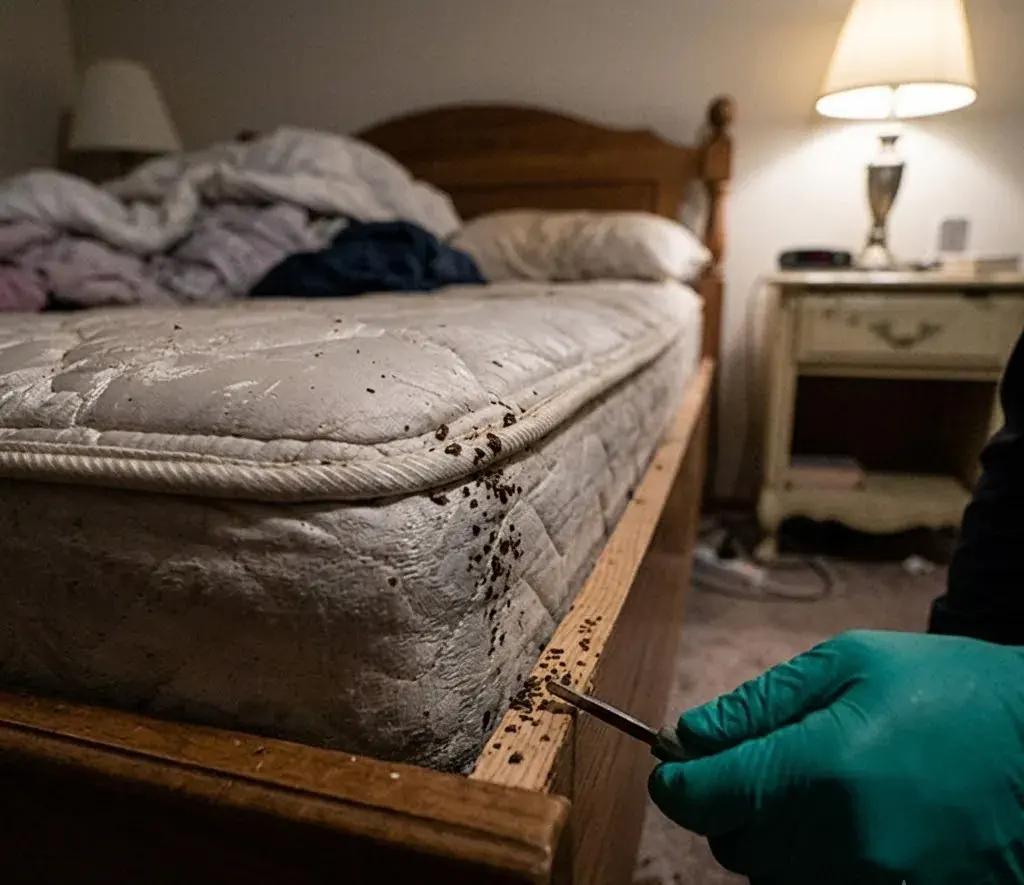
Bed bugs travel in luggage and boxes, not seasons, so Leon County calls do not slow down each winter the way ant and roach calls do. Semester turnover near Tallahassee Community College and the moving trucks along Tennessee Street give this city its own steady source of new introductions every August and January.