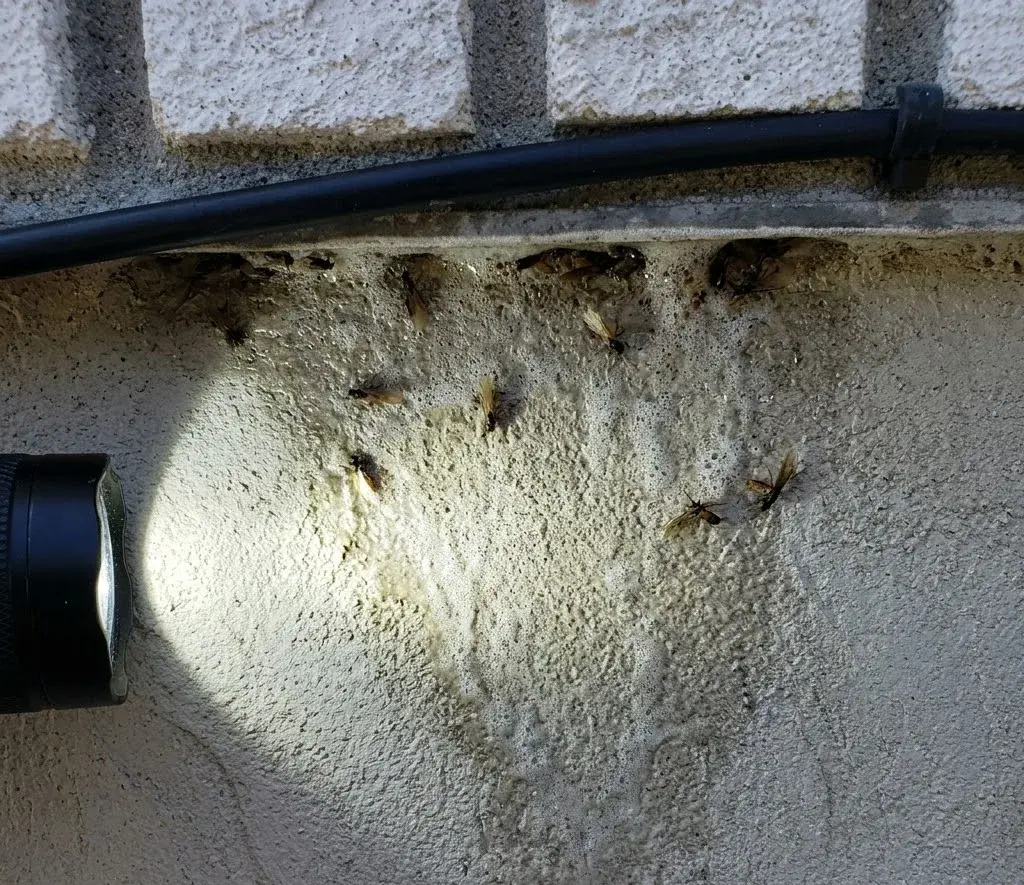
A small heap of translucent wings turns up on a windowsill and there is no insect anywhere in sight. That is how most homeowners here first learn termites are active, and it typically happens on a mild damp afternoon rather than in the dead of a summer night. Most of what gets written online tells people to watch for one spring swarm, circle it on the calendar, and relax once it has passed. In Florida, following that advice costs money.
The window runs for months, not a single weekend
Subterranean termite swarming in this state starts in late winter and keeps going into September or October. That covers most of the calendar year. A household that checks once in April and calls the matter closed has left five or six more months of flights unwatched, and a flight is exactly how a new colony gets its start near the structure it will eventually feed on.
It also means an August swarm is entirely ordinary and is not evidence of anything unusual. It is the same insect running the same behavior later in its own season.
Daylight flights, typically a day or two behind rain
Swarms here happen mostly by day, and it is the warm days right after rain worth watching. Summer storms roll through the Ochlockonee valley over the course of the afternoon, so a bright humid morning following an overnight soaking is exactly the setup that produces one. Anybody out of the house through the week may simply never be home for it, which is why the wings left behind matter more than actually seeing the insects.
Three native species live here, Formosan does not
Florida carries at least three native subterranean termite species, and their behavior sits close enough together that treatment barely changes between them. The one most likely at work in Leon County is the eastern subterranean termite, Reticulitermes flavipes.
Plenty of what gets written about Formosan subterranean termites sounds alarmist, and in this state it is not entirely wrong to take it seriously. The species has worked its way through most of Florida's major cities over the last forty years, from Miami up to Jacksonville and along the Panhandle, so it is not something a Leon County homeowner can wave off the way somebody two states north might. What that means in practice is that identification actually matters here, rather than being a box-ticking step: a Formosan colony runs bigger and faster than the native eastern subterranean termite, and the treatment differs accordingly. Ask exactly what species was found, and ask to see it. The Asian subterranean termite is the one that genuinely belongs to somebody else's problem, staying concentrated down in south Florida.
Wings on a sill: the next hour
Do not vacuum the pile up and move on. Slide a few onto a sheet of paper or into a sandwich bag and note the window, the room, and which side of the house it was. Take a photo of the sill. Termite wings run a fairly uniform length and drop in a loose heap, and that sample is what lets somebody identify the insect properly rather than guess at it after the fact.
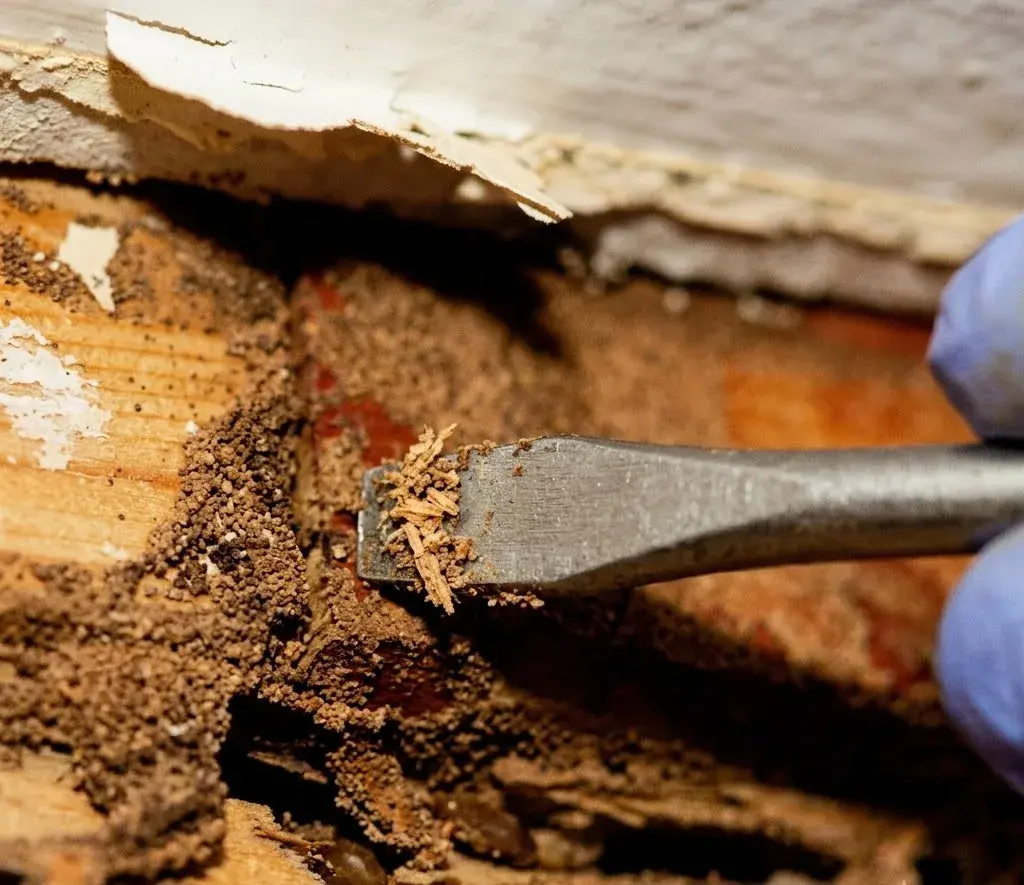
Then check the nearest exterior wall, the base of any door frame in that same room, and, if there is a crawl space, the joists directly overhead below that spot. Mud is what you are looking for, not holes.
Where the swarmers came from changes the story
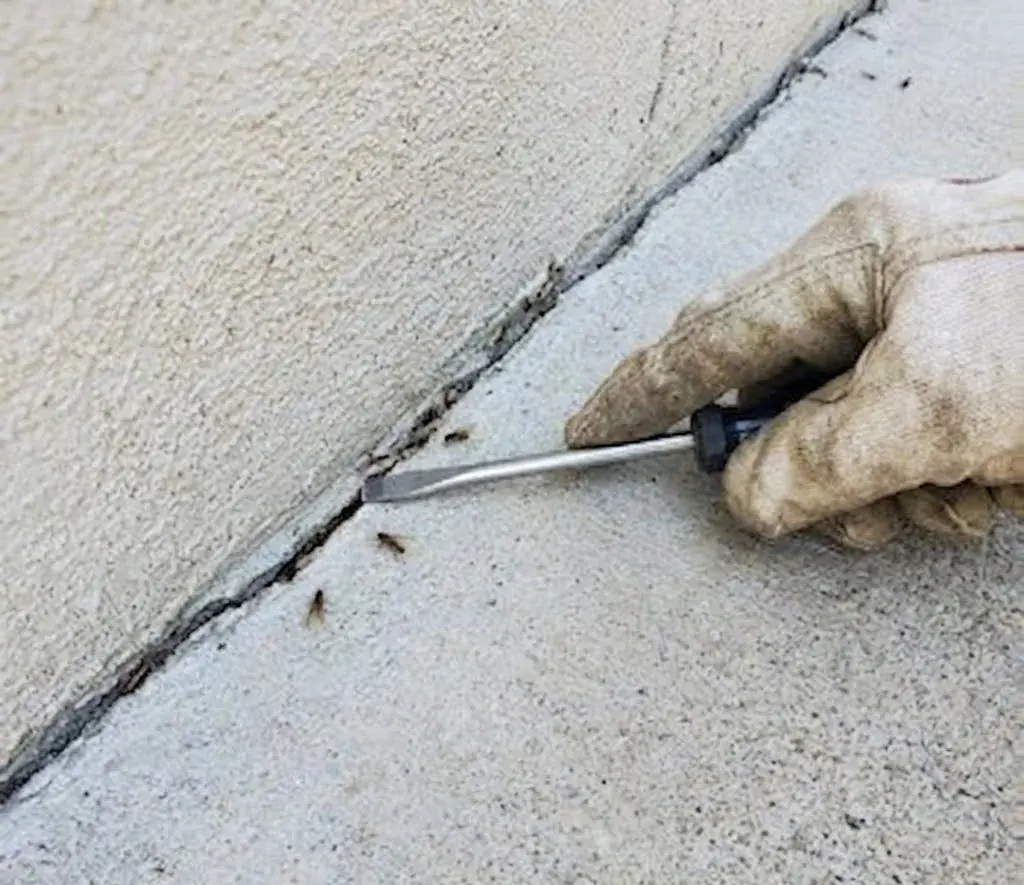
Swarmers emerging from a stump, a mulch bed or an old fence post out in the yard tell you a colony exists somewhere on the property. Swarmers emerging from a baseboard, a window frame or a crack in a slab tell you a colony has already reached the structure itself. Both deserve an inspection. Only one of the two is urgent in the sense most people mean when they say the word.
No need to panic, no reason to be rushed
The state's own guidance stays remarkably level headed about this. Termites are not going to cause significant structural damage over a matter of weeks, and picking a reputable company matters far more than moving quickly. Anybody standing in your driveway insisting the house has to be treated this afternoon is selling pressure, not expertise.
That said, do not drag it out indefinitely either. Termites can get through a crack no wider than a thirty second of an inch, and they can build shelter tubes at roughly two and a half inches an hour, so activity keeps spreading while proposals get compared. A week spent reading quotes is fine. An entire season is not.
What gets checked after a flight
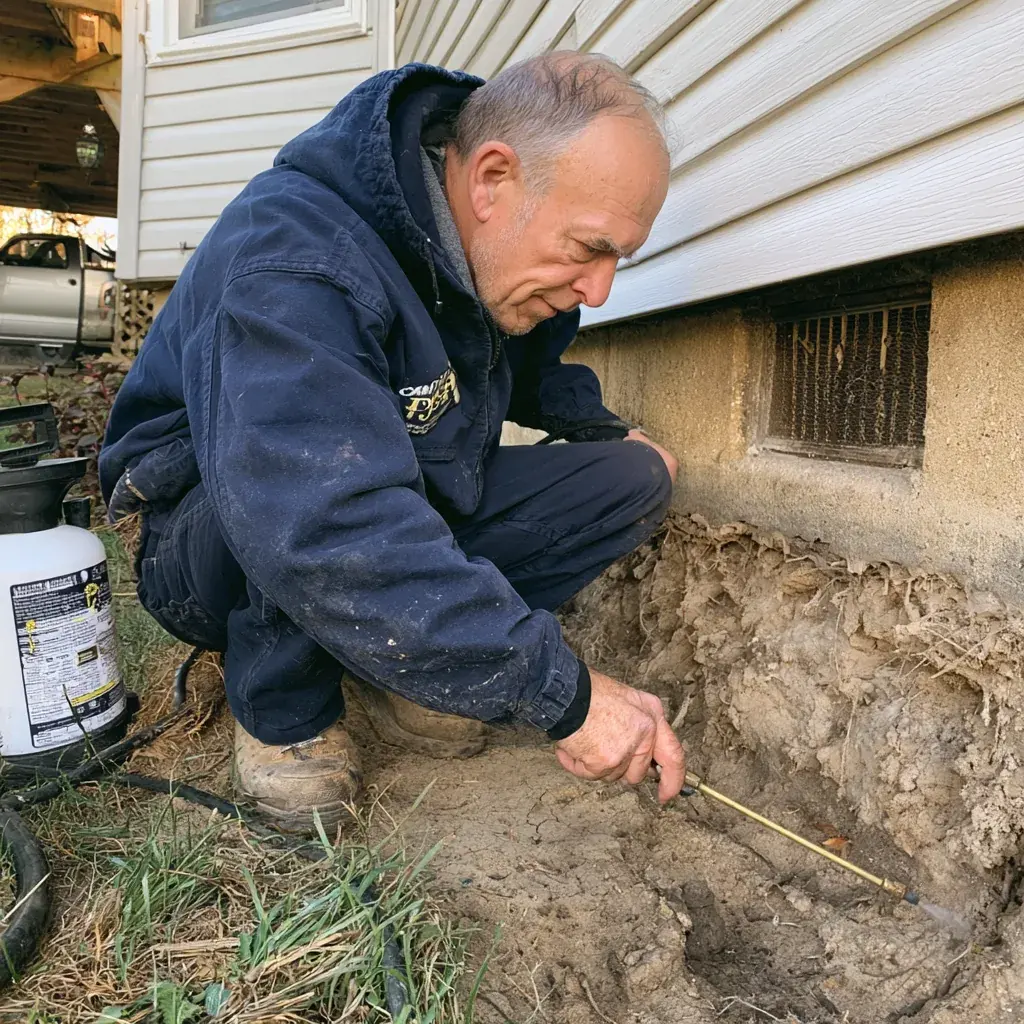
Mud tubes running up foundation walls and piers, thin soil lines climbing masonry, wood that rings hollow when tapped, and whatever conditions made the house attractive in the first place: wood touching soil, cellulose debris under the floor, damp timber. On a slab home, attention shifts to the bath trap, the plumbing penetrations, and any joint where the slab has pulled away from the foundation wall.
What a pile of wings should lead to
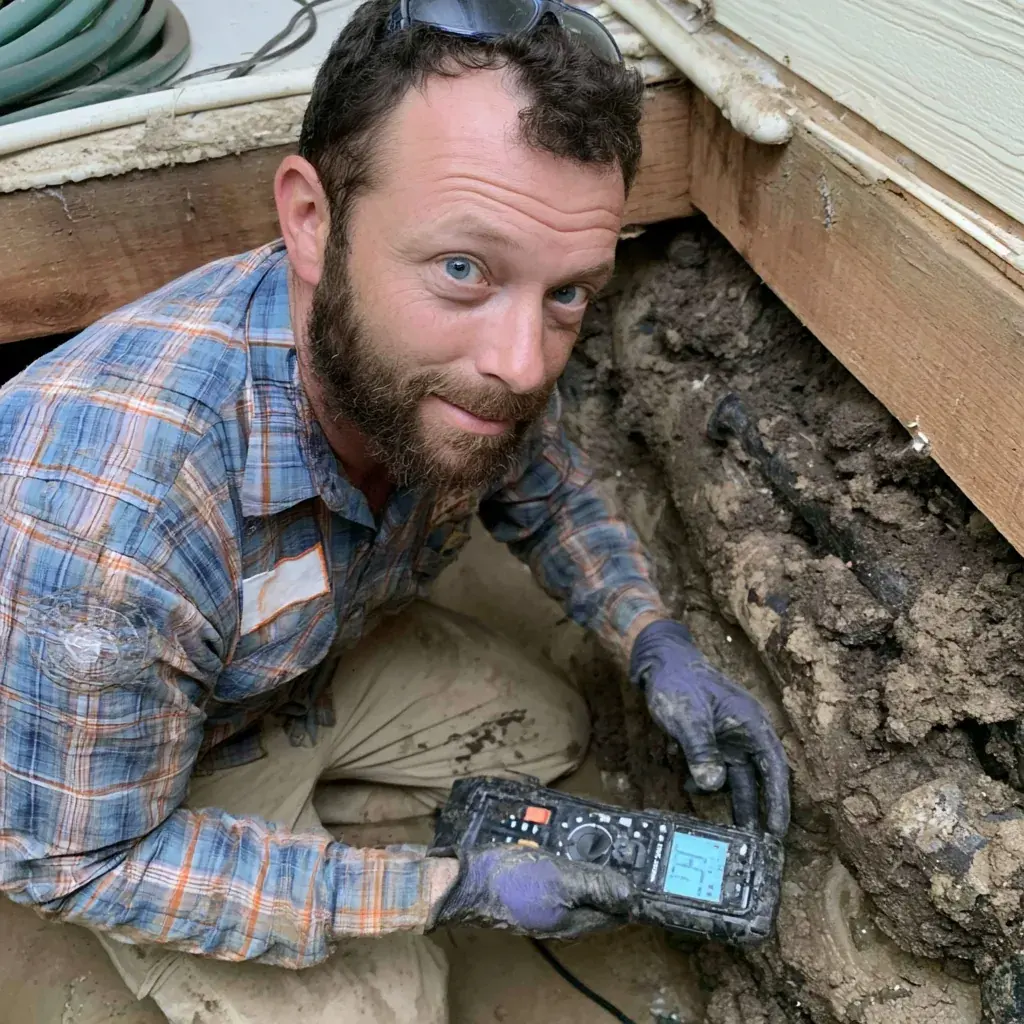
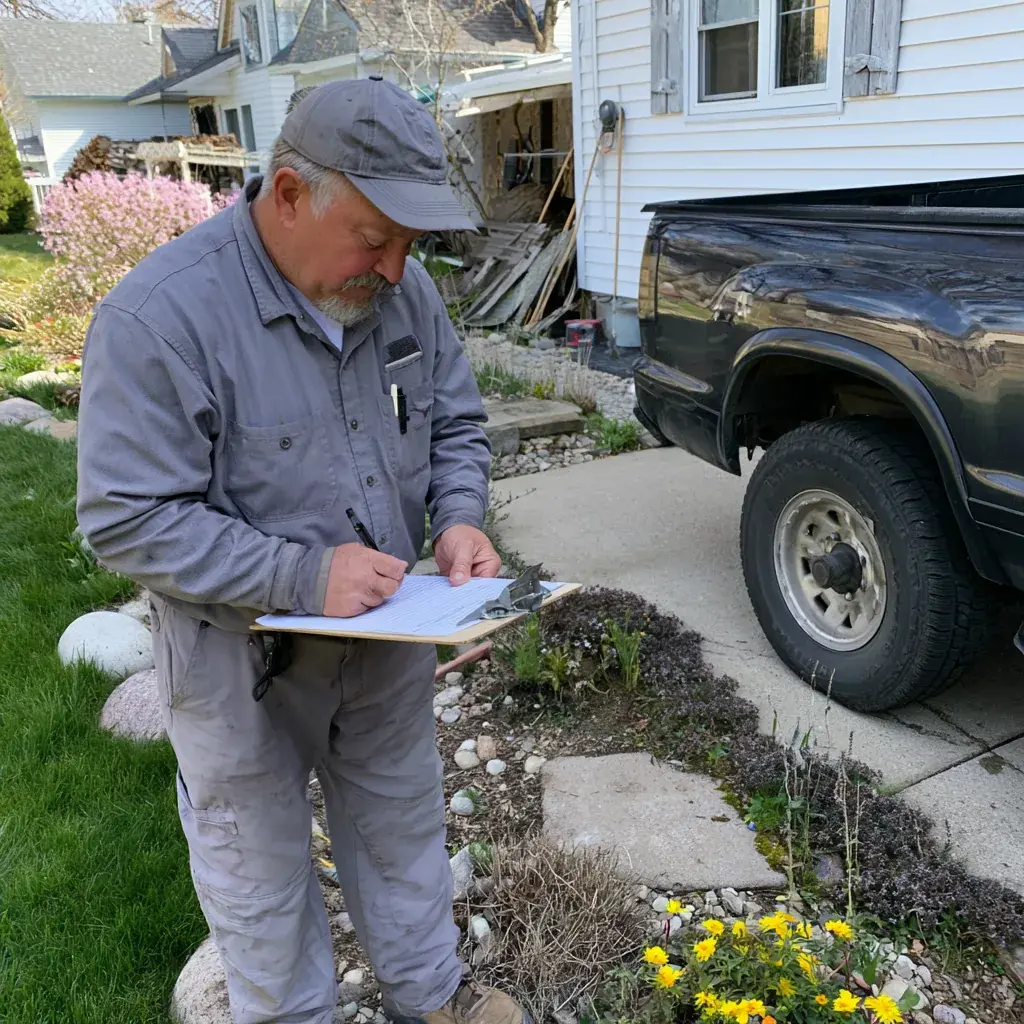
Hold onto the sample, write down the date and the weather, and get somebody FDACS certified in the termite category to look the house over. If evidence turns up, whatever gets proposed has to arrive in writing, and the agreement has to state plainly whether it treats an infestation already present or prevents one from starting. The licensed local pros we connect you with cover Tallahassee, Killearn Estates and Bradfordville, and an inspection is the right first move whether those wings showed up in February or in October.
Dealing with this in your home?
Bed bugs travel in luggage and boxes, not seasons, so Leon County calls do not slow down each winter the way ant and roach calls do. Semester turnover near Tallahassee Community College and the moving trucks along Tennessee Street give this city its own steady source of new introductions every August and January.