Nobody can price a house from a web page, and anybody who tries is guessing at your expense. What a page can usefully do is set out what genuinely moves the number in this market, so two quotes stop reading as two arbitrary figures and start reading as two different scopes of work. The ranges below sit slightly under what tends to get published locally, and every single one is a guide figure rather than a quote.
Which pest it is, before anything else
General work covering ants, spiders and occasional invaders sits at the cheap end. Termites occupy a category all their own, since that job drags in treatment of the soil, measurement of the structure, and an agreement in writing. Bed bugs and German roaches both get charged per unit and per visit, because repeat work is built into how they are dealt with. With rodents, you are buying sealing as well as trapping. With wildlife, regulation and roof work come attached. So any one quarterly figure claiming to span all of that would tell you nothing.
Slab or crawl space, and how reachable it is
Access is the quiet driver behind a great many of these numbers. A crawl space that opens up with reasonable headroom gets worked quickly. A tight one crowded with ductwork, stored boxes and almost no clearance eats far more time over identical square footage. Slab houses have their own version of this: reaching a bath trap means drilling through finished tile, which bears no resemblance to running treatment along an exterior wall. Two houses that look alike standing on the same Killearn Estates street can price well apart on access by itself.
How long it has already been running
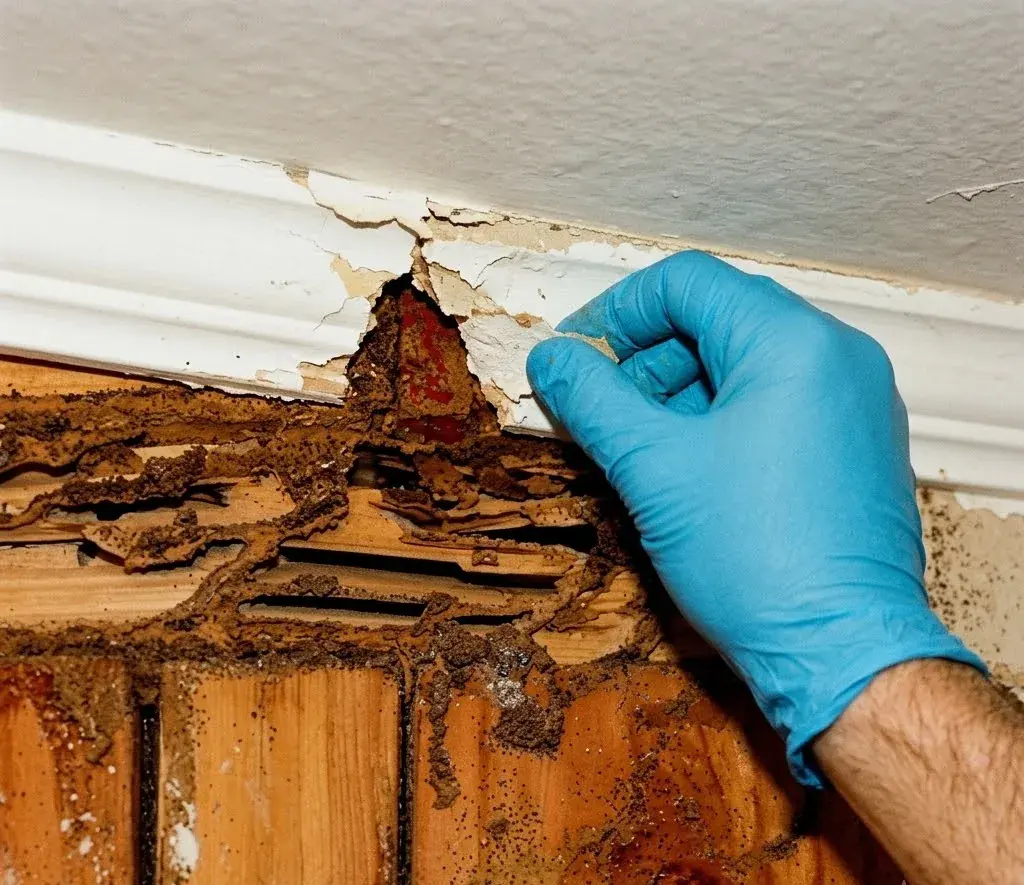
A problem caught inside the first few weeks is a smaller job than that same problem left alone for two years. With termites, the gap is between treatment on its own and treatment plus carpentry, and the carpentry is usually no part of the pest control quote whatsoever. With roaches or bed bugs, it is the gap between two visits and a whole program. This is the one variable a homeowner actually controls, and it shifts the number more than any of the others.
A single visit against a plan
A one-off treatment costs more per visit and covers less ground. A maintenance plan spreads that cost and folds in re-service between visits, which is precisely where the value lives, given that re-entry from outdoors never really stops in this climate. As for what those look like locally: a first general service commonly lands somewhere in the region of an estimated $85 to $140. Quarterly maintenance tends to sit near an estimated $75 to $95 for each visit. Monthly plans come in lower again, closer to an estimated $45 to $60.
The specific lines run roughly like this. Rodent work, follow-up visits included, occupies the region of an estimated $130 to $180. Yard and mosquito work opens from an estimated $120 on a suburban lot of ordinary size. Crawl space treatment tends to begin near an estimated $85, and a perimeter band is not far off the same. A wood-destroying organism report for a sale usually arrives around an estimated $60 to $95. Guide figures, all of them, and all moving with the particular property.
Ask about the first visit charge on its own
Plans get advertised at the recurring price with the initial service priced separately, which is not a trick at all provided somebody told you. Ask three things outright: what the first visit costs, what a recurring visit costs, and how long the agreement runs for. Then ask whether re-service between scheduled visits comes included or gets billed. Two quotes sitting thirty dollars apart on the monthly figure can finish a couple of hundred apart across the first year.
What usually comes included, and what is extra
Inspection is generally included wherever it arrives alongside a proposal. Follow-up visits inside a termite or rodent program are generally included too. Carpentry, insulation replacement, encapsulation, dehumidifiers, attic cleanup and sanitizing come as separate lines almost everywhere, along with anything that amounts to a building repair rather than a treatment. Get that split written down so the invoice matches the conversation that happened in the driveway.
Why the cheapest quote frequently is not
A figure sitting well below the rest usually signals a smaller scope: fewer visits, no re-service, nothing put in writing, or a re-treatment only clause where the competing quote included damage repair up to a stated amount. Ask what got left out rather than assuming somebody is feeling generous. On termite work especially, a proposal that never states the annual renewal fee is cheaper to produce and worth less to hold, because the renewal is the thing keeping the re-treatment promise alive.
Dealing with this in your home?
Bed bugs travel in luggage and boxes, not seasons, so Leon County calls do not slow down each winter the way ant and roach calls do. Semester turnover near Tallahassee Community College and the moving trucks along Tennessee Street give this city its own steady source of new introductions every August and January.