Most rental markets turn over at a steady pace and a manager can simply pick a quiet week. Tallahassee does not behave that way. Three campuses hand their keys back inside the same two-week stretch across late July and early August, with a smaller wave in May, and through those few weeks entire buildings sit empty simultaneously. That is either the best thing to happen to a pest budget all year or the worst, depending purely on whether anything got booked. An empty unit with the furniture gone and the walls reachable is the cheapest bed bug job in existence. That same unit with a new tenant's boxes stacked in it is among the most expensive, and roughly one week separates the two states.
Why empty beats early by such a margin
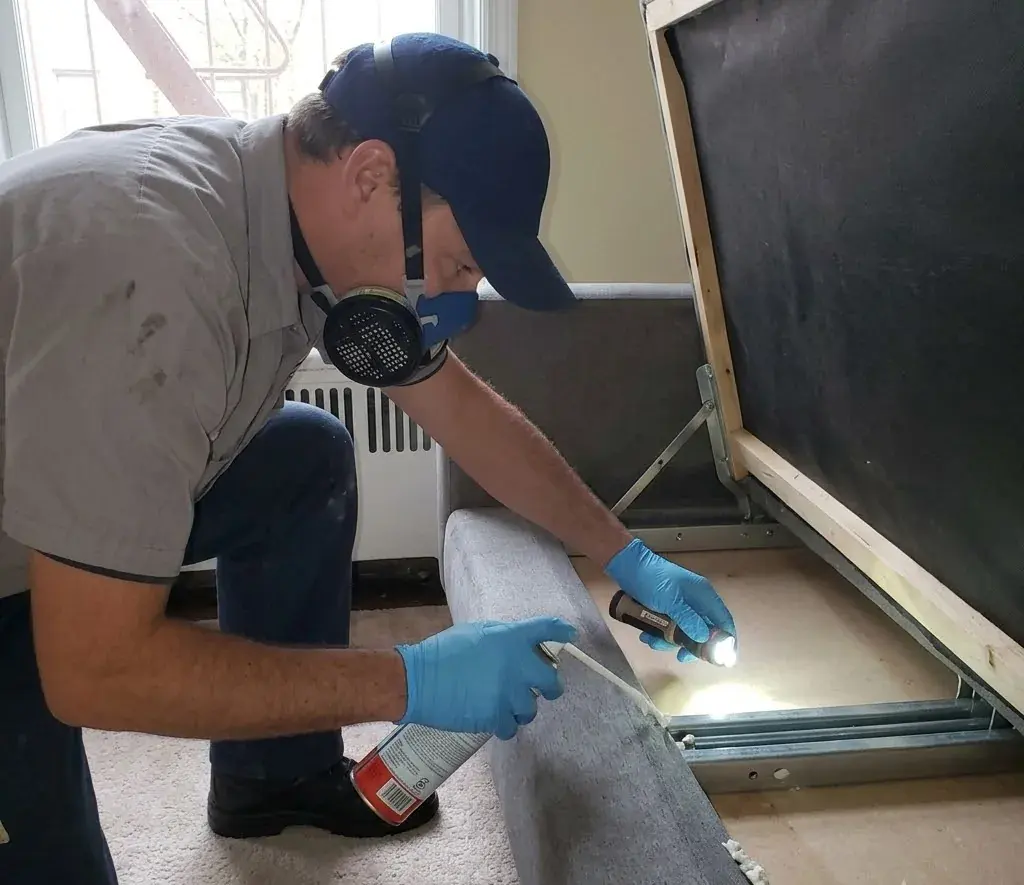
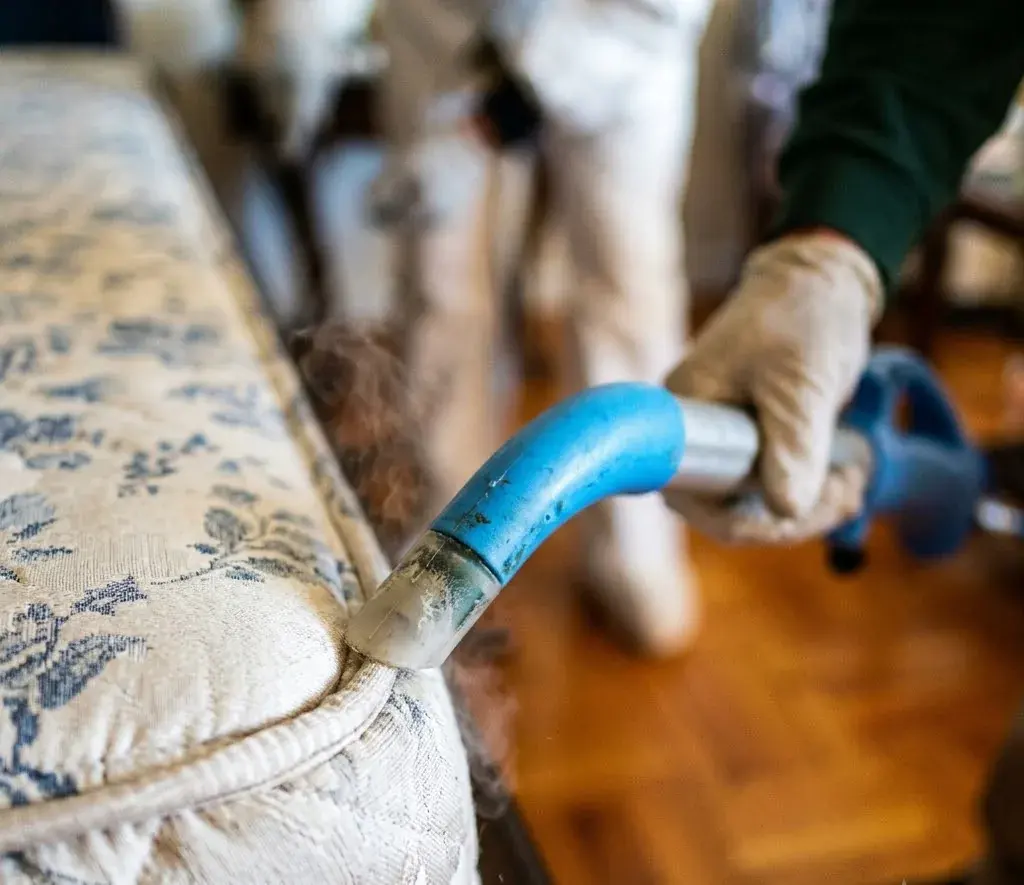
Bed bug work in an occupied home runs half treatment and half negotiation: preparation lists somebody actually has to follow, laundry, access, cooperation, and repeat visits squeezed around work shifts and class schedules. An empty unit erases every bit of that. Outlet covers come off, frames and baseboards get treated the way they should be, carpet edges lift, and heat or targeted product lands where it belongs rather than wherever somebody's possessions leave room.
The money saved is genuine, and the thing worth even more than the money is certainty. A follow-up inspection in an empty room returns a yes or a no. That same inspection in a furnished, lived-in unit returns a probably, and a probably is precisely what somebody is still paying for six months down the line.
Treating one door and skipping its neighbors buys the job twice
They travel along shared walls, through voids, up plumbing and wiring chases, and above all in the hands of whoever is hauling a couch down a corridor. During a mass move-out, that last route runs all day long for two solid weeks. Treating unit 4 while 3 and 5 sit untouched generally means treating unit 4 all over again by October. Inspect either side, above and below, as a matter of routine, including the doors nobody has complained about, because an early population stays quiet and a quiet population is exactly the kind that survives a turnover.
What the law actually asks of each side
Section 83.51 of the Florida Statutes requires a landlord to make repairs and do whatever is needed to keep a place fit and habitable. Two details about that regularly get overlooked. The duty runs for the entire length of the tenancy rather than expiring the day somebody moves in, and it cannot be waived, so a lease clause drafted to sign it away is not doing the job it appears to be doing.
None of that automatically makes pest control the landlord's bill. Tenants carry obligations of their own under section 83.52, and who ends up paying in any particular case depends on the lease and on how the problem arrived in the first place. What is not open to argument is that the condition has to get dealt with. Short-term and vacation rentals sit under a different arrangement altogether, and given the volume of game-weekend and legislative-session lettings in this town, that is worth checking rather than assuming.
The fifteen dollar purchase that costs a building
Do not start with a store-bought fogger, aerosol or powder. A retail fogger drives bed bugs deeper into voids and straight through into the units on either side, destroys the evidence somebody needed on exactly the surfaces where evidence is useful, and turns a one-room problem into a building-wide one. During those two turnover weeks, with every unit on the floor open and empty, it manages that faster than at any other point in the year.
Its companion mistake is dragging mattresses and upholstered furniture down a shared corridor before anybody has inspected them. Bag things where they stand, or leave them alone until the inspection, and clearly mark whatever is being discarded, because in student housing a mattress left beside a dumpster does not reliably stay beside the dumpster.
A sequence that holds up in a three-week rush
Inspect while the unit is still furnished if there is any way to manage it, because seams, frames and headboards tell you far more than a stripped room ever will. Book the treatment for the first vacant day rather than the last, since in August the last vacant day simply does not exist. Handle the pest-relevant repairs during the same visit: seal around plumbing penetrations, fit a proper door sweep, patch the holes left behind where the headboard sat. Then get the follow-up inspection onto the calendar before the unit is listed, and hold the move-in date until it has actually happened. Booking all of that in June, for August, is the entire difference between a normal rate and an emergency one.
The records that settle the argument a year later
Photograph every unit at move-out and again at move-in, hold onto the inspection reports, and keep written records of what a tenant reported alongside what was done about it. Consumer guidance in this state tells tenants to put repair requests in writing and keep their own copy, so expect exactly that and match it on your side. In a university town, whoever reported the problem has frequently graduated and left the state by the time anybody gets around to asking how it started, which leaves your own file as the only surviving version of events.
Where the work concerns wood-destroying organisms rather than bed bugs, Florida requires that agreement in writing and requires it to state the annual renewal fee. File it with the unit records rather than burying it in the accounting folder, because whoever needs it three years from now will be going through the property file.
Pricing the work when everything lands at once
The work gets priced per unit and by method, and the honest range runs wide, because a studio holding one bed and a three-bedroom packed with upholstered furniture are not the same job no matter how similar the floor plans look. Ask for the per-unit figure, the cost of inspecting the adjacent units, and what a repeat visit runs if the follow-up turns something up. Then ask the question that matters specifically in this market: what the rate looks like for a block of turnover units booked months in advance, set against the rate for those same units booked in the second week of August. Anybody running several buildings across the county will find that gap is the whole pest budget.
Dealing with this in your home?
Bed bugs travel in luggage and boxes, not seasons, so Leon County calls do not slow down each winter the way ant and roach calls do. Semester turnover near Tallahassee Community College and the moving trucks along Tennessee Street give this city its own steady source of new introductions every August and January.