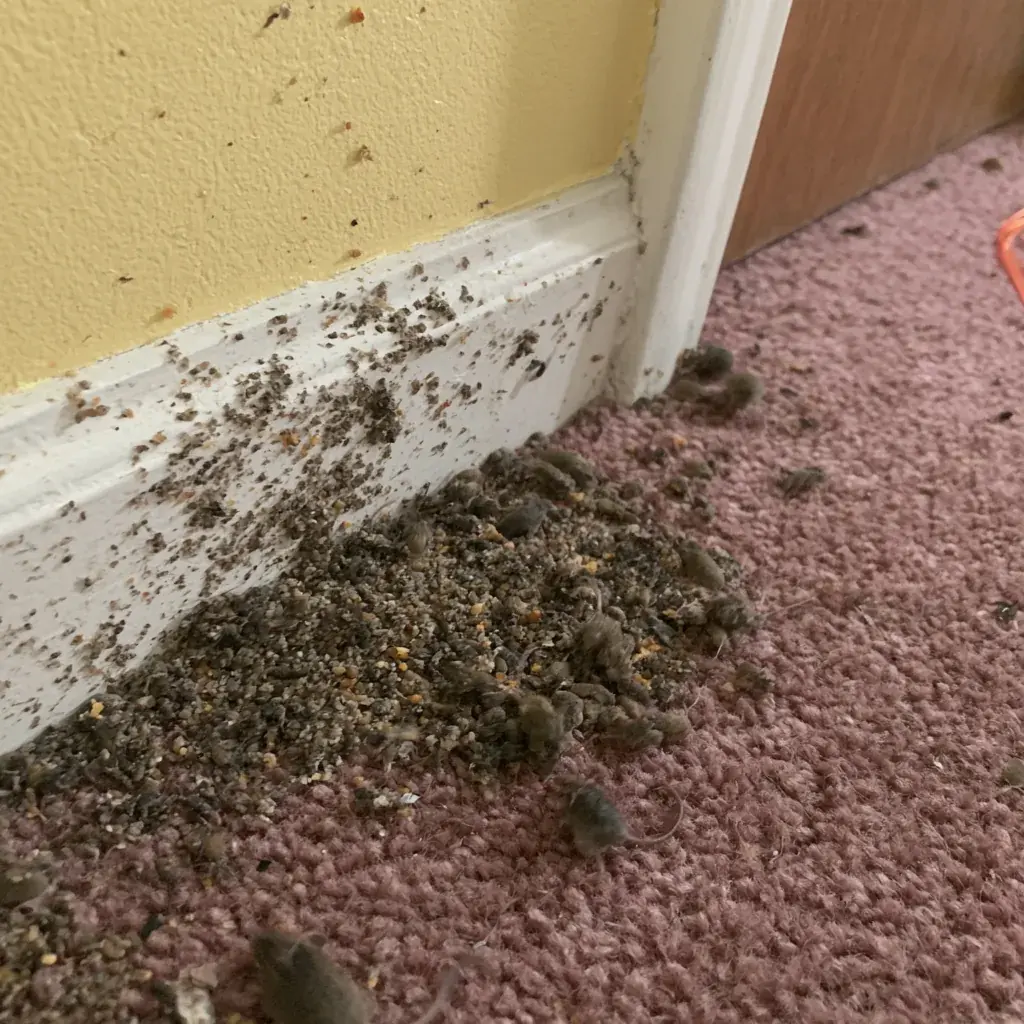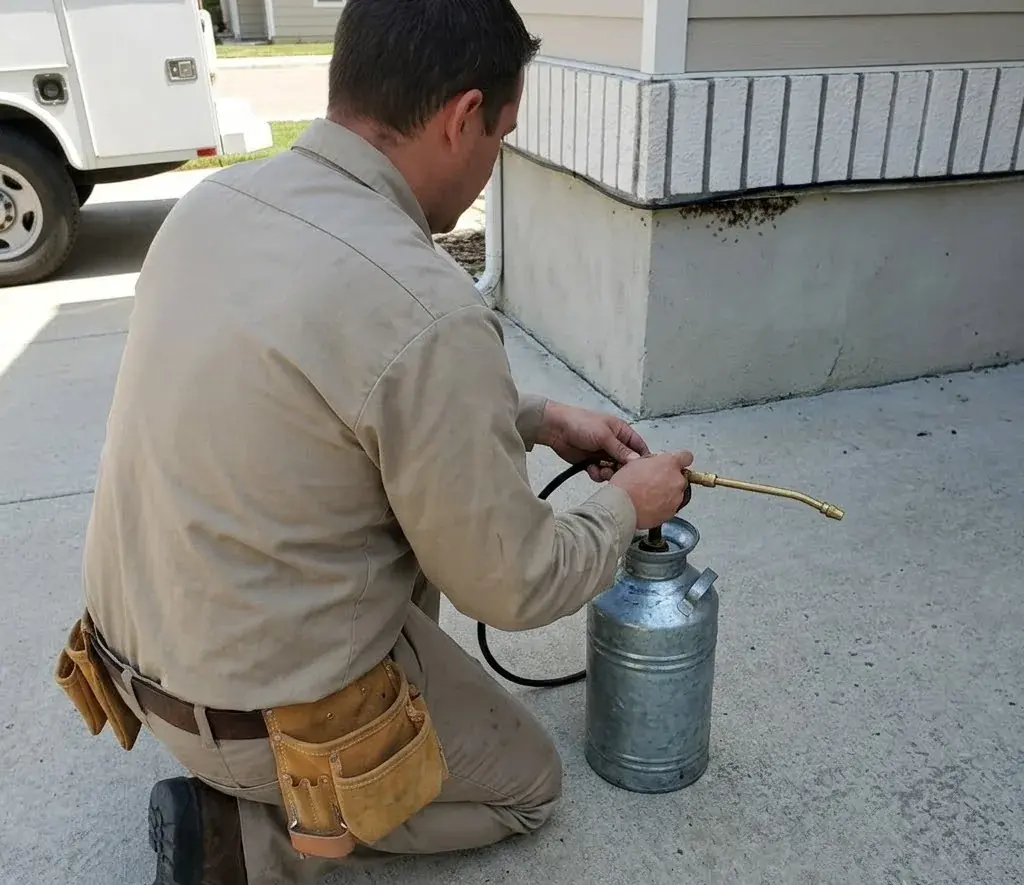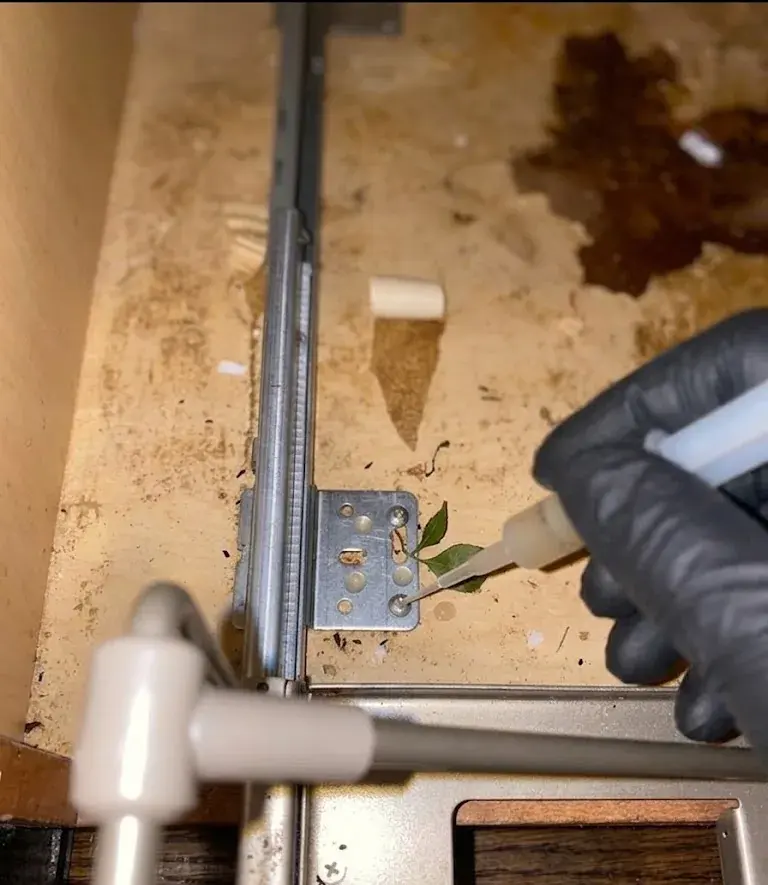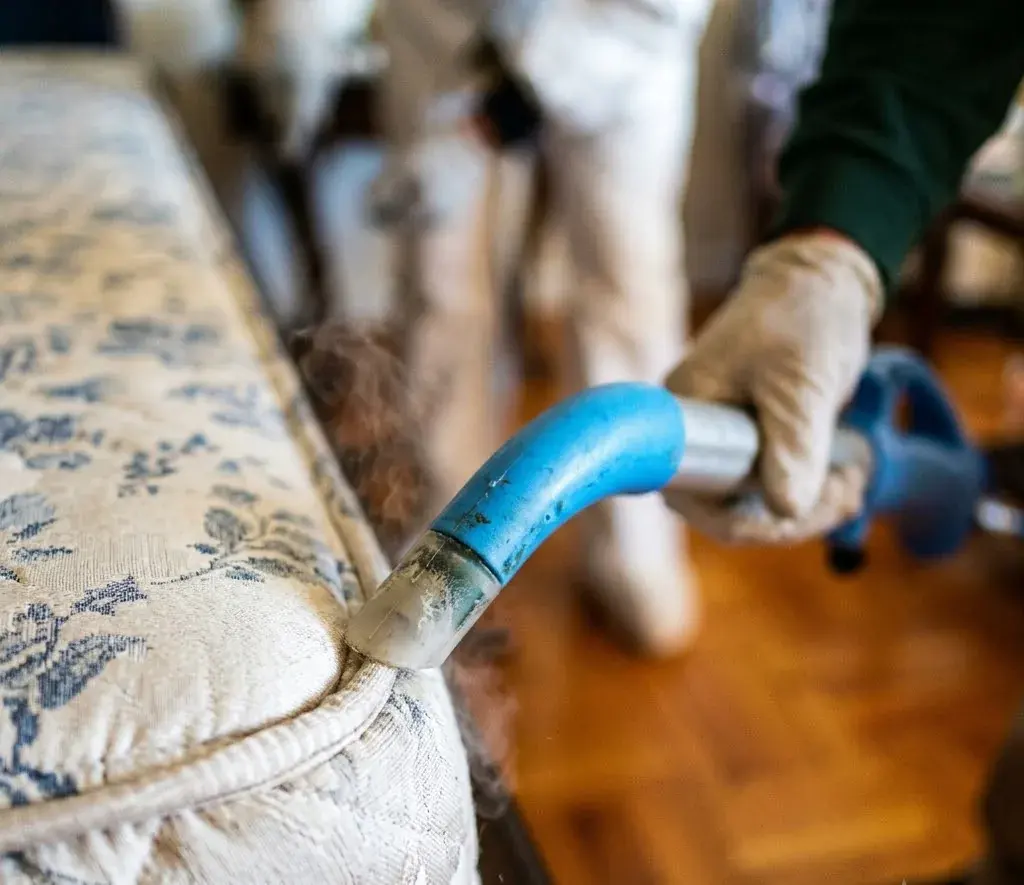
October is the month sealing work stops being optional. Nights cool down, the food supply outdoors thins out, and rodents begin working along the outside of buildings looking for a way through. Trapping is the half of this job that gets all the attention. Sealing is the half that decides whether the whole thing gets repeated next fall.
Roof rats come in high, Norway rats come in low
The rat most Leon County households are actually up against is the roof rat, and knowing that decides where to start searching. Roof rats climb. They move through canopy, and in a town shaded by live oak they come in along limbs and enter high up, which is why the roof line deserves as much of your attention here as the ground line. Norway rats do live here as well, but what suits them is somewhere holding food waste, ground they can burrow into, and cover to work under. Think dumpster pads and restaurant alleys, creek banks, a fence line nobody has cut back, a wood pile. Sand through this stretch of the Ochlockonee valley takes a burrow without much effort. House mice show up county-wide. Since the sealing work overlaps across all three animals, a single checklist handles the lot.
Sealing is the half that lasts
Traps and bait cut down the population already inside. They do precisely nothing about the next one to arrive. A house that has been trapped every fall for six years running has a hole in it that nobody ever got around to closing. The order that works is: find the entries, close them properly, remove whatever is inside, then monitor to prove it held.
Work the ground line first
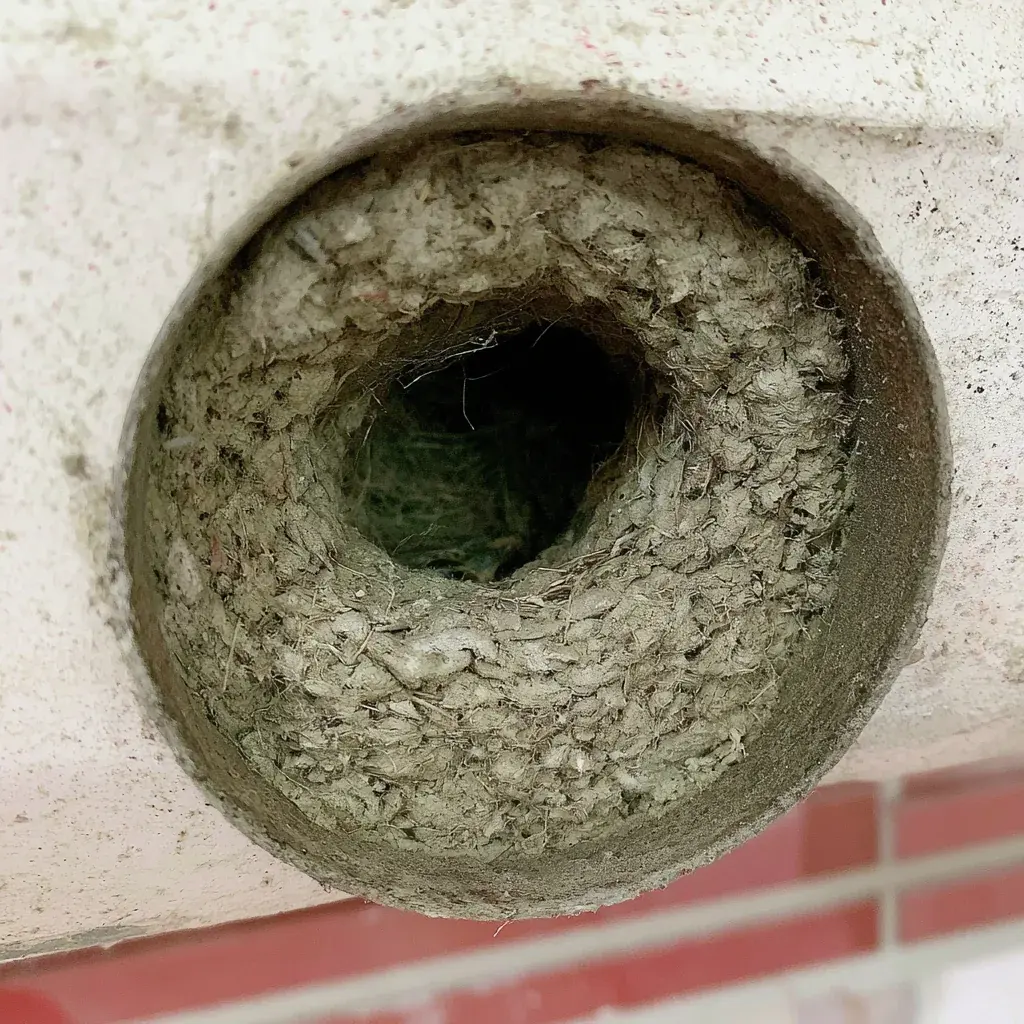
Walk the perimeter slowly. Check the joint where the foundation meets the wall covering. Check the crawl space vents and whatever screening they still have. Check whether the crawl space access door genuinely seats when it is shut. And check every last point where a pipe, cable or conduit runs through the wall, because utility penetrations are the commonest way in on slab and crawl space houses alike around here, and the gap almost always sits hidden behind a shrub. On woodwork, state prevention guidance sets the minimum at six inches of clearance above the ground. Anything lower than that is simultaneously a termite issue, a rot issue, and eventually a rodent hole.
Then the roof line, which matters more here
Given what climbs around here, this half deserves the same attention as the ground line. Check gable vents, soffit and fascia joints, the spot where a porch roof meets the wall, ridge vent ends, and any dryer or bath fan outlet running a broken damper. Cut limbs back so nothing at all overhangs the roof, since an overhanging branch is a bridge. Look hard at where the electrical service and any cable enter the building, because a hole drilled oversized twenty years ago is still oversized today.
Materials that hold, and materials that do not
Spray foam by itself gets chewed straight through. Steel wool packed in tight and then sealed over, hardware cloth, sheet metal, mortar and proper flashing all hold up. Door sweeps belong on every exterior door, garage included, and the garage door bottom seal has to make actual contact with the slab across its full width. Foundation vent screens want to be metal, intact, and fastened at the edges rather than tucked in and hoped for.
The crawl space, and the numbers to work to
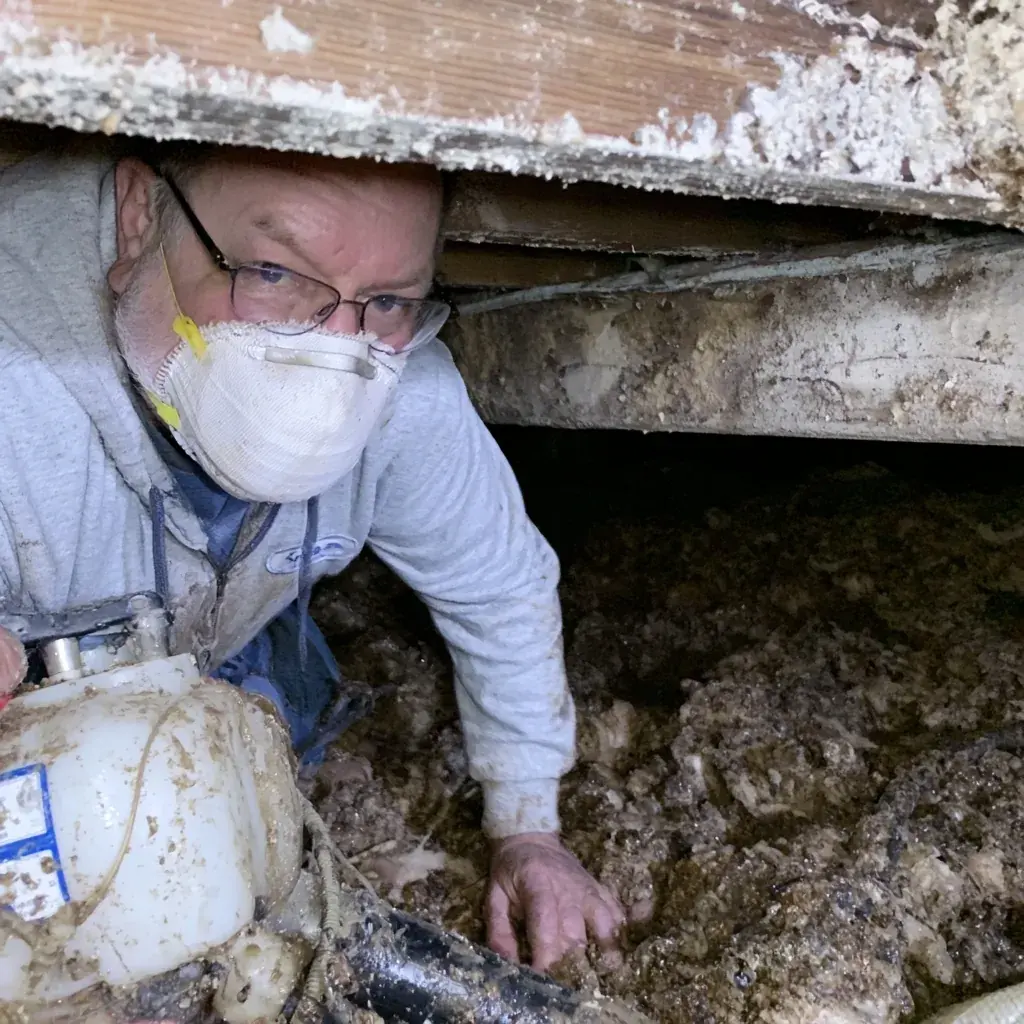
Under the house, whatever draws termites in is also making rodents comfortable: damp soil, cellulose debris lying about, beams sitting low. Two numbers apply down there. Crawl space beams want at least eighteen inches over the soil, which is what keeps the space inspectable, and the grading has to send water away from the structure rather than toward it. So pull the scrap lumber and cardboard out, lay a vapor barrier across any bare soil, and remember that wood reading twenty percent moisture or higher becomes a reportable condition conducive to termites. Drying the place out therefore pays for itself twice.
The yard belongs on the checklist too
Get firewood up off the ground and away from the wall. Cut back ivy and any dense ground cover pressed against the foundation. Trim the grass down along fence lines. Keep bird seed and pet food in sealed containers rather than paper sacks sitting in the garage. Fit latching lids on the garbage cans, and take a look at where those cans stand relative to the house, because a trash can parked against a wall is a feeding station beside a door.
The short version to work from this month
Seal the perimeter penetrations. Screen the crawl space vents and make the access door seat. Fit sweeps to every door, the garage one included. Close the roof line and the vent openings, and cut back anything overhanging. Shift firewood and clutter off the wall. Lay the vapor barrier and haul the debris out from below. Then put monitoring in place, so whatever got missed announces itself in October instead of January. Where a two-story house or a wide crawl space is more than anybody wants to tackle alone, the licensed local pros we connect you with take on exclusion work across Tallahassee, Bradfordville and Killearn Estates. Rodent programs around here often land in the region of an estimated $130 to $180 with follow-up visits included, which is a guide figure and not a quote.
Dealing with this in your home?
Bed bugs travel in luggage and boxes, not seasons, so Leon County calls do not slow down each winter the way ant and roach calls do. Semester turnover near Tallahassee Community College and the moving trucks along Tennessee Street give this city its own steady source of new introductions every August and January.