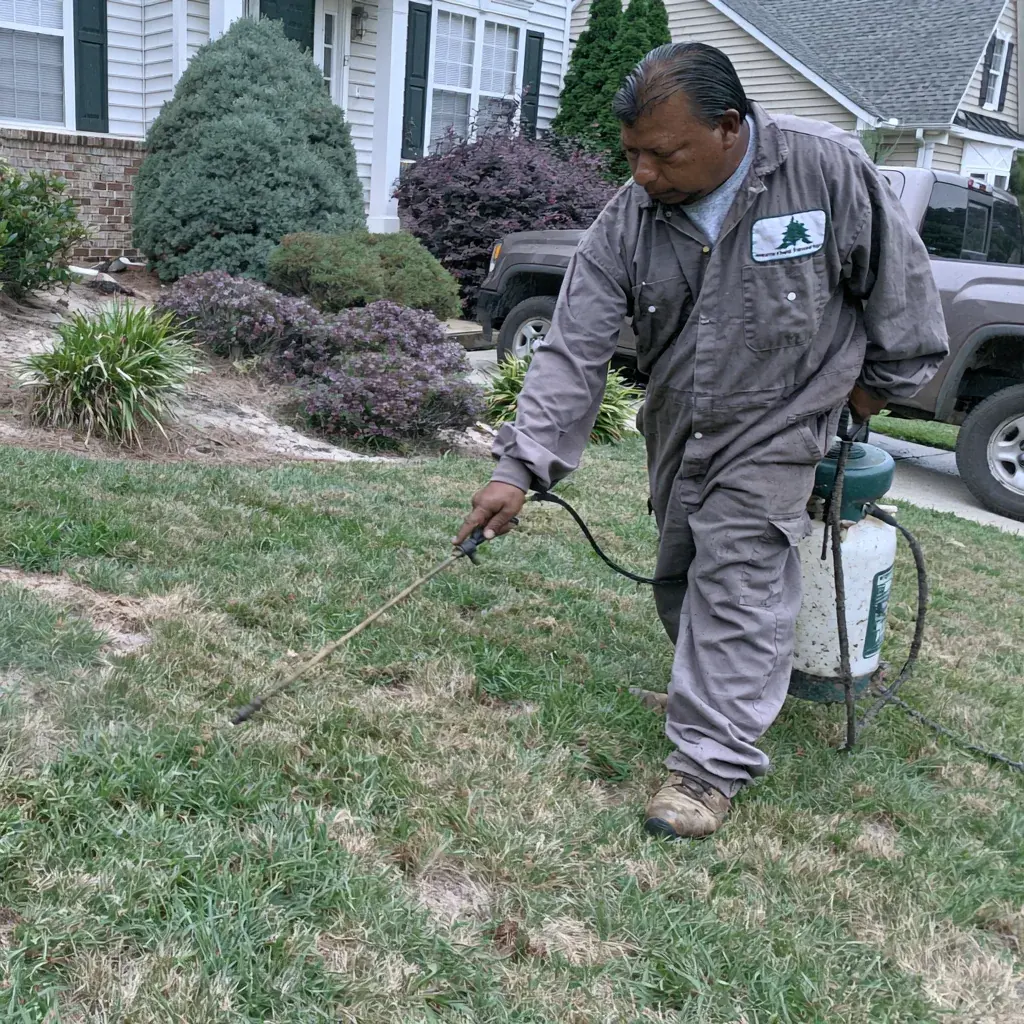
Walk off a mowed lawn onto open sandy ground in June and three mounds will usually turn up without any real searching. The Big Bend suits fire ants. The soil drains, it warms early in the year, and there is no shortage of disturbed open ground between subdivisions, along ditch banks and down roadside strips right across the county. All of which is why the single most repeated piece of fire ant advice, drench whichever mound you can see, works out so badly.
The sand is on their side
A colony sitting in loose sandy soil moves easily and rebuilds quickly. The mound is only the visible chimney above a network running wider and deeper than the dome suggests, and after a heavy summer storm the whole operation can shift a short distance and put up a fresh mound inside a few days. A yard that looked clear on Sunday can read as completely untreated by Friday without one new colony having arrived.
What a drench actually accomplishes
Pour a liquid treatment into a single mound and it kills off a share of the workers and possibly puts the queen under some stress. If it never reaches her, the colony's answer is simply to relocate. Which is exactly why somebody reports the mound gone, then two fresh ones a few feet away the following week, and decides the product was a dud. The product did what it does. So did the colony.
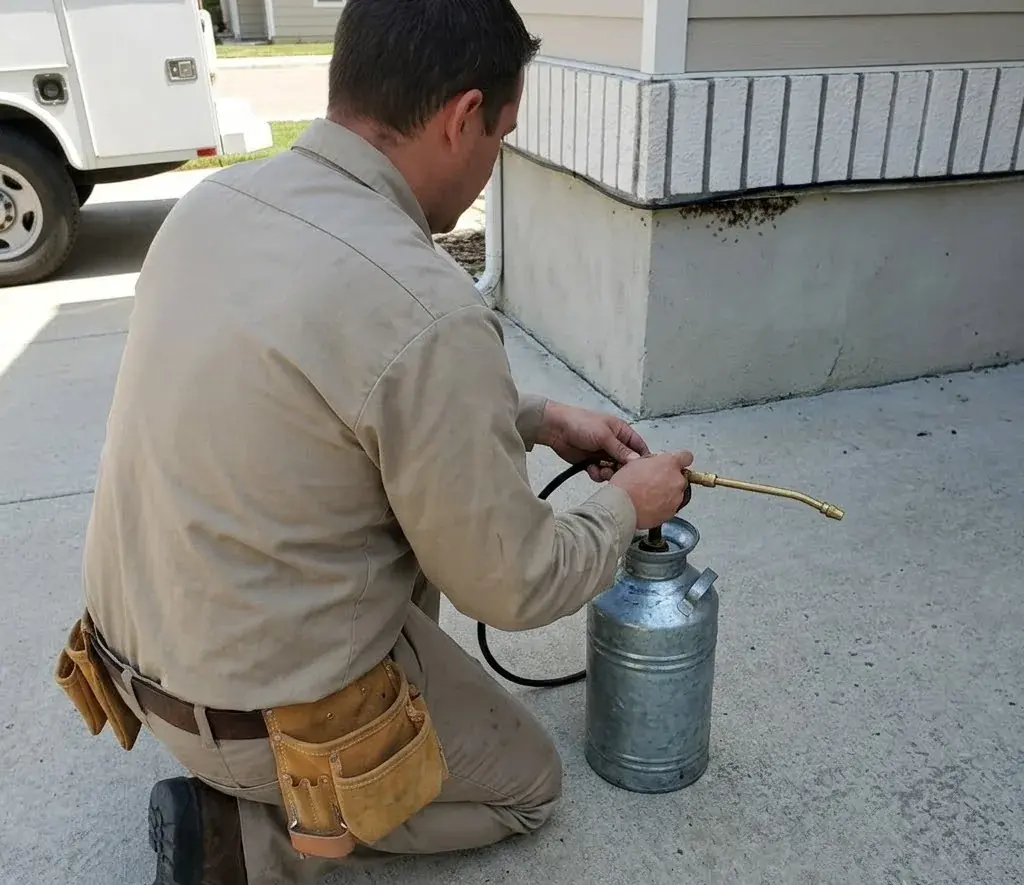
None of which makes mound treatment useless. It is the right tool for one particular mound in one particular spot, next to a doorway or under a play set, where that one has to go today. It just was never a yard program.
Bait goes down first, mound work follows
Bait broadcast across the whole treated area gets carried home into colonies nobody can see, young ones included that have not yet thrown up a visible mound. It works slowly, across weeks, and the slowness is the entire point. Follow it with direct treatment on whichever mounds matter most and you get both the gradual drop across the property and the quick result exactly where it is needed. Do it the other way around and the mound work scatters colonies clear of the bait that just went down.
Getting the timing right through the year
Bait does its best work while ants are actively foraging, which around here means warm ground rather than the middle of a dry baking afternoon. Late spring and early fall generally give the strongest pickup. Never spread bait onto a lawn about to be watered, or with a storm coming in, because wet bait loses its appeal fast. Skip mowing immediately before or after as well, since what you want is foragers out and left alone.
The fence line nobody controls
This is the honest limit on the whole thing. Where the land behind a property goes unmanaged, or a lot backs onto a ditch bank or a strip of woods, colonies are going to keep turning up. Treating a yard in Killearn Estates or Southwood does nothing whatever to the field next door. What a program actually buys is a treated buffer held low by maintenance, plus a realistic set of expectations. Anybody promising a permanently ant free half acre alongside open ground is not being straight with you.
Children, animals, and where stings actually happen
Stings mostly land where people are barefoot or down on their knees: the play set, the sandbox, the edge of a patio, the base of a mailbox post. Walk those spots once a week through the season looking for fresh loose sand rather than a finished dome, because a new colony is far easier to deal with early. Keep children and animals off any treated area for whatever period the product label sets out. And if somebody reacts badly to stings, that is a doctor's call, not something to go researching online.
What a full season actually looks like
Expect a broadcast application, a follow-up look at how it took, and mound work where it is warranted, running seasonally rather than once and finished. Yard treatment in this market often opens around an estimated $120 on a typical suburban lot, which is a guide figure rather than a quote, and that number moves with how much ground genuinely has to be covered. A quarter acre in Bradfordville and three quarters of an acre out toward Lake Jackson are not remotely the same job.
Dealing with this in your home?
Bed bugs travel in luggage and boxes, not seasons, so Leon County calls do not slow down each winter the way ant and roach calls do. Semester turnover near Tallahassee Community College and the moving trucks along Tennessee Street give this city its own steady source of new introductions every August and January.