The honest answer is that Florida has no flat rule about who pays for pest control in a rental. Anybody insisting the landlord always covers it, or that the tenant always does, has skipped straight past the two things that actually decide it: what the lease says, and what caused the problem in the first place. What the statute does settle is a duty resting with the landlord that cannot be signed away, and that is the right place to begin reading. None of what follows is legal advice.
What Section 83.51 puts on the landlord
Part II of Chapter 83 of the Florida Statutes is the Florida Residential Landlord and Tenant Act. Section 83.51 requires a landlord to make all repairs and do whatever is necessary to put and keep the premises in a fit and habitable condition. Two words in that sentence carry nearly all the weight. Keep means the duty runs across the entire tenancy rather than stopping at move-in, so a unit that was perfectly fine in January remains the landlord's obligation come July. And those duties cannot be waived, which means any lease clause attempting to hand the whole habitability question to the tenant does not do the thing it looks like it is doing.
None of which turns every can of ant spray into a landlord expense. Habitability and routine pest management are two separate conversations. A German cockroach population moving through a building's wall voids, and a wasp nest under a porch rail in June, are different problems carrying different answers.
The tenant side sits in the very next section
Tenant duties live in section 83.52 of the Florida Statutes. In practice they amount to keeping the place clean and safe, not damaging the premises, and not sustaining the conditions the pests are feeding on. This is the point where cause begins to matter. Cartons stacked against a warm kitchen wall, an open bag of dog food sitting in a utility room, a secondhand couch carried in off a yard sale: every one of those is something an occupant controls, and plenty of leases say exactly that in so many words.
The argument is nearly always about cause
When a landlord and a tenant in Leon County fall out over a pest bill, the disagreement is hardly ever about the statute itself. It is about how the pests arrived. A handful of patterns turn up again and again.
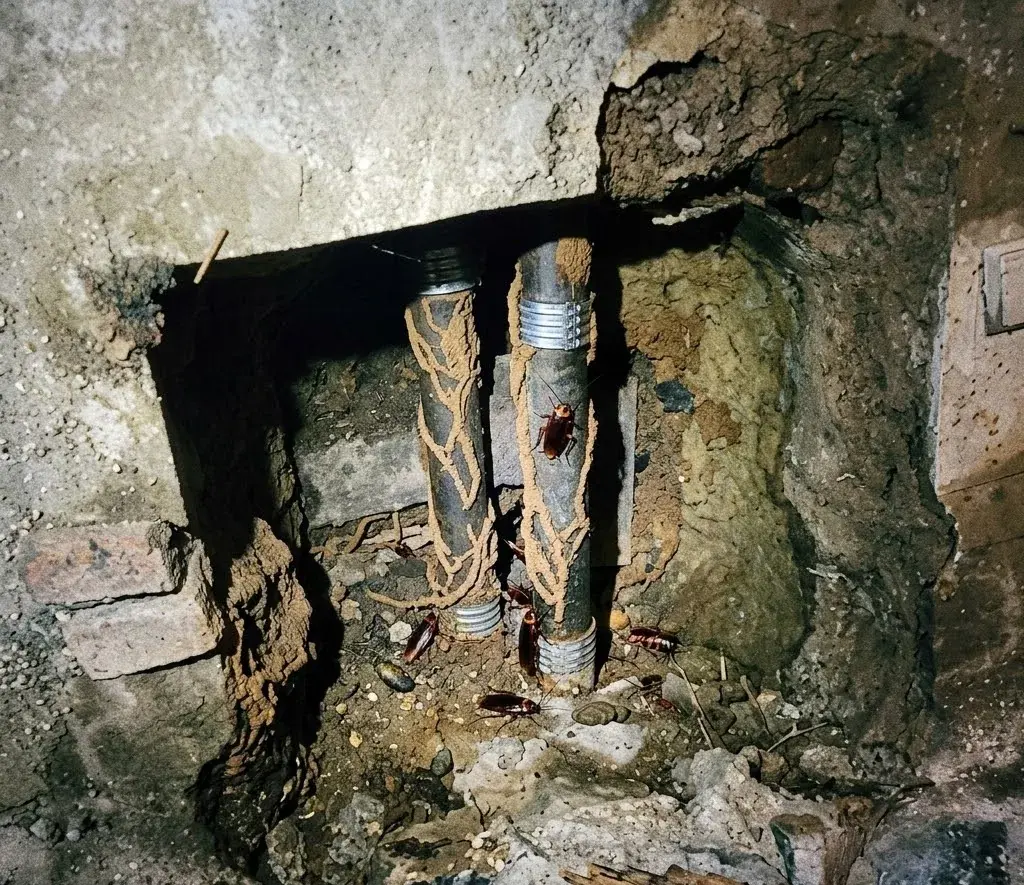
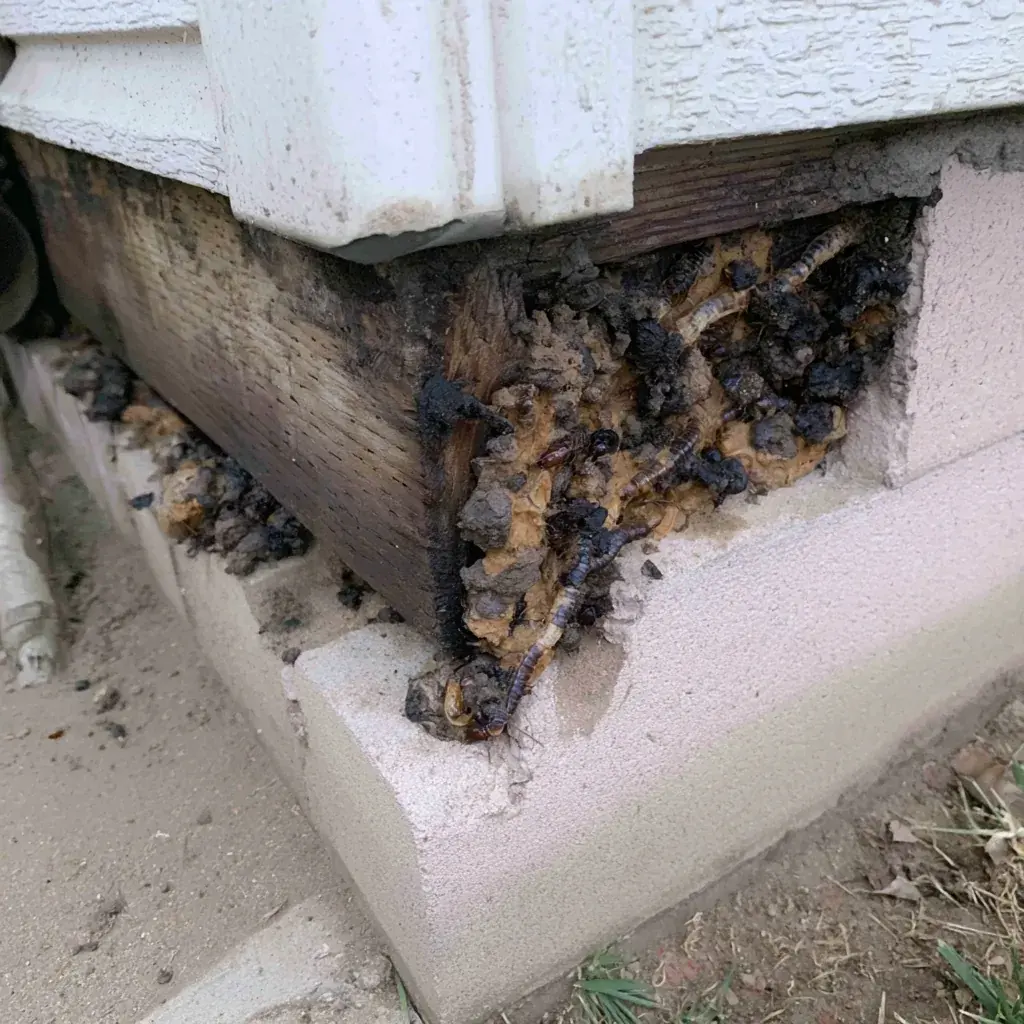
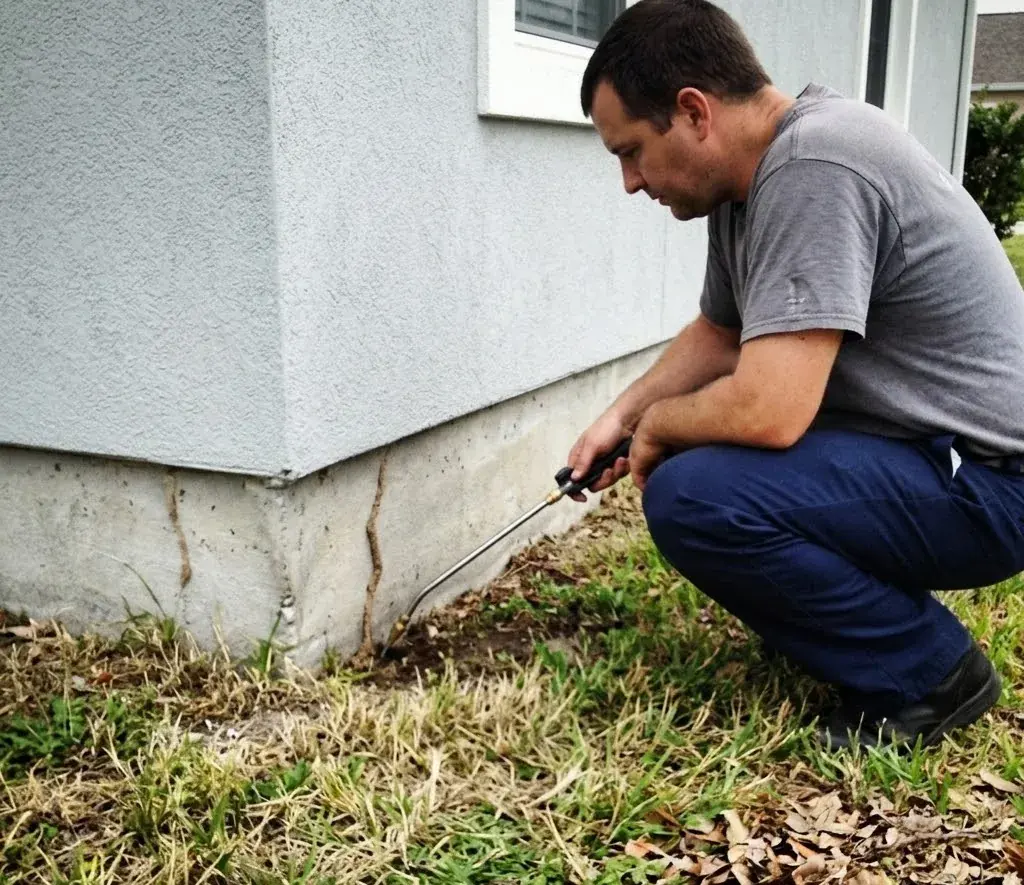
- Structural, and so usually the landlord: gaps at the sill plate, a crawl space with no ground cover down, a missing door sweep, a roof leak holding framing damp, termites.
- Shared or building-wide, and so usually the landlord: German cockroaches or bed bugs traveling between units, rodents inside a common wall, a dumpster parked too near a back door.
- Brought in or fed by whoever lives there, and so often the tenant: bed bugs traced back to secondhand furniture, food waste, a flea problem off a pet, or access blocked so badly nobody can work.
- Genuinely ambiguous: mice arriving in fall at an older single-family rental, ants after a wet week, mosquitoes breeding in a ditch nobody on the property has any control over.
Report it in writing, keep the copy, keep paying rent
Consumer guidance published for tenants by the state bar boils down to three habits, and all three are worth following even when you are entirely certain you are in the right. Report needed repairs in writing and keep your own copy. Do not damage the premises. Do not stop paying rent.
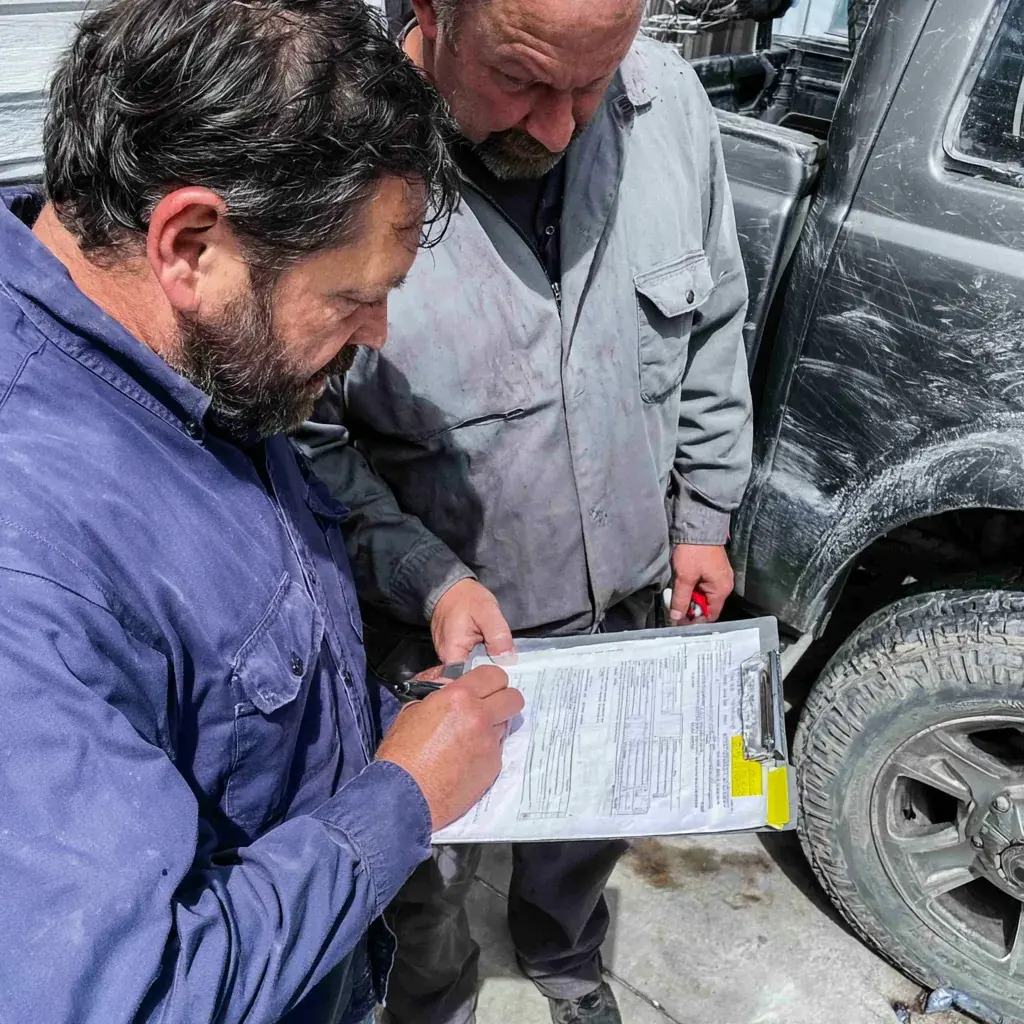
The written report is the habit that actually changes outcomes. A dated email carrying photographs and a plain description, sent to whoever the lease names for maintenance, creates the record. Text messages count for rather less than people assume, because they disappear along with the phone. And withholding rent is precisely where a tenant holding a legitimate complaint converts a maintenance dispute into an eviction, which makes it the worst available move even when it feels like the strongest one.
For owners, the cheap version is the dull version
For anybody owning units around Tallahassee, Bradfordville or Killearn Estates, the cheapest pest program going is exclusion backed by a written record. Door sweeps, screened crawl space vents, plumbing penetrations sealed under the sinks, vegetation cut back off the walls, and trash lids that actually close. Then a service history you can produce on request, showing what was found and on what date.
That record is what answers a habitability complaint in practice. Since the duty runs the length of the tenancy, what matters is not whether a problem ever happened but whether it got dealt with promptly and whether anybody can demonstrate as much. An empty inbox proves nothing in either direction.
Short-term rentals are a different arrangement
Part II of Chapter 83 was written about residential tenancies. Short-term and vacation rentals sit under a different arrangement entirely, and a house rented by the weekend to families in town for a home game is not automatically governed by the same duties as a twelve month lease three doors down. If that describes your situation, check it rather than assume, because the answer changes who is responsible for what.
Where to start once it is already a dispute
Work through these before anybody sends anything written in anger.
- Read the lease properly, specifically any pest, extermination or maintenance clause in it.
- Write down what is being seen, whereabouts, and since when, with dates and photographs attached.
- Send all of it to whoever the lease names, and keep a copy for yourself.
- Ask for an inspection rather than a treatment, since the finding generally settles the question of cause.
- Carry on paying rent while the whole thing gets sorted out.
An inspection ends it faster than a message thread
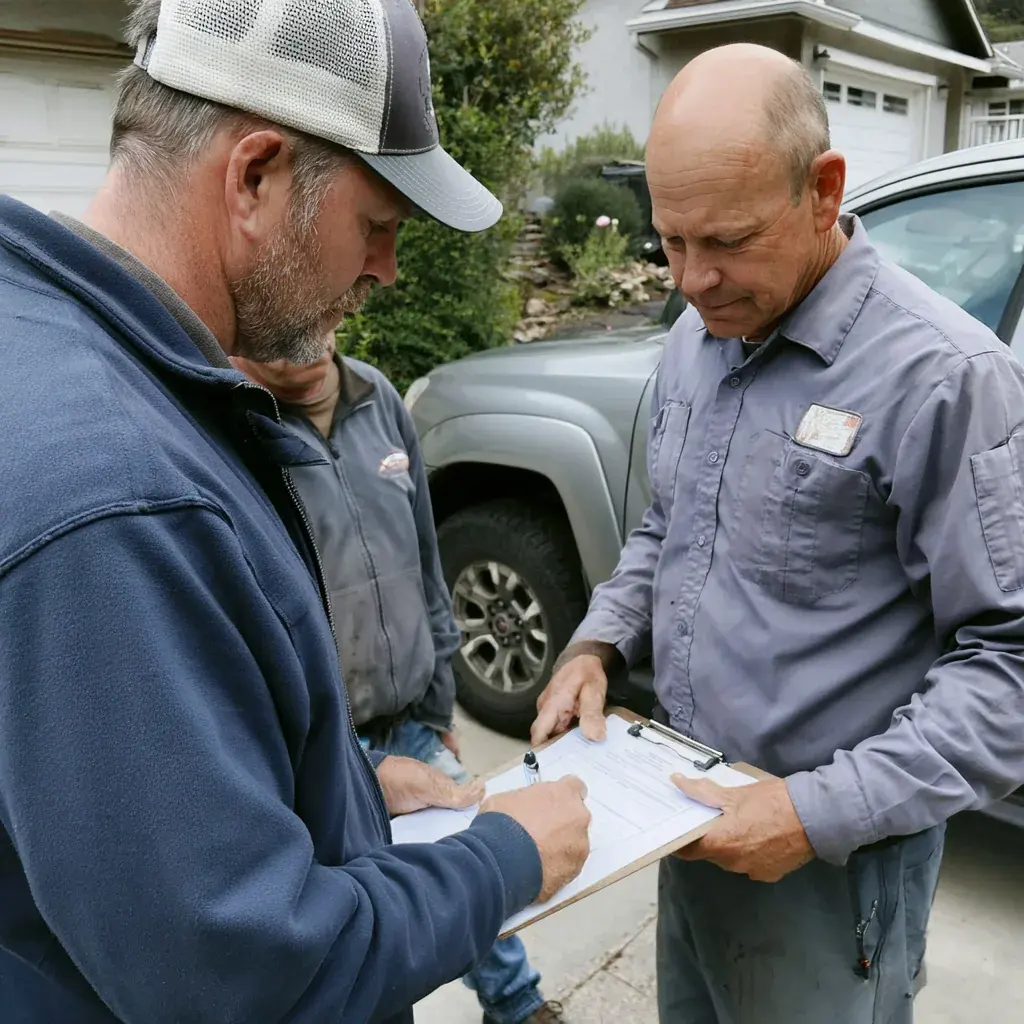
Where a dispute is heading somewhere formal, what you want is an attorney rather than a pest control article. What an inspection does is turn an argument about blame into a written finding about a building, which is a far smaller thing for two people to disagree over.
The licensed local pros we connect you with inspect rentals right across Leon County, Lake Jackson, Buck Lake and Ox Bottom included, and a report naming a gap at the sill plate or a leak beneath a bathroom floor tends to end the conversation faster than another round of texts.
Dealing with this in your home?
Bed bugs travel in luggage and boxes, not seasons, so Leon County calls do not slow down each winter the way ant and roach calls do. Semester turnover near Tallahassee Community College and the moving trucks along Tennessee Street give this city its own steady source of new introductions every August and January.